

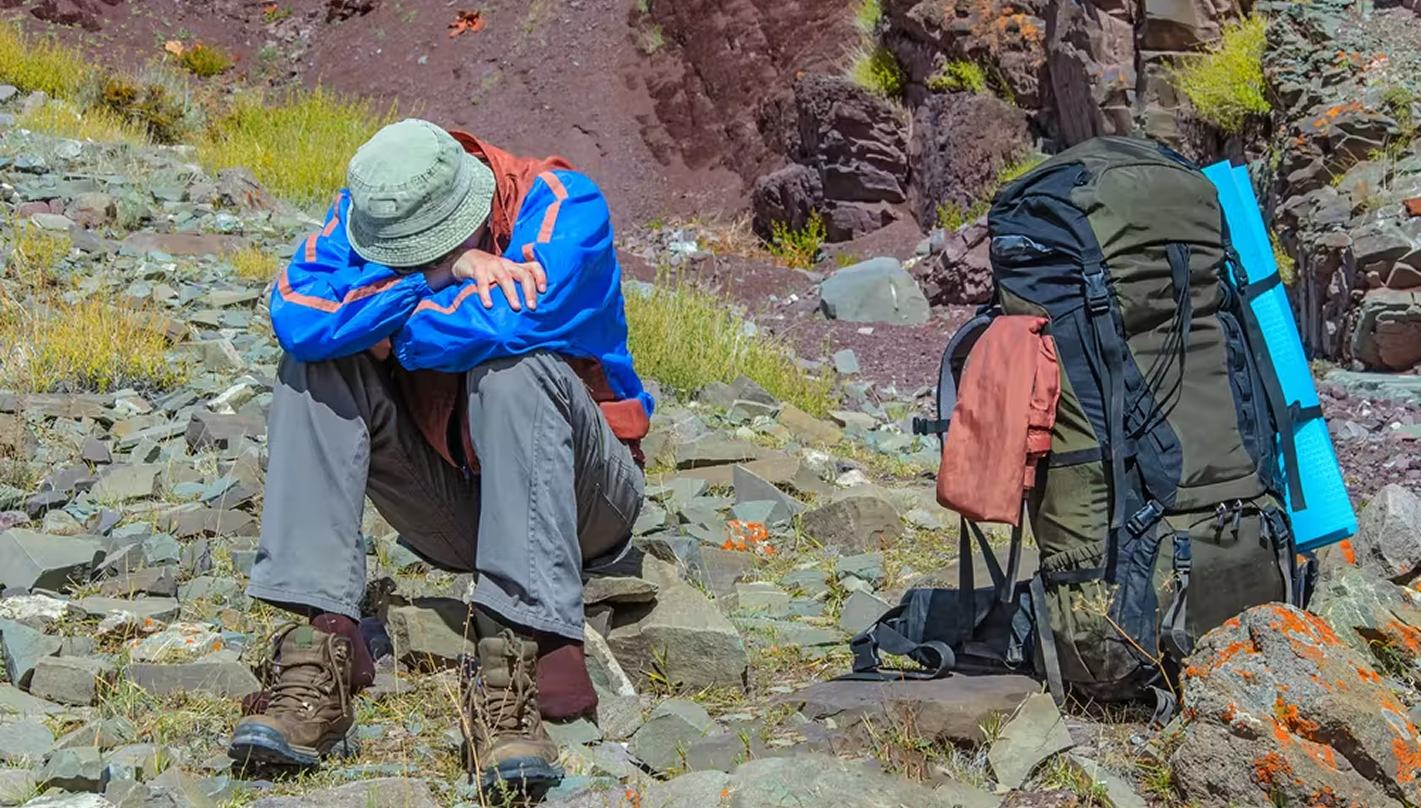

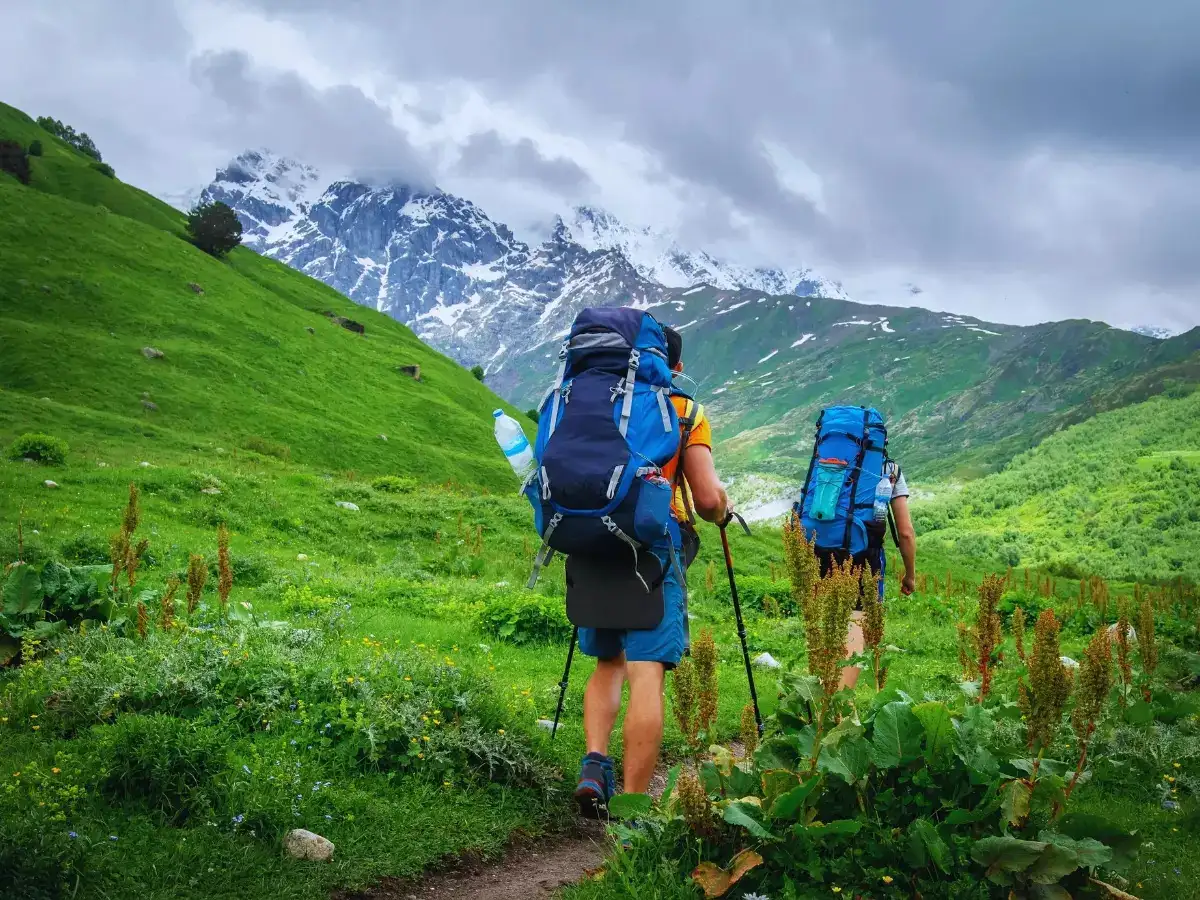
What Is Hiking?
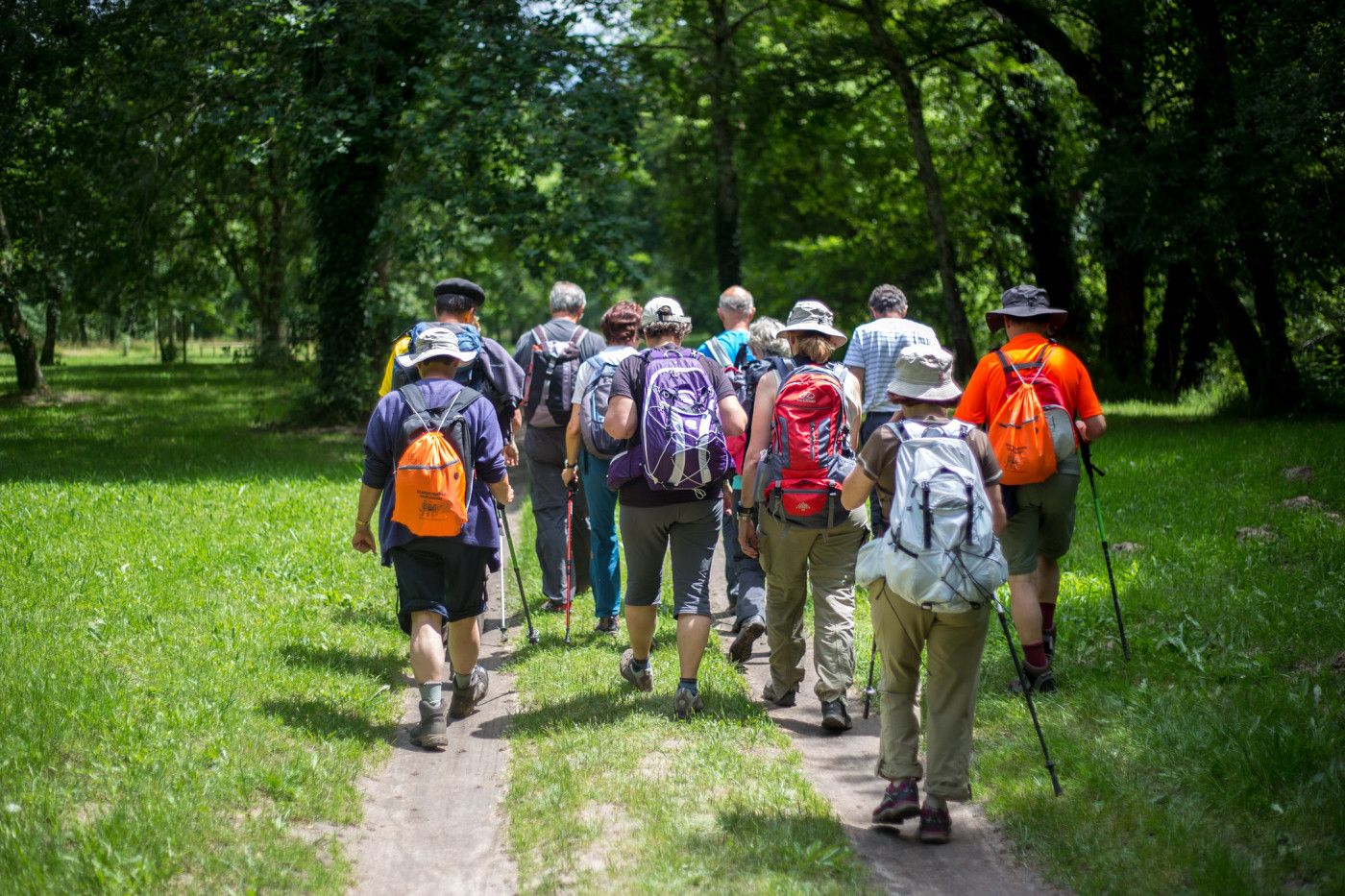
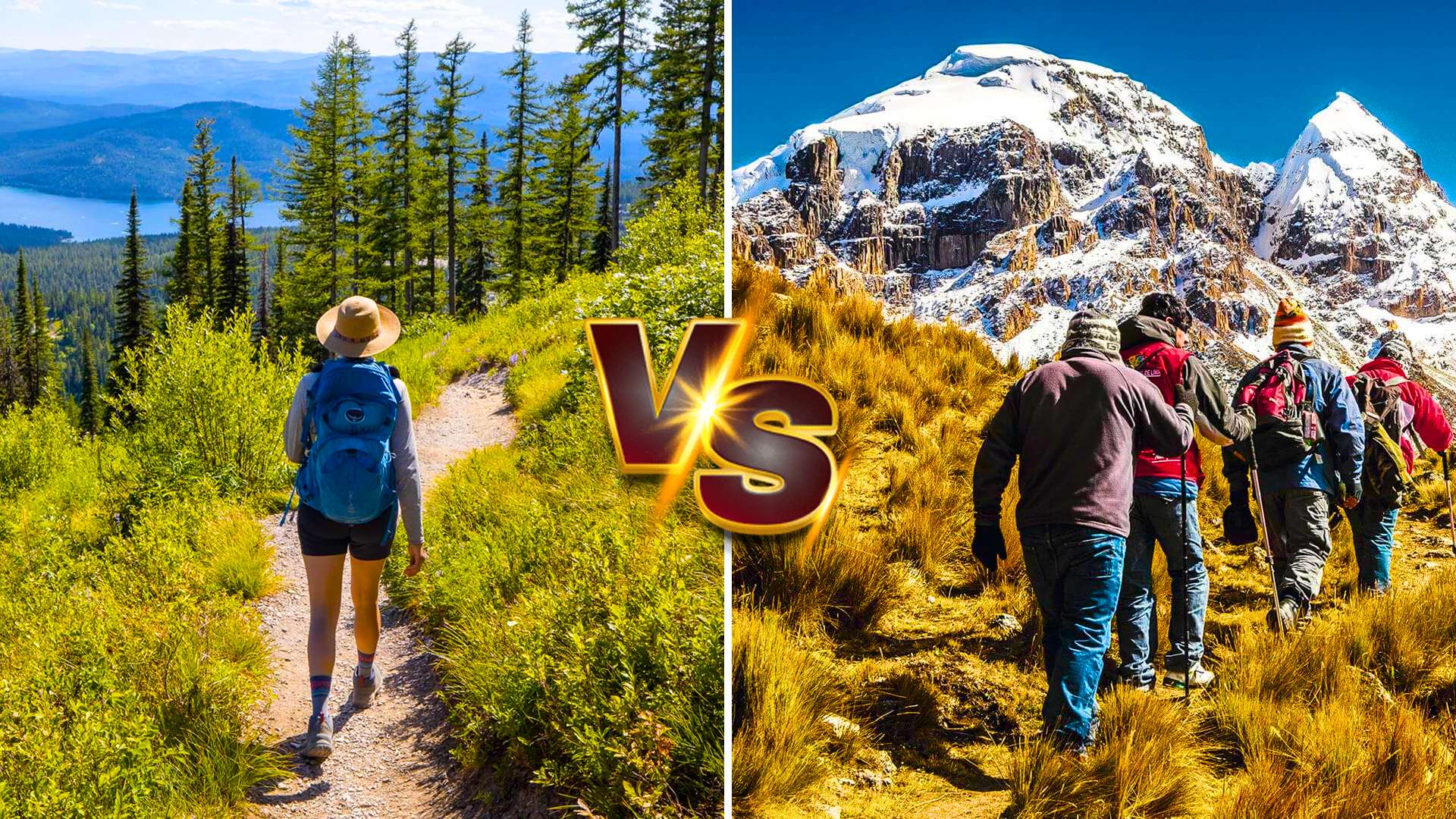
Hiking is the most accessible way to explore nature. It consists of walking along well-marked trails, usually of low or moderate difficulty, that can be completed in half a day, a full day, or at most two days.
🔹 Main features of Hiking:
- Distances of 3 to 15 km on day routes
- Low to moderate elevation gain
- Safe, well-marked routes
- Overnight at home or in lodges/hostels
- Requires little specialized gear
It’s ideal for those seeking a recreational, low-cost activity with minimal risk. A perfect example would be a walk around the Sacred Valley of the Incas in Cusco or the trails of Huascarán National Park.
What Is Trekking?
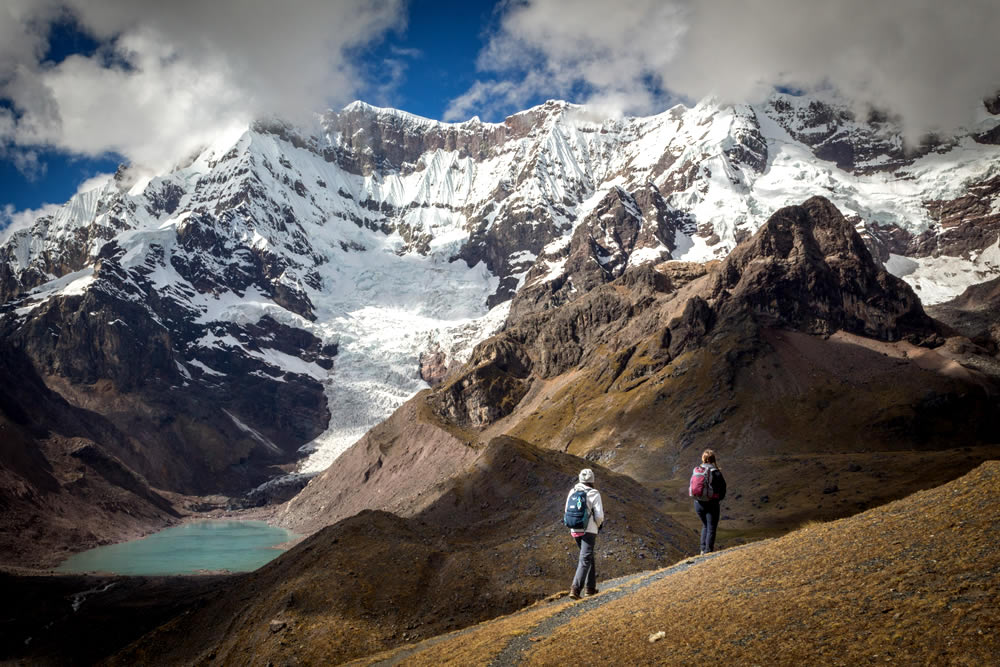
Trekking goes a step further. It’s a more demanding, longer experience that can last from two days to several weeks, crossing remote and less accessible environments.
🔹 Main features of Trekking:
- Long distances: over 50 km spread across several days
- Significant elevation gain and altitude (in the Andes, > 3,000 m a.s.l.)
- Poorly marked paths or no defined trail
- Requires camping or basic mountain huts
- Demands physical preparation and specialized gear
🏔️ Notable Trekking Examples:
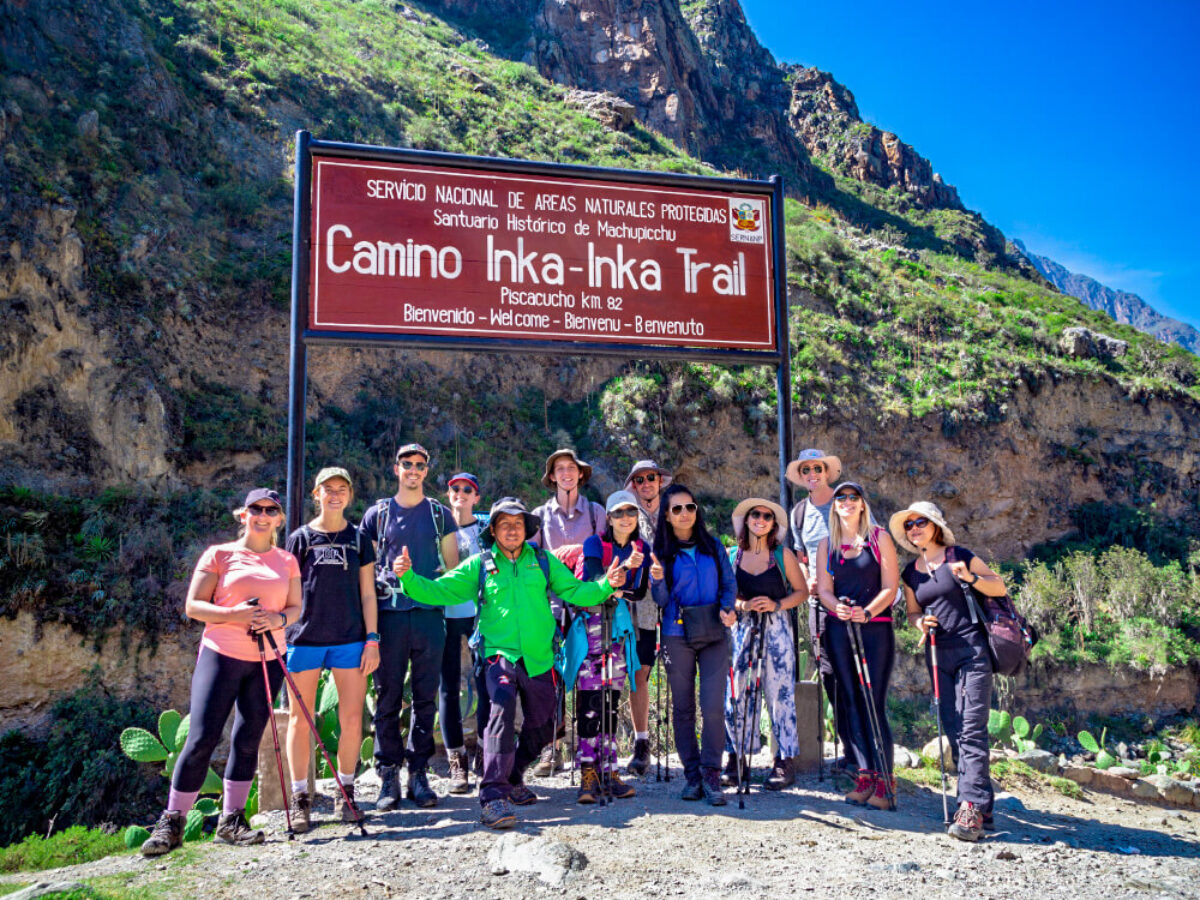
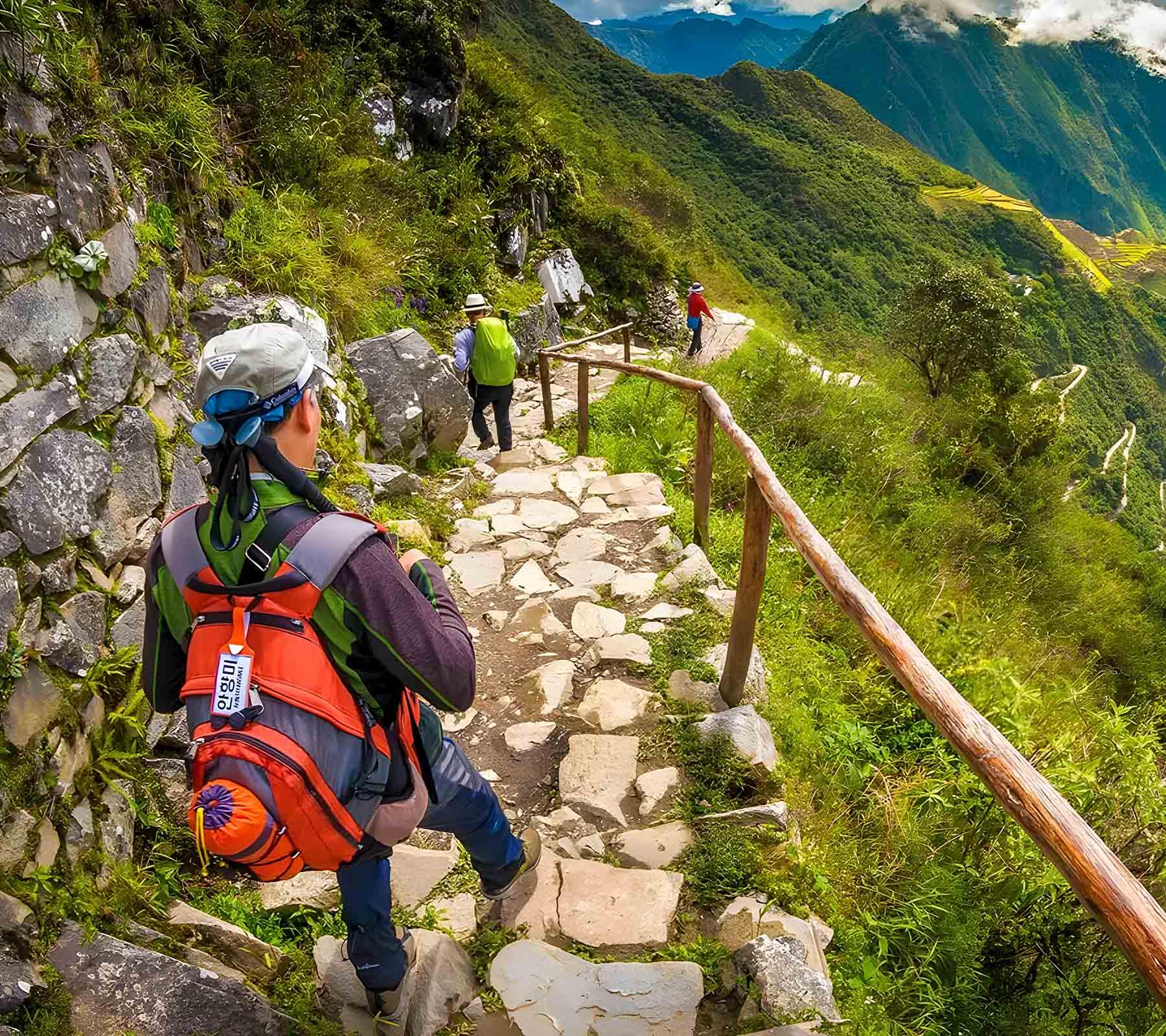
- Inca Trail to Machu Picchu: 4 days – 43 km
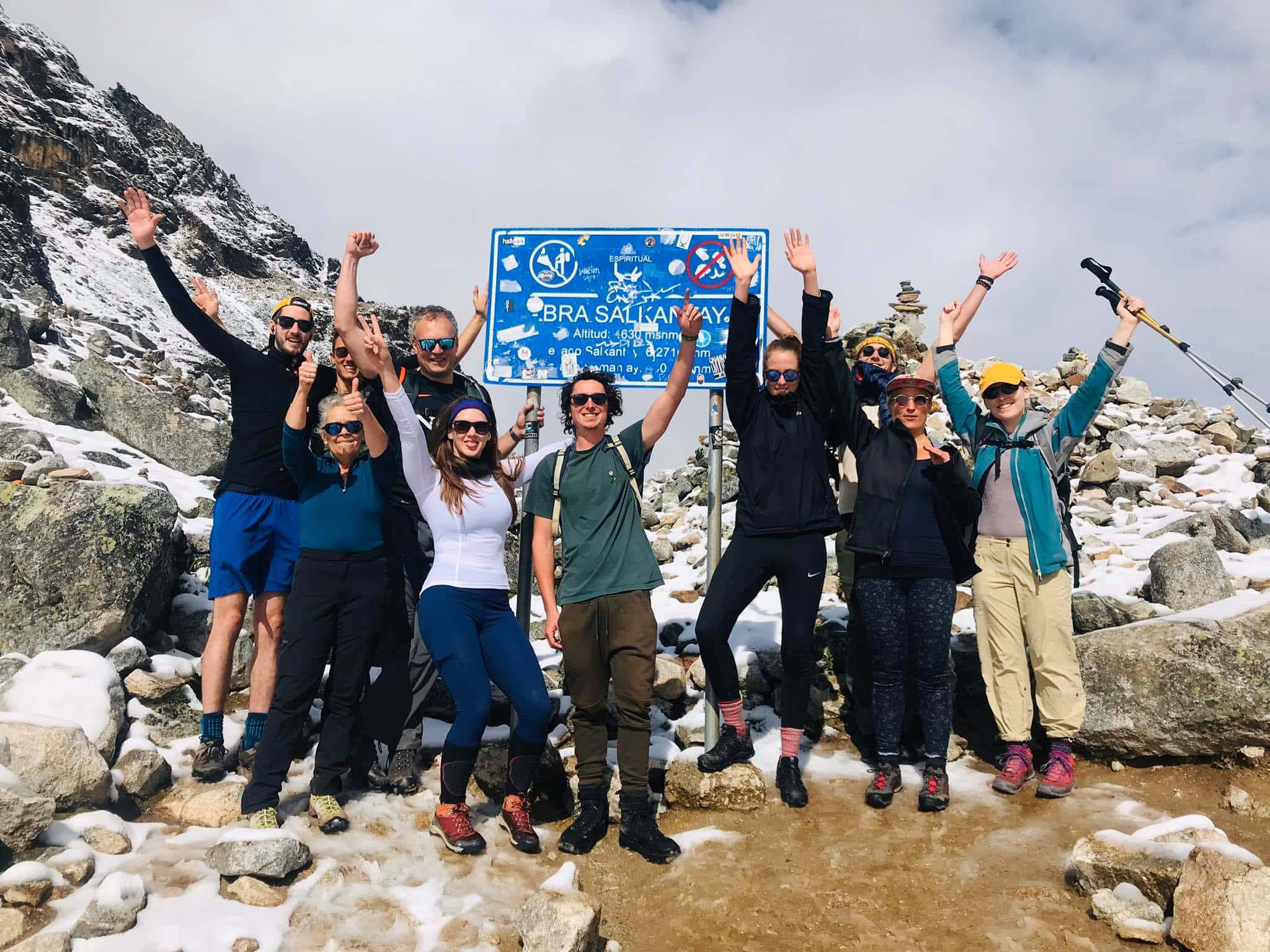
- Salkantay Trek: 5 days – 72 km
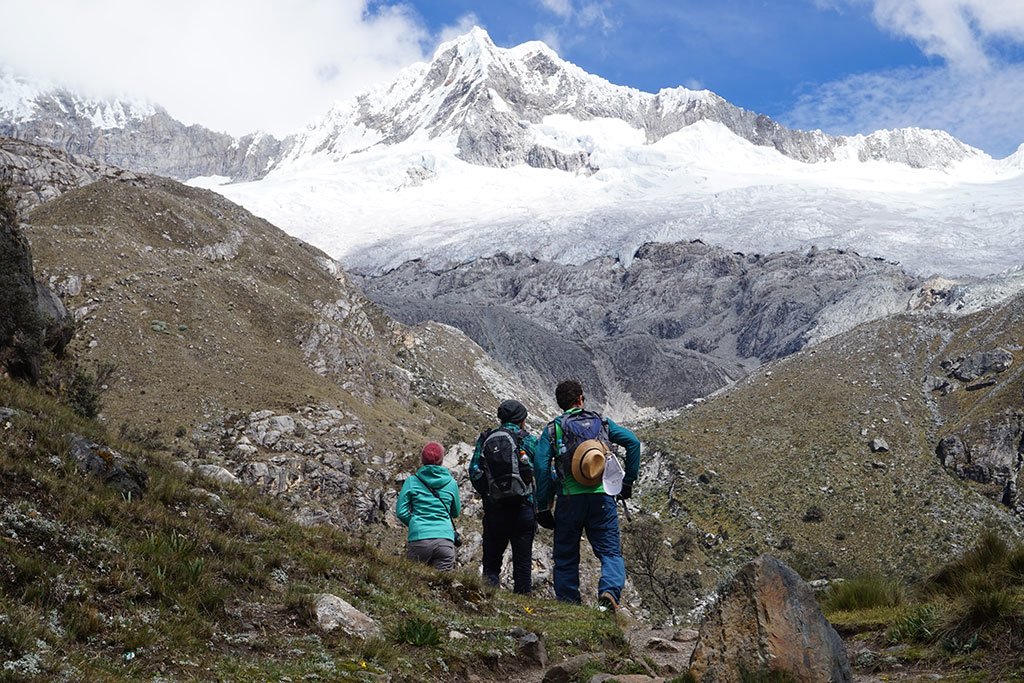
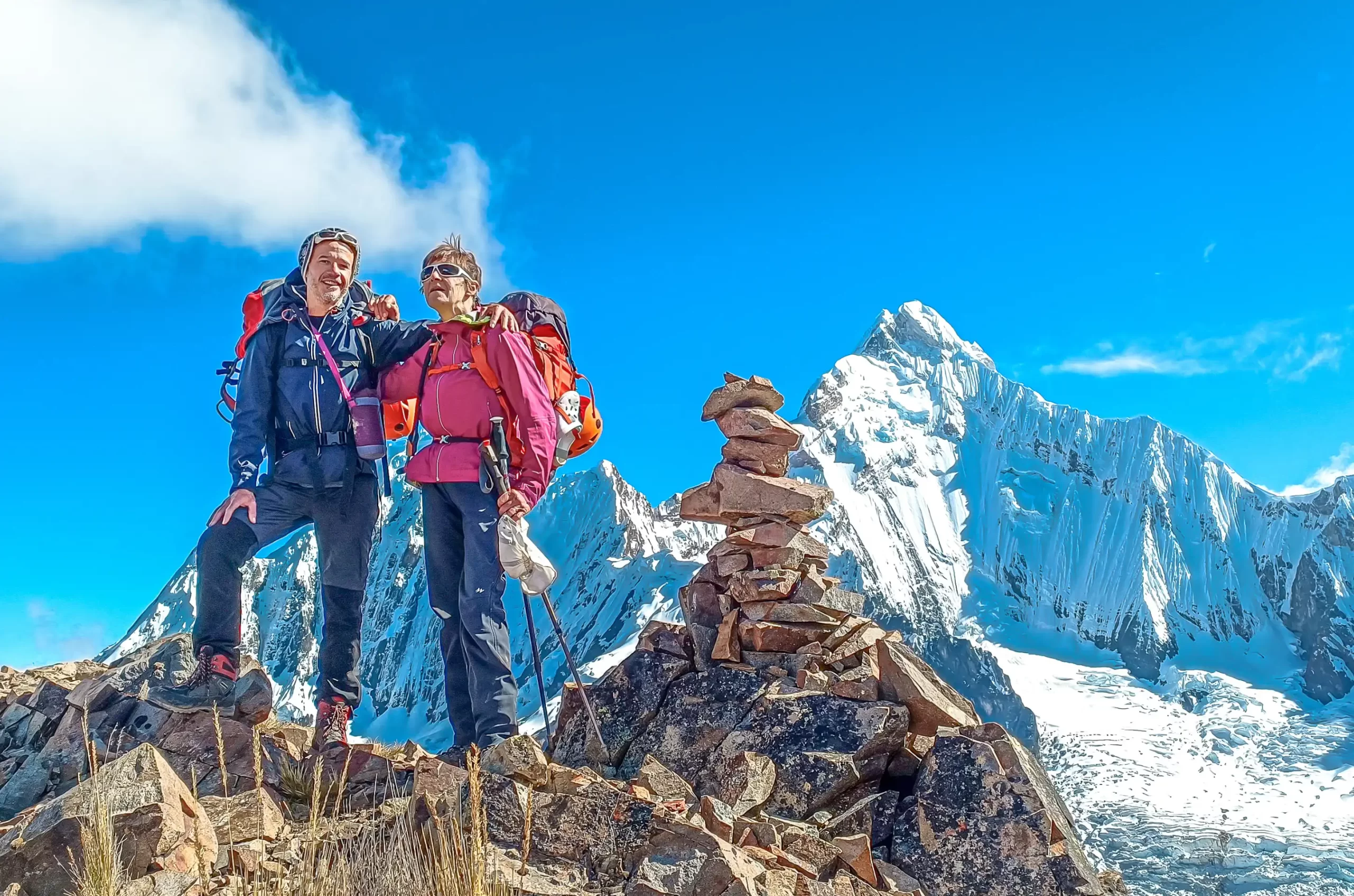
- Cordillera Blanca: Multiple routes of 3–12 days
- Ausangate Trek: 6 days – 80 km
Trekking is not only a physical challenge; it’s also a cultural and spiritual immersion—living with local communities, facing changing weather, and experiencing nature in its purest state.
Hiking vs Trekking: Detailed Comparison
| Aspect | Hiking | Trekking |
|---|---|---|
| Duration | 2–10 hours or up to 2 days | 2 days to several weeks |
| Load | Backpack of 5–10 kg | Backpack of 12–25 kg or porter |
| Accommodation | Home, lodge, or nearby campsite | Tents, basic huts, or tea houses |
| Terrain | Marked trails, low altitude | Rugged areas, glaciers, high passes |
| Skill required | Basic map reading | Advanced navigation, acclimatization, first aid |
| Budget | Economical, low cost | Higher investment (guides, permits, technical gear) |
| Goal | Recreation, light exercise | Adventure, deep connection with nature |
Key Differences in the Experience
⏰ Available time
Hiking: Perfect for weekend getaways
Trekking: Requires longer vacations and detailed planning
💪 Fitness level
Hiking: Basic fitness
Trekking: Progressive training, endurance, and high-altitude acclimatization
💰 Budget
Hiking: Affordable, minimal gear
Trekking: Guides, permits, and technical equipment raise costs
🌍 Cultural experience
Hiking: Scenic enjoyment and relaxation
Trekking: Immersion in communities, ancestral routes, and natural challenges
Essential Gear
🥾 For Hiking
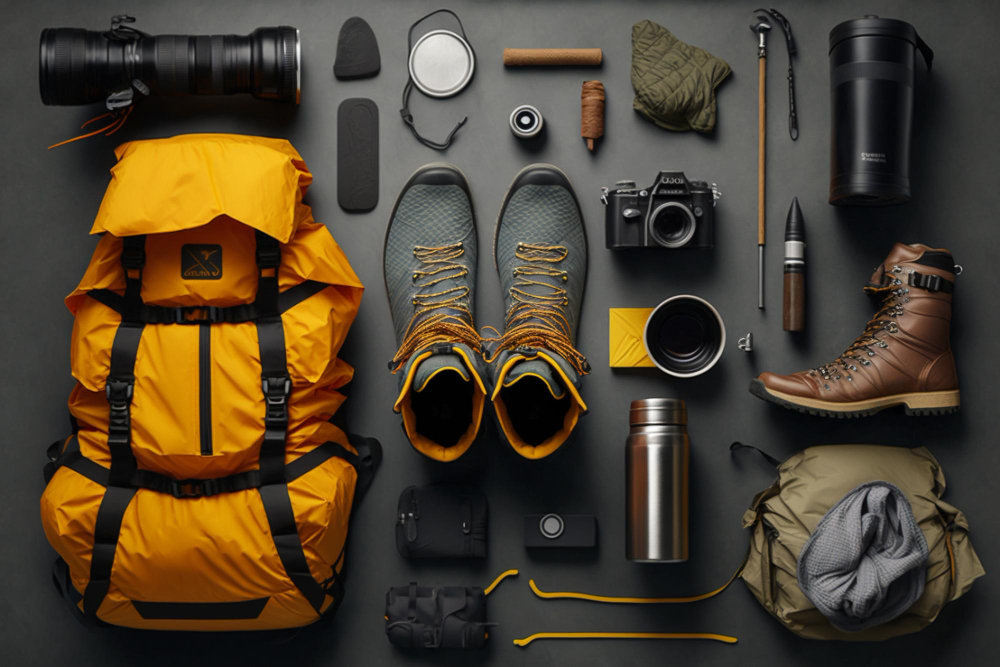
- Light, breathable hiking shoes
- 15–30 L backpack
- Water and energy snacks
- Headlamp or flashlight
- Basic first aid kit
- Sunscreen and cap
- Comfortable layered clothing
⛰️ For Trekking
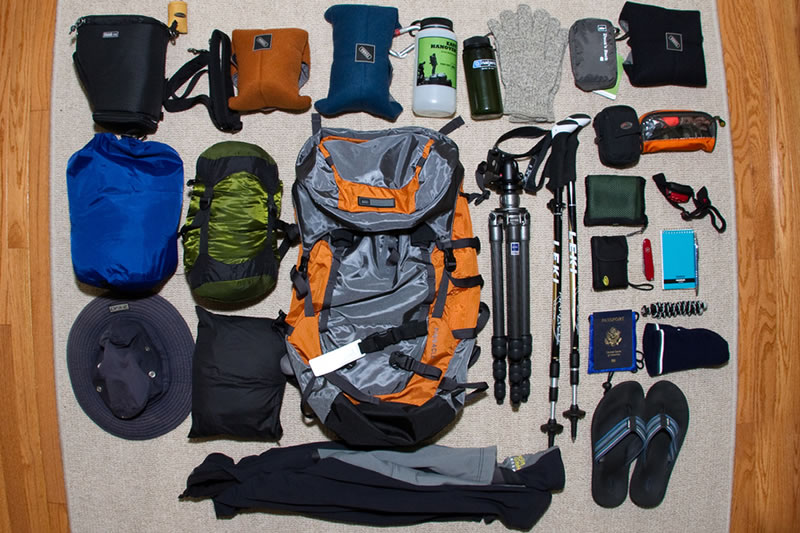
- High-cut, waterproof boots
- 50–70 L backpack with lumbar support
- Sleeping bag and tent
- Portable stove and cook kit
- Pair of trekking poles
- Technical layered clothing
- Comprehensive first aid kit
- Water purification tablets
💡 Recommended layering system:
- Base: Technical T-shirt (no cotton)
- Mid: Fleece or light jacket
- Outer: Windbreaker or rain shell
- Extras: Technical socks, gloves, neck gaiter
Family Adventures: With Kids
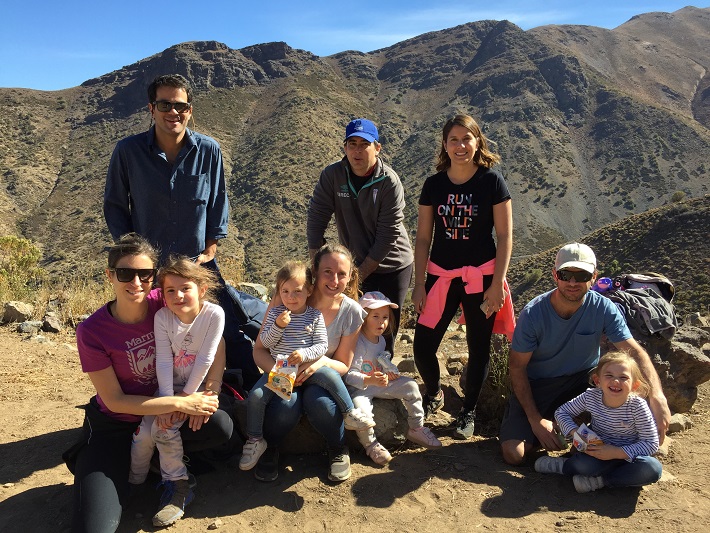
🚶 Hiking with kids
- Short, flat routes (max 5 km)
- Fun trails with natural attractions
- All-terrain strollers with suspension
- Frequent stops for games
🏔️ Trekking with kids
- Baby carriers with lumbar support
- Easy routes in good weather
- Extra safety planning
- Educational nature activities
🌟 The key is to keep it fun and safe. Kids can enjoy both hiking and trekking when adapted to their age.
Safety and Environmental Impact

🚨 Safety Measures
- Always share your route with someone you trust
- Carry GPS, updated maps, and power banks
- First aid kit and basic knowledge
- Satellite communication in areas without coverage
- On technical routes (e.g., Inca Trail), hire certified local guides
🌱 Environmental Responsibility
- Stay on trails to avoid erosion
- Apply the “Leave No Trace” principle
- Use reusable containers
- Respect local flora and fauna
- Do not step off established paths
Health Benefits
Both hiking and trekking offer important physical and mental benefits:
🌟 Trekking also builds physical and mental resilience by facing prolonged challenges in natural environments.
Frequently Asked Questions
Is trekking harder than hiking?
Yes, due to the longer duration, pack weight, altitude, and more demanding terrain.
Can beginners go trekking?
Yes, as long as they choose short routes and go with experienced guides. It’s advisable to start with hiking to build fitness.
Are trekking poles necessary?
Hiking: Optional but useful on long routes or with elevation changes.
Trekking: Highly recommended for stability and to reduce knee impact.
When is the best time to trek in the Andes?
The dry season (May–September) is ideal, with less rain and clear skies. Avoid the rainy season (December–March).
Do I need special permits?
For some routes like the Inca Trail, yes. You must book in advance with authorized agencies.
Recommended Destinations in Peru
🥾 For Hiking
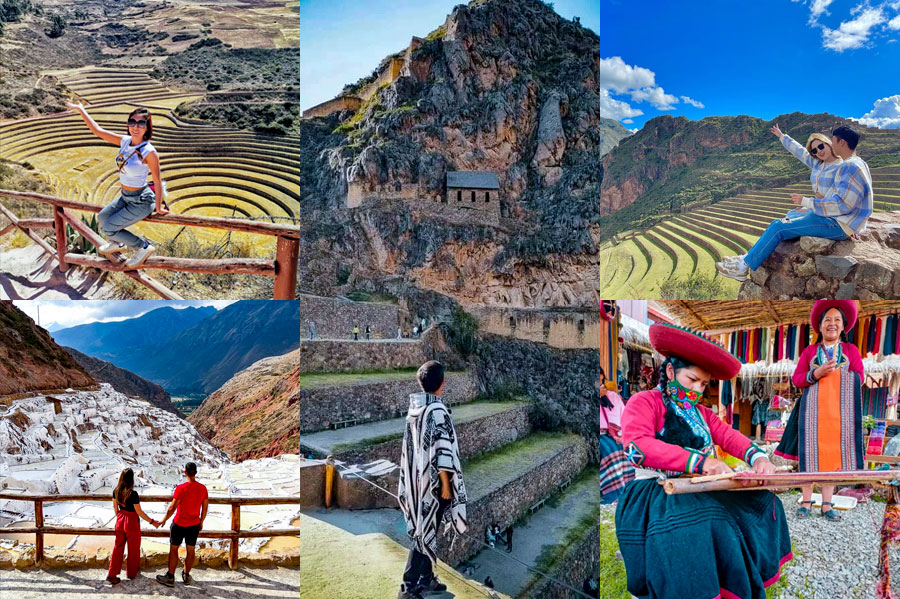
Sacred Valley
- Pisaq – Ollantaytambo
- Maras Salt Ponds
- Moray (circular terraces)
Cusco and surroundings
- Sacsayhuamán – Cristo Blanco
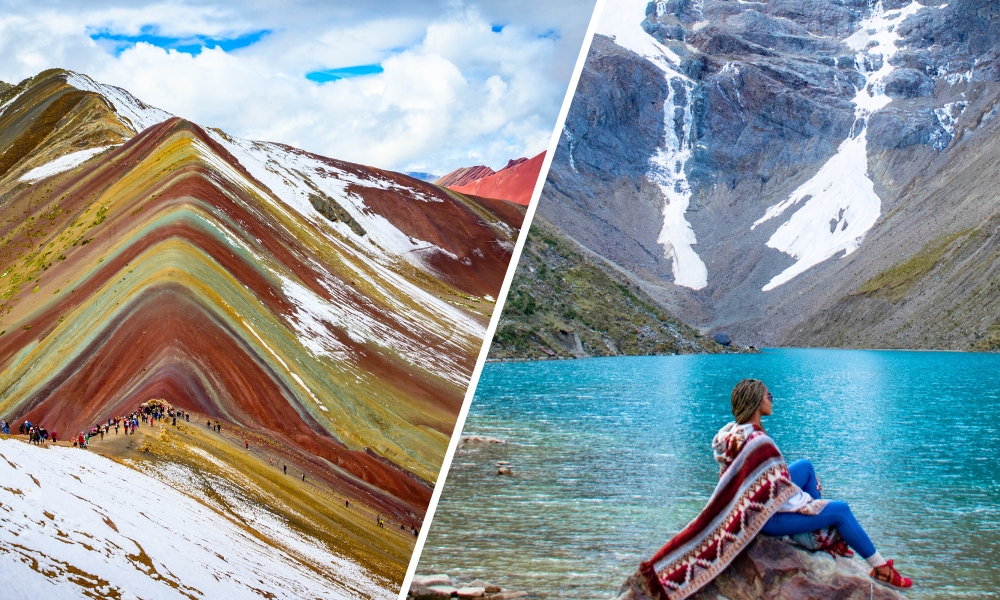
- Humantay Lake (full day)
- Rainbow Mountain (full day)
⛰️ For Trekking
Classic Routes
- Inca Trail: 4 days to Machu Picchu
- Salkantay: 5 days – Inca Trail alternative
- Choquequirao: 7 days – the “lost Machu Picchu”
Mountain Ranges
- Cordillera Blanca: Huascarán, Santa Cruz
- Ausangate: 6-day circuit around the snow-capped peak
- Cordillera Huayhuash: 10–12 days
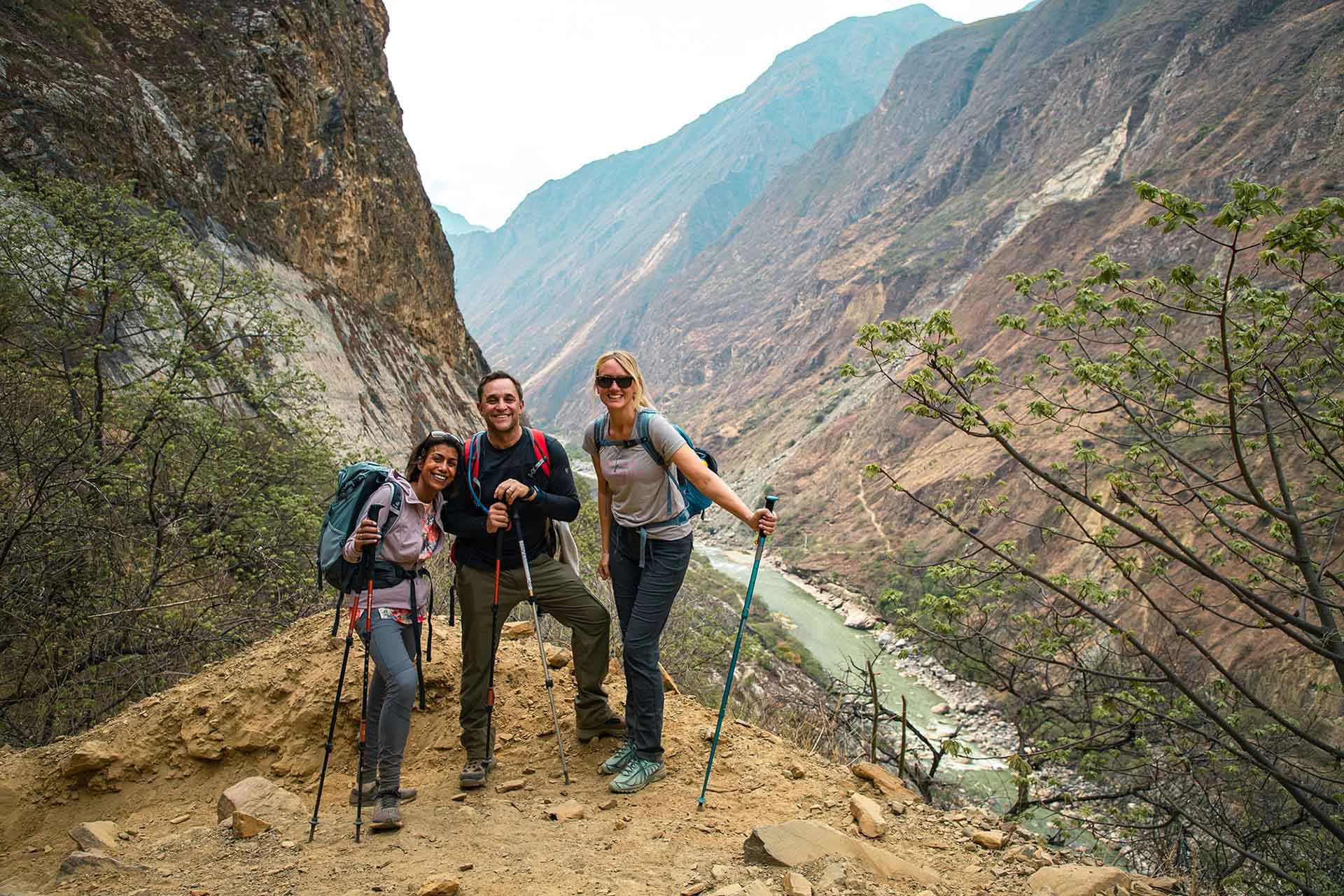
Practical Tips for Your Adventure
🏃♂️ Physical preparation
For Hiking: Walk 30–45 minutes, 3 times per week. Include hills and stairs.
For Trekking: Train 2–3 months in advance. Combine cardio, strength, and long walks with a loaded backpack.
🍎 Food and hydration
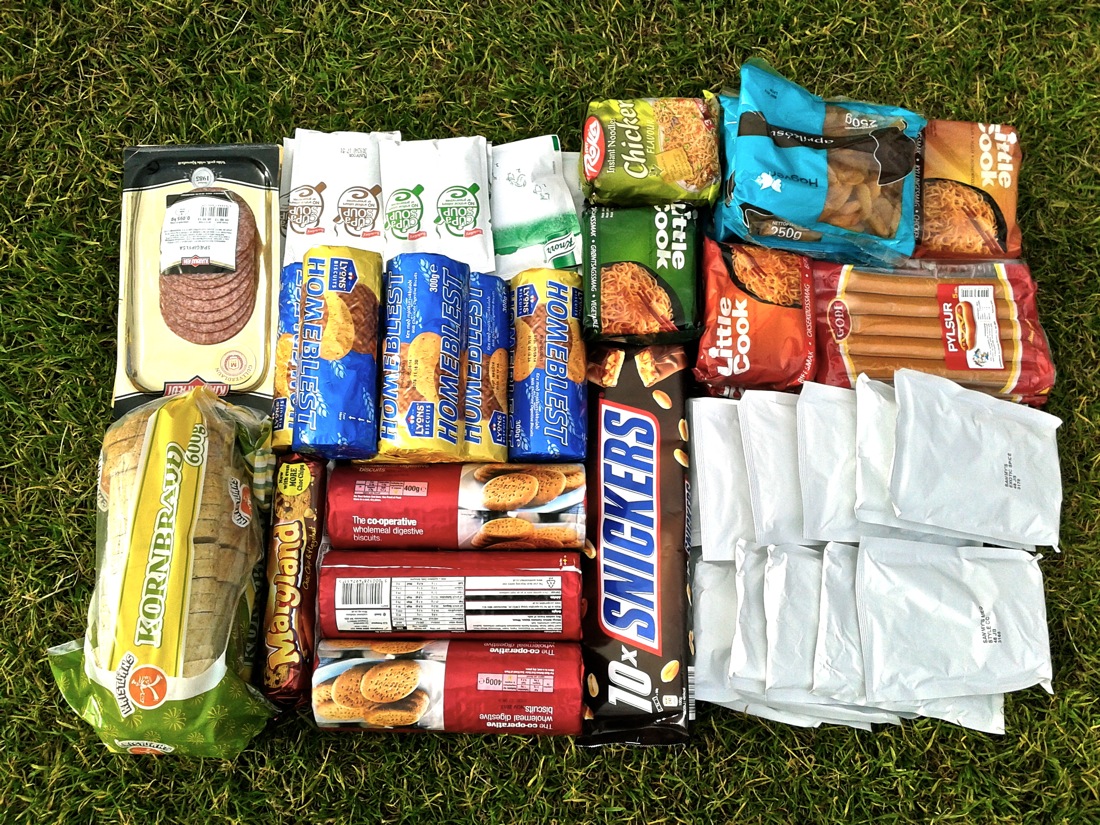
- Hiking: 1–2 liters of water, dried fruit, energy bars
- Trekking: 3–4 liters per day, freeze-dried meals, supplements
- Avoid alcohol 24h before high-altitude activities
- Complex carbs the night before
🌡️ High-altitude acclimatization
Important in the Andes: Arrive in Cusco (3,400 m) 2–3 days before trekking. Drink coca tea, stay hydrated, and avoid strenuous efforts on day one.
📱 Useful technology
- Recommended apps: AllTrails, Maps.me, Gaia GPS
- Devices: Garmin GPS, solar chargers
- Communication: Satellite devices in remote areas
Your Adventure Is Waiting
More than choosing between hiking or trekking, the key is to tailor the experience to your skills, time, and aspirations. Start with short routes, invest in good gear, and progress step by step toward longer adventures.
Remember: the goal isn’t just to arrive—it’s to enjoy every kilometer of the journey and respect the nature that hosts us.
🌱 “On every trail there’s a lesson, on every summit a reward, and in every step a chance to connect with nature and yourself.”