


What does Pallay Punchu mean?
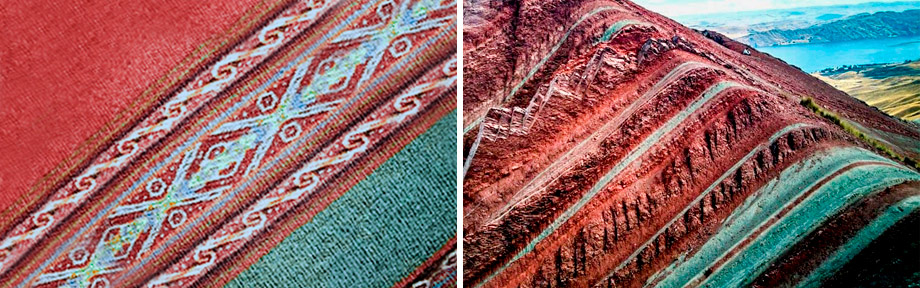
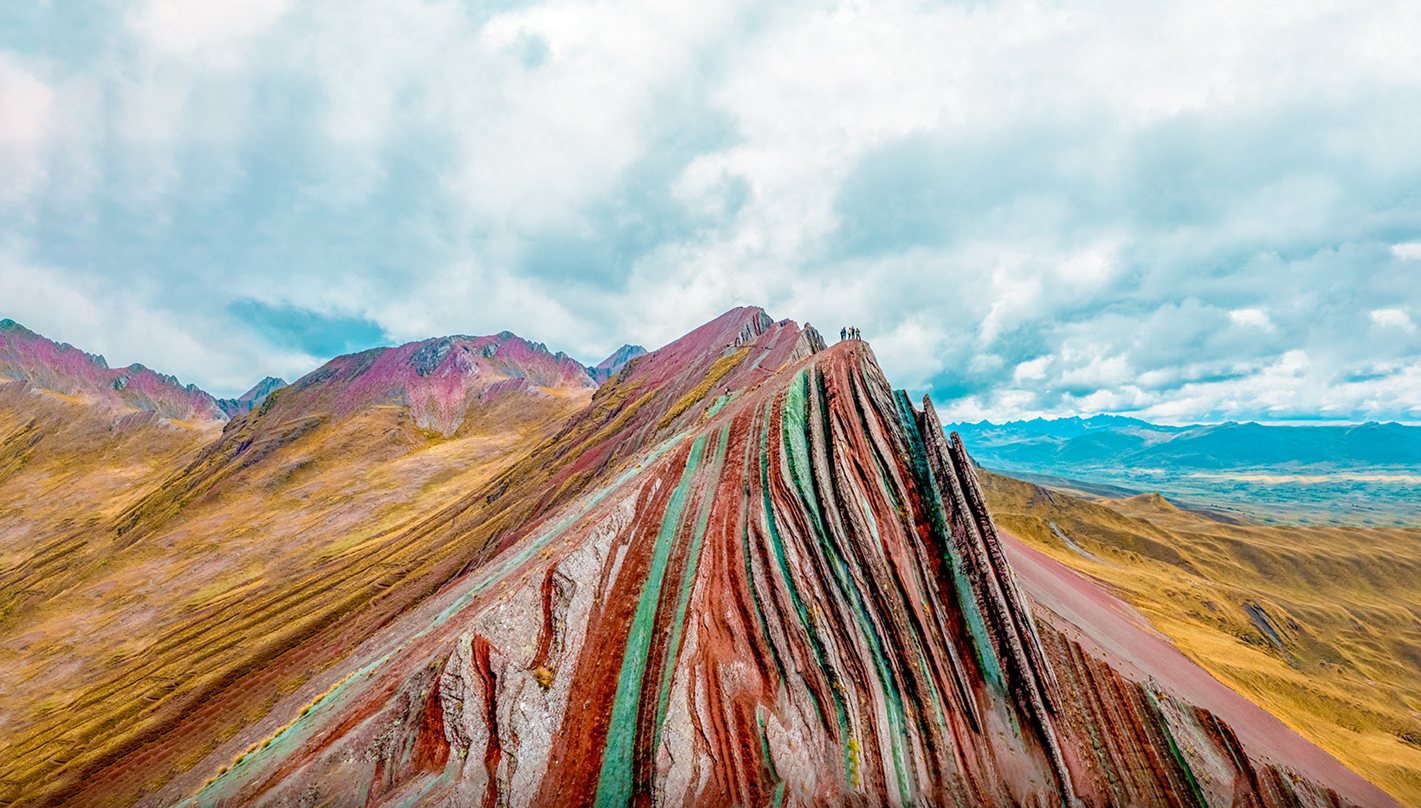
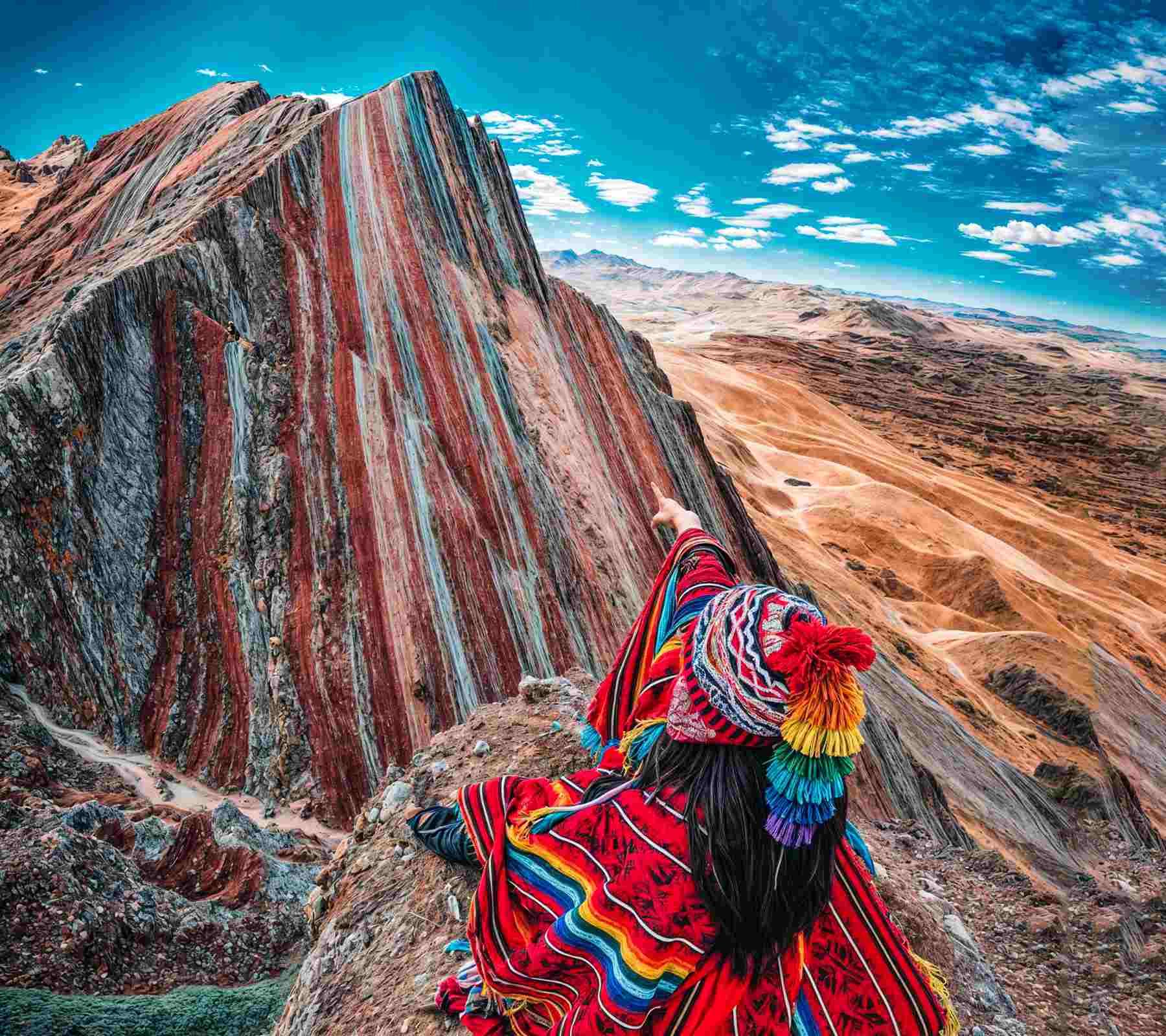
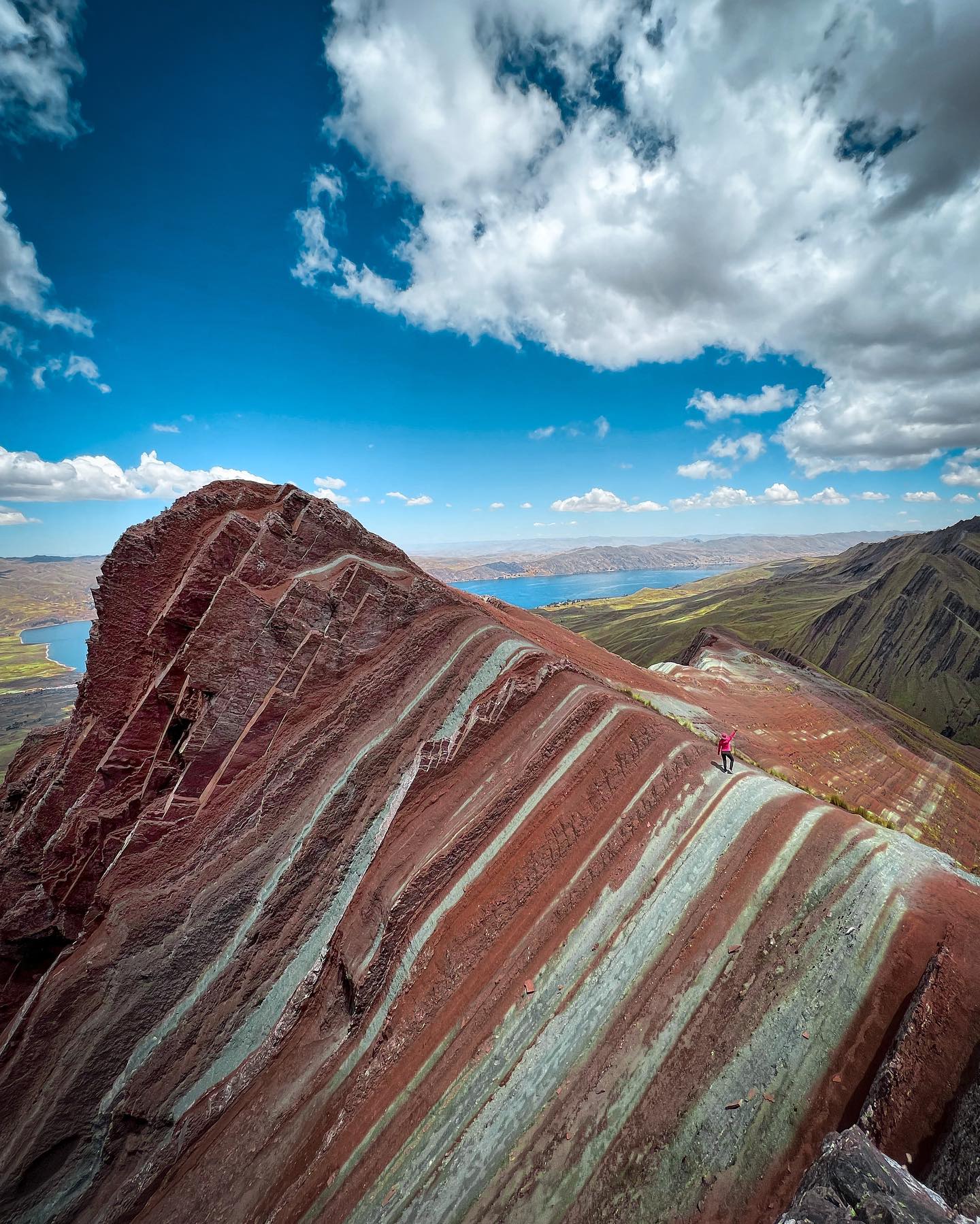
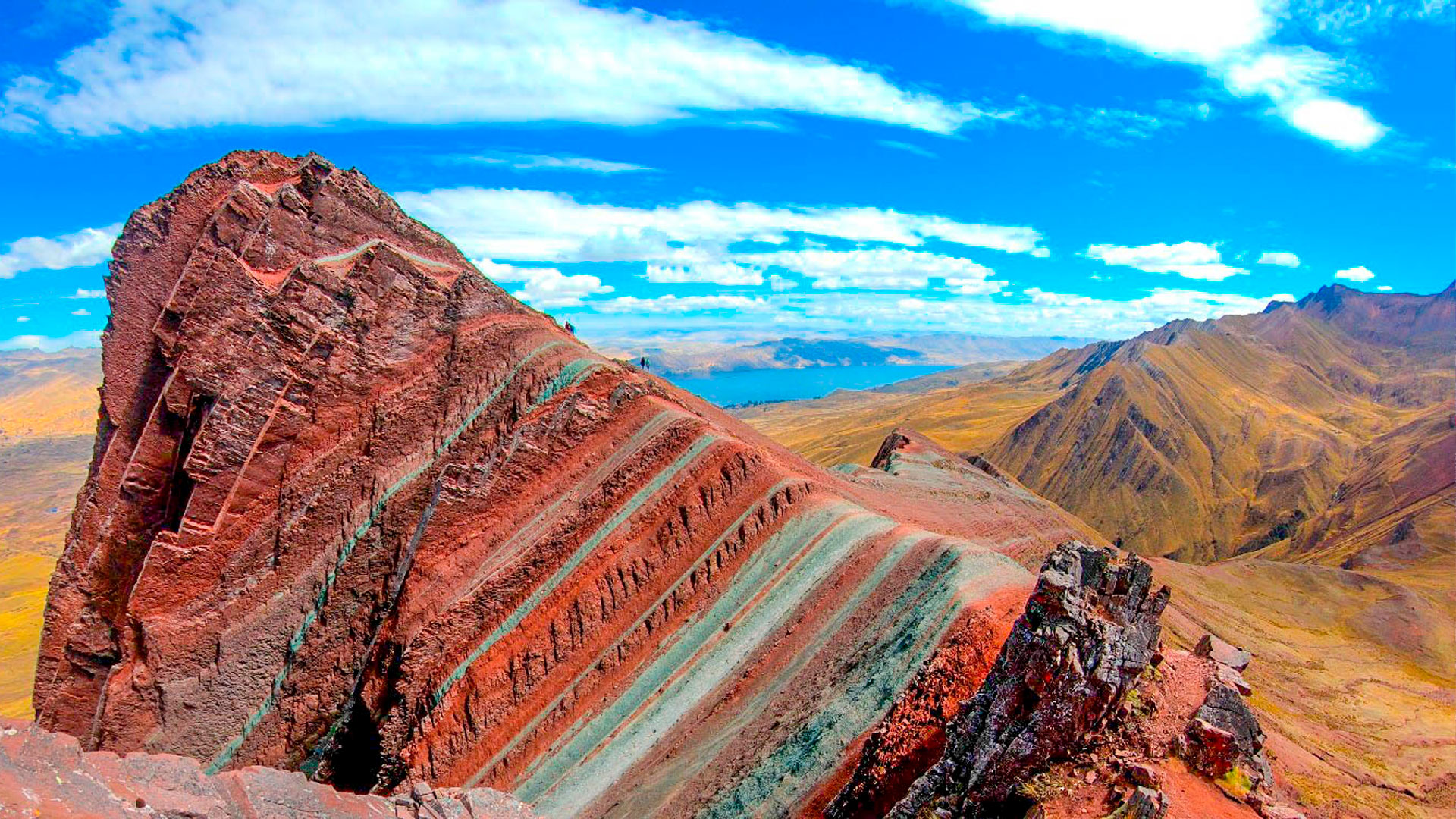
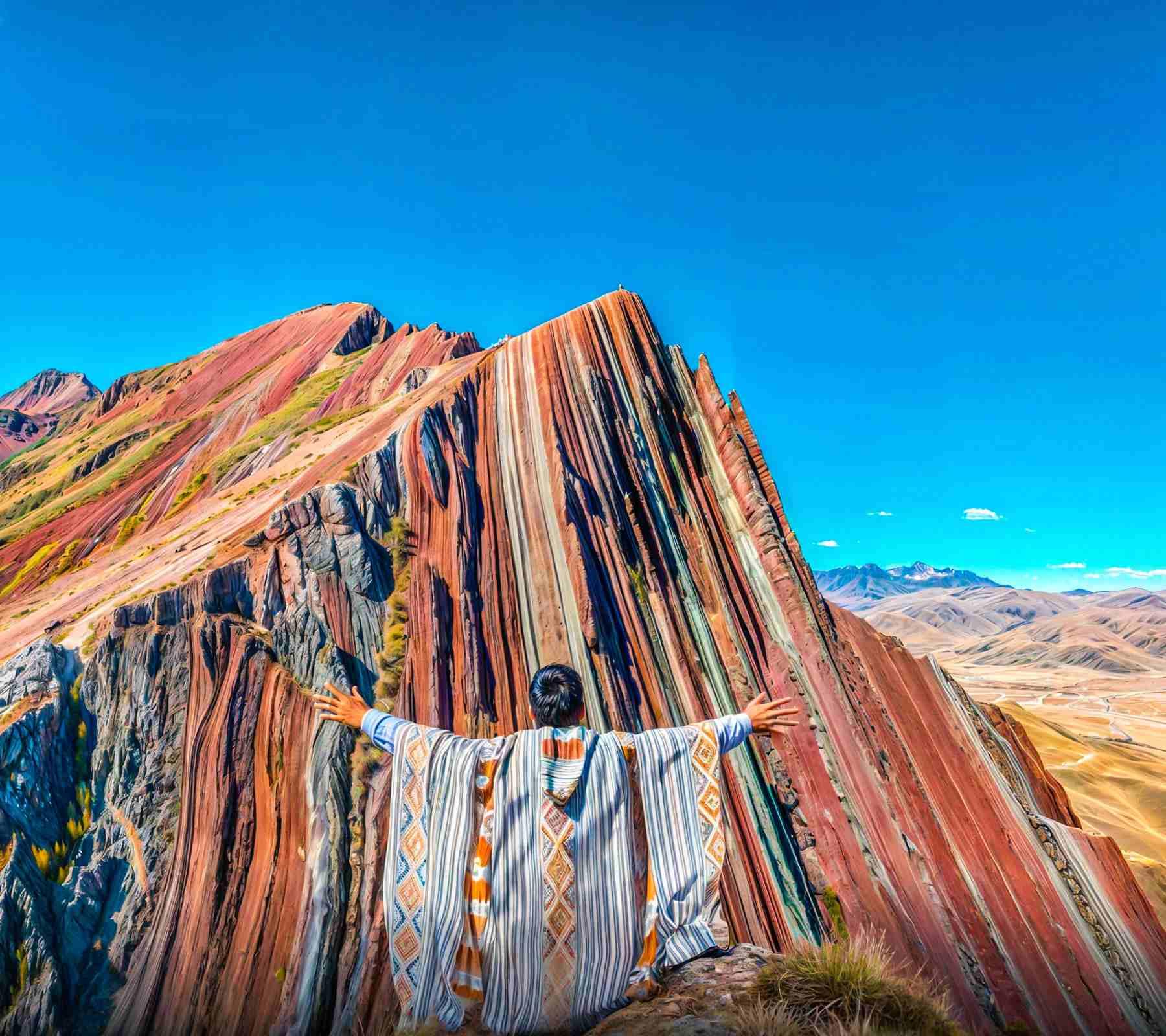
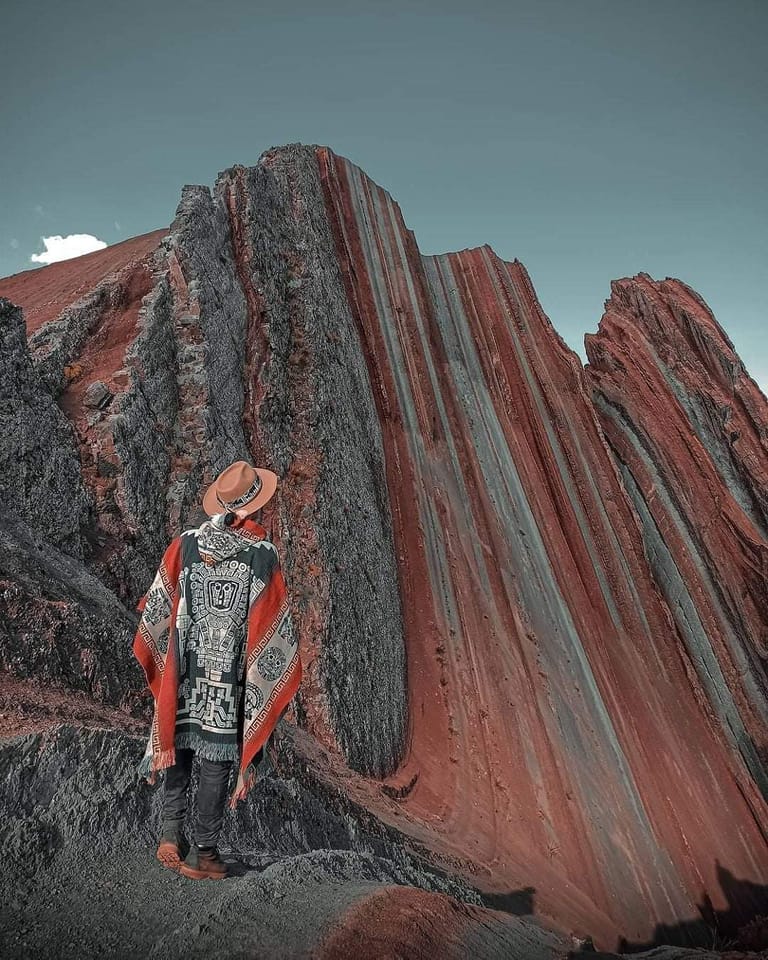
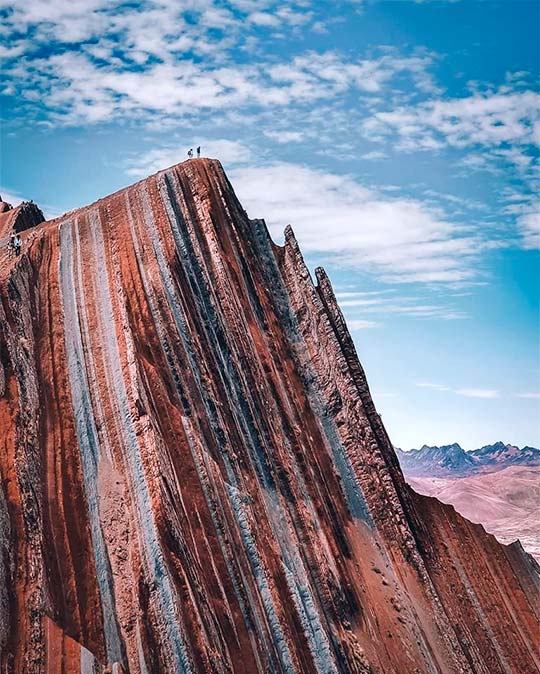
In Quechua, "Pallay Punchu" translates as "adorned poncho." This name perfectly describes the landscape you’ll see: pointed slopes covered by multicolored stripes, as if the mountain had been woven with Andean threads.
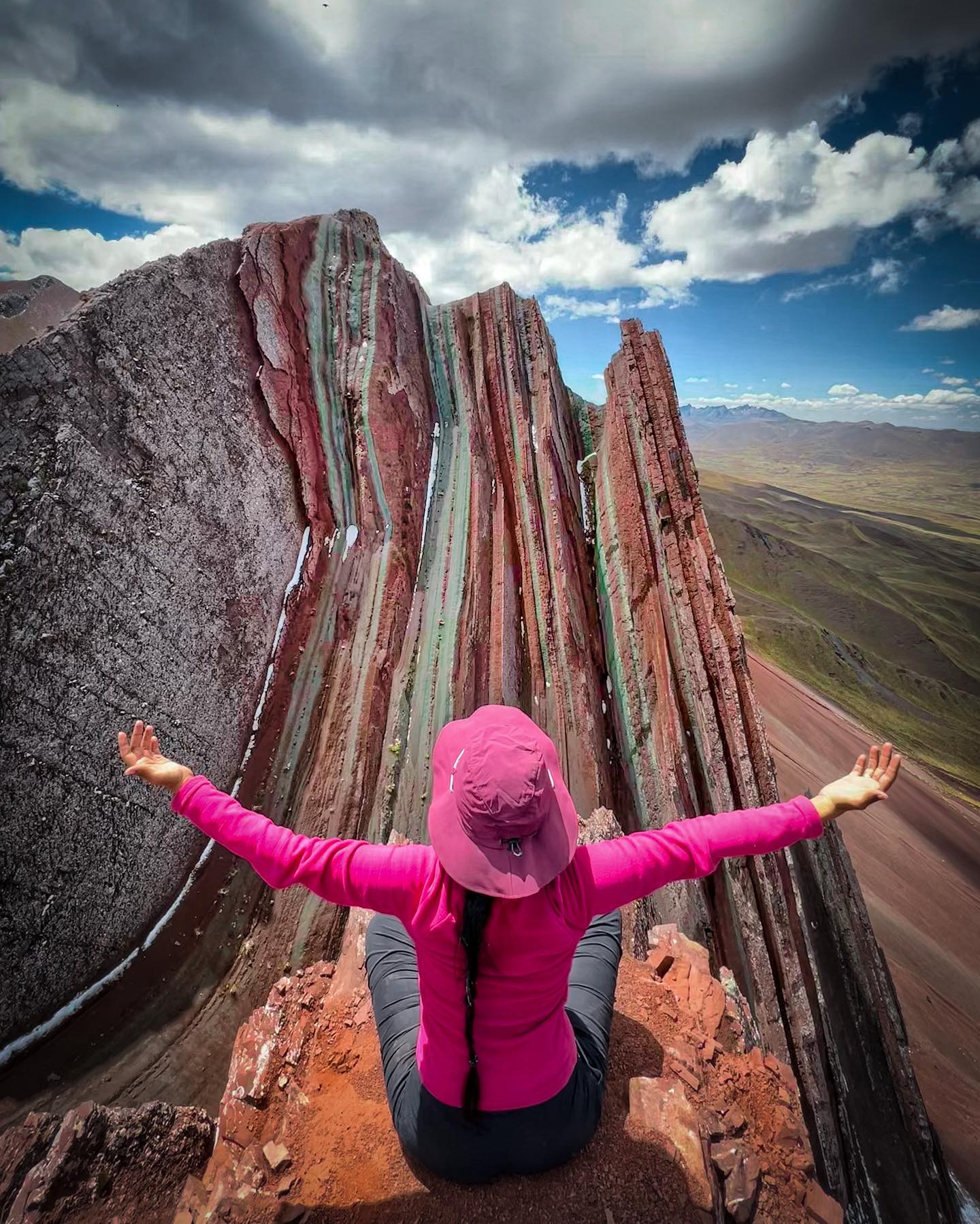
Beyond its visual appeal, the name is full of symbolism. In Andean cosmovision, mountains are sacred and represent the apus —protective spirits—. Thus, Pallay Punchu is also a natural offering, a living testimony of the spiritual connection between the Quechua people and their environment.
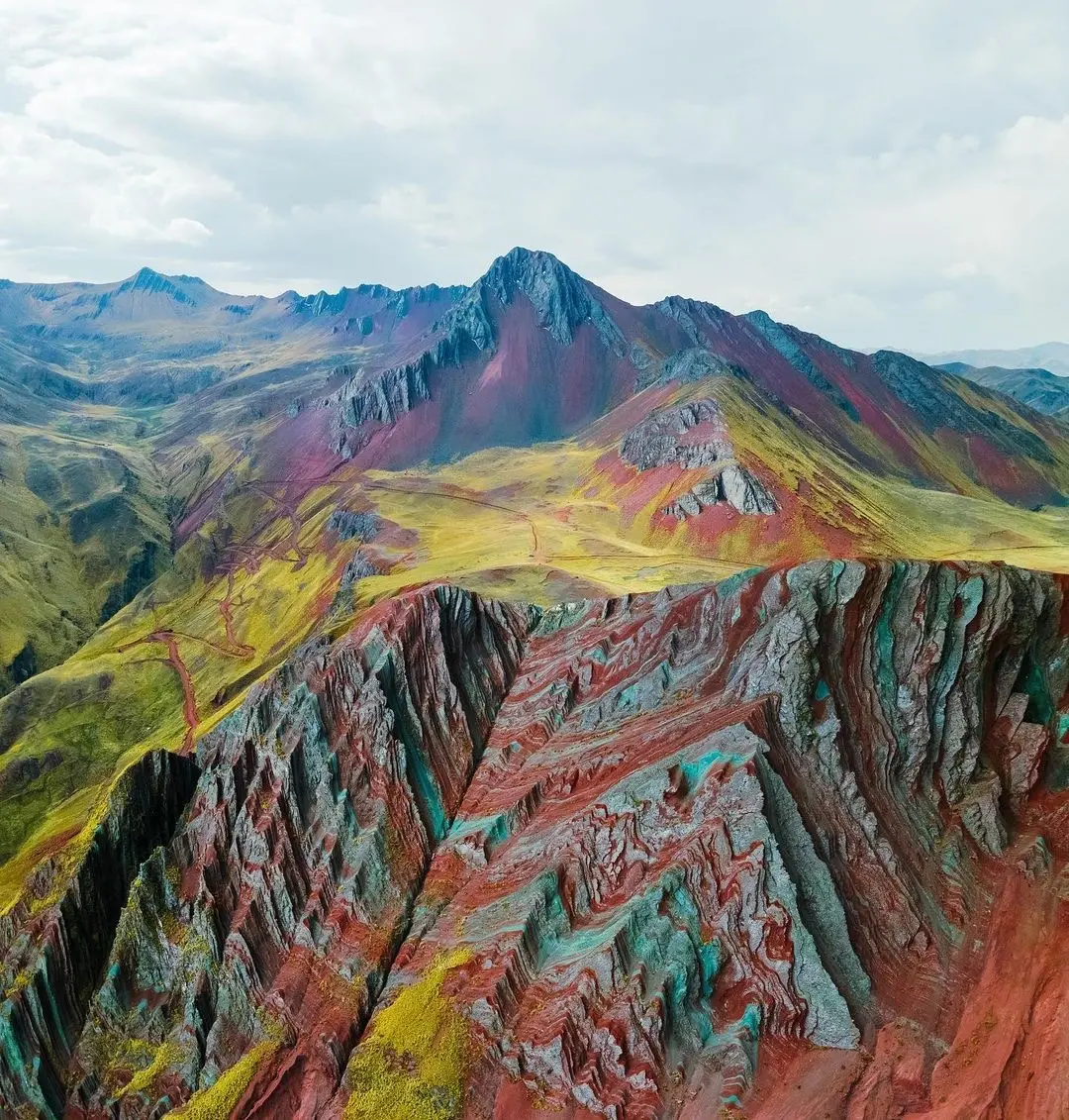
The arrangement of the colored stripes is due to the presence of different minerals in the soil. Red comes from oxidized iron, yellow from sulfur, green from copper compounds, and violet from the combination of several minerals.
History of Pallay Punchu
Although its geological origin dates back more than 250 million years, when the South American and Nazca tectonic plates collided, the modern history of Pallay Punchu began in 2020, during the pandemic lockdown.
It was Tony Ccalta, a young local, who while searching for medicinal plants for his parents, discovered this impressive landscape. He shared photos on social media, and the mountain quickly went viral.
In addition to its beauty, Pallay Punchu is also a natural and cultural refuge for local communities. Sasawi, a medicinal plant used for generations to treat respiratory conditions, grows here.
Quechua communities consider this mountain sacred. Every year they perform offerings to the earth to give thanks for the harvests and ask for protection for their families.
Location and Altitude
| Detail | Information |
|---|---|
| Location | Layo District, Canas Province, Cusco Region |
| Maximum altitude | 4,700 meters above sea level (15,419 ft) |
| Nearby | Langui Lagoon |
| Distance from Cusco | 4 hours by vehicle |
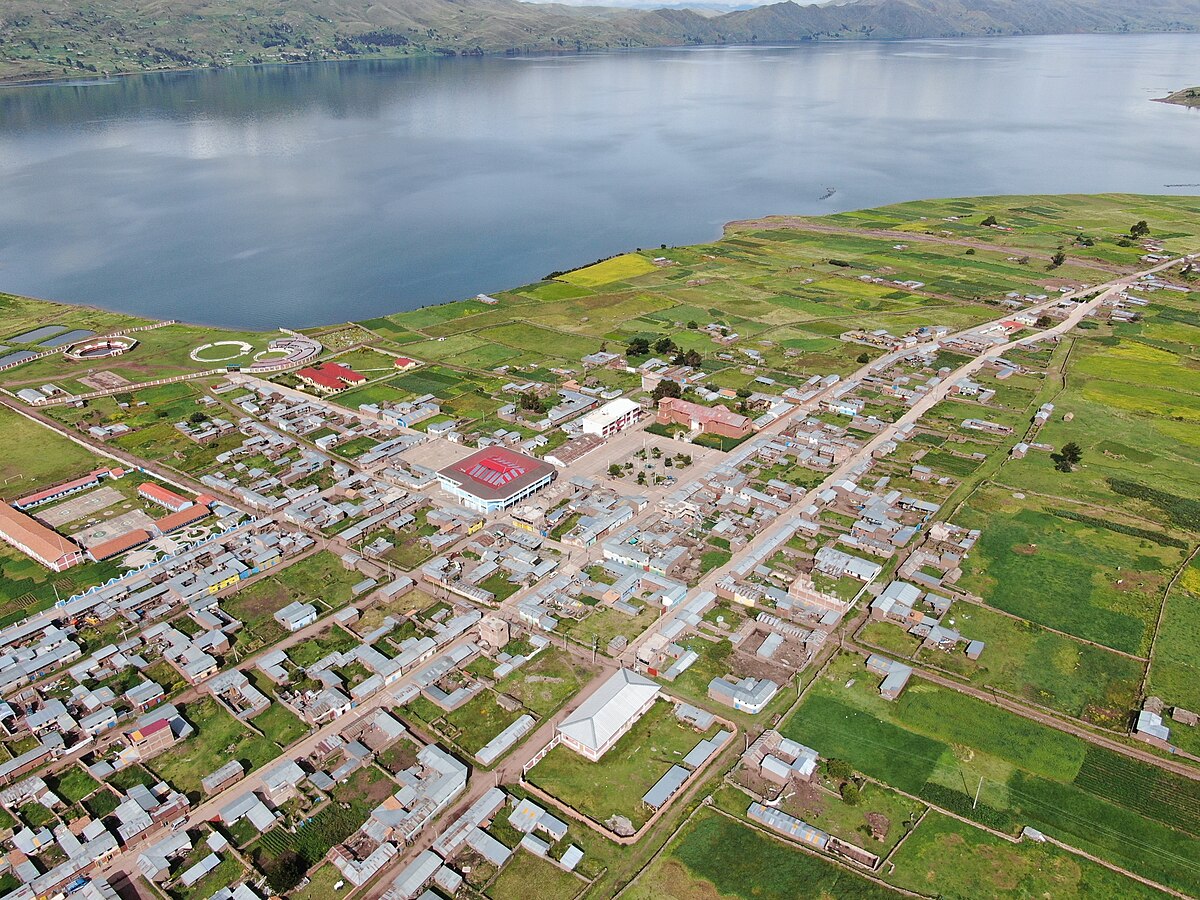
Surrounded by lagoons, valleys, and snow-capped mountains, Pallay Punchu offers one of the most authentic and least explored views of the Andes. The surrounding landscape includes the impressive Langui-Layo Lagoon, which reflects the mountains like a natural mirror.
How to Get to Pallay Punchu?
🧭 On Your Own
From Cusco, take transport to Sicuani. In Sicuani, take another ride to Layo. Once in town, start the hike to the mountain viewpoint (45 minutes to 1 hour).
⚠️ This option is more adventurous but also carries logistical risks. Good planning and physical condition are recommended.
🚐 Organized Tour
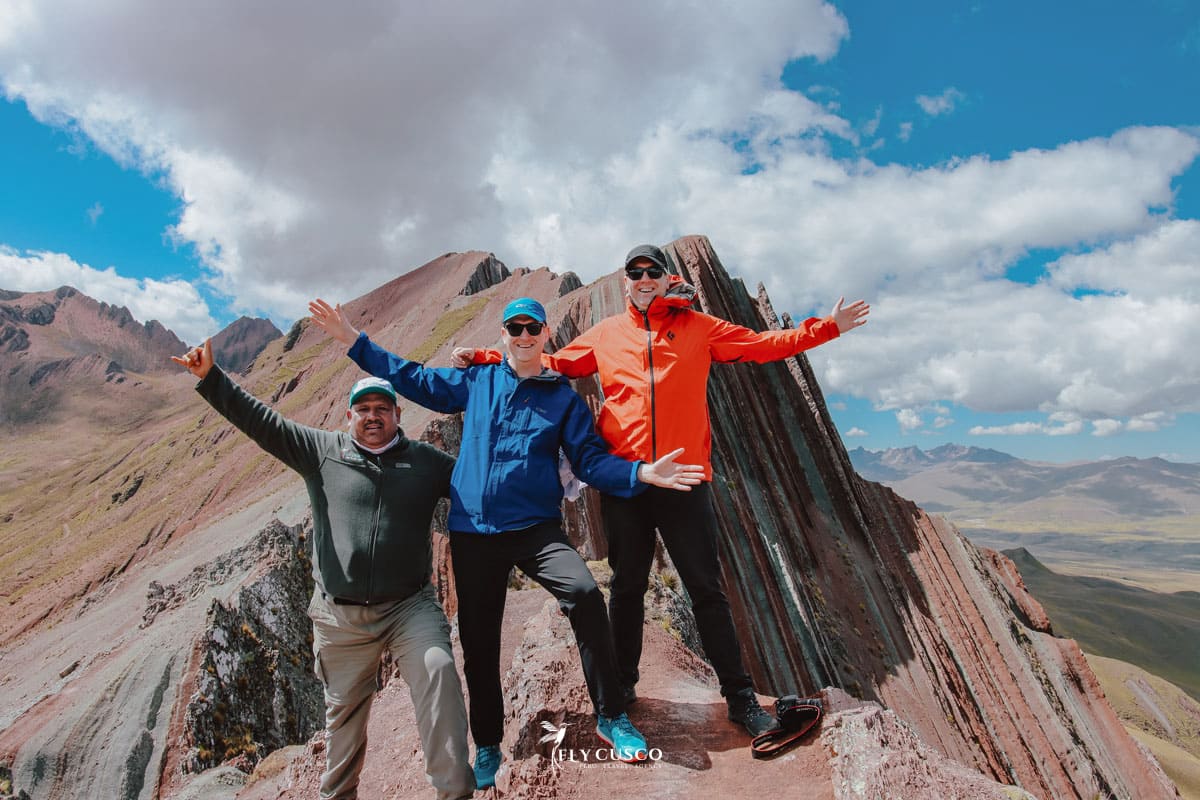
An organized tour to Pallay Punchu includes:
- Round-trip transport from Cusco to Layo
- Breakfast stop
- Professional guide
- Support during the entire hike
- First aid equipment
Weather at Pallay Punchu
- Higher chance of fog, rain, hail, or snow
- Fewer tourists
- More saturated and vibrant colors
- More difficult trail conditions
- Clear skies
- Better visibility
- Ideal trekking conditions
- Colder but more predictable temperatures
✅ Best time: Between May and September (if you want safety and clear views)
Pallay Punchu vs Vinicunca: Which to Choose?
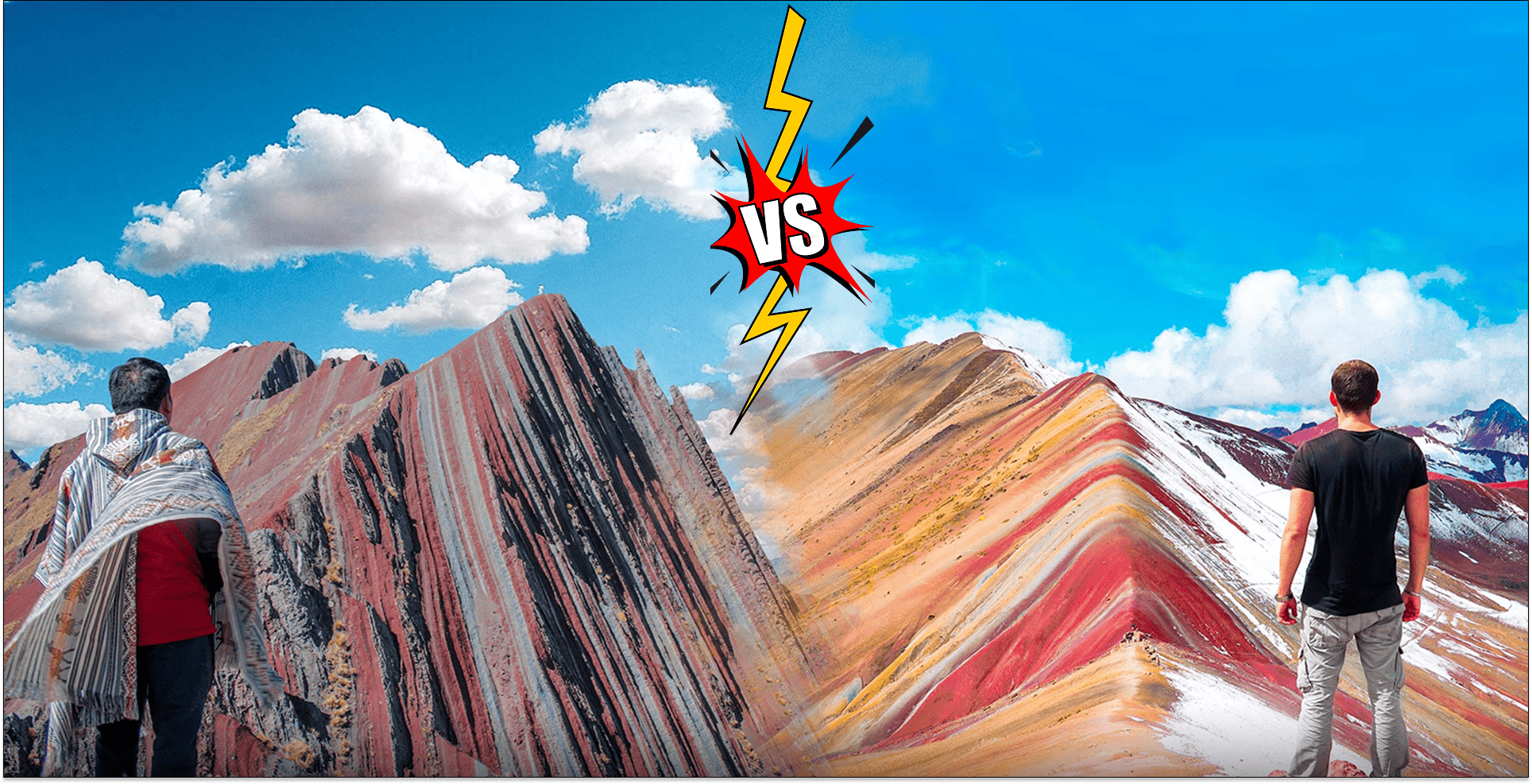
| Aspect | Pallay Punchu | Vinicunca (Rainbow Mountain) |
|---|---|---|
| Altitude | 4,700 masl | 5,100 masl |
| Hike duration | 2 hours | 4 hours |
| Difficulty | Moderate | High |
| Accessibility | Easier | Requires more effort |
| Altitude sickness risk | Lower | Higher |
| Tourist traffic | Few | Many |
| Horse use | Not necessary | Optional |
| Recommended for | All visitors with average fitness | Experienced hikers |
💬 If you want a less demanding and less crowded route, Pallay Punchu is perfect. If you prefer a physical challenge with more popular views, Vinicunca may be your choice.
What to Bring to Pallay Punchu?
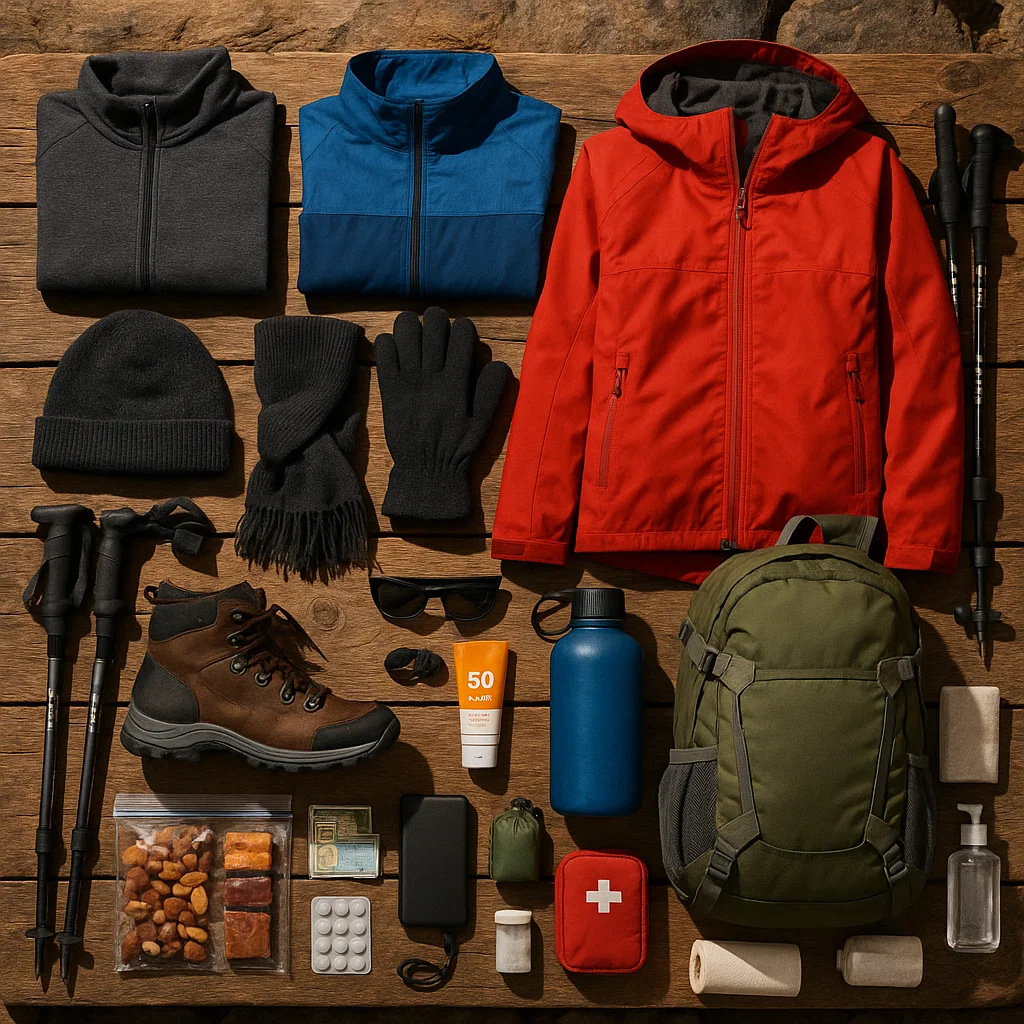
- Thermal layers (light clothes + windbreaker + fleece)
- Waterproof jacket
- Waterproof trekking boots
- Hat and gloves
- Scarf for the wind
- Small backpack (20–30L)
- Reusable water bottle (minimum 2L)
- UV-protected sunglasses
- Sunscreen (SPF 50+)
- Camera or phone with good battery
- Toilet paper and hand sanitizer
- Hat or cap
- Trekking poles (optional but useful)
- Energy snacks (nuts, bars, chocolate)
- Cash (no ATMs available)
- ID document
- Compact rain poncho
- Altitude sickness pills
- Basic first aid kit
⚠️ It is essential to have at least 2 days of acclimatization in Cusco before trekking. Altitude can affect even people in good physical condition.
Pallay Punchu: An Unforgettable Experience
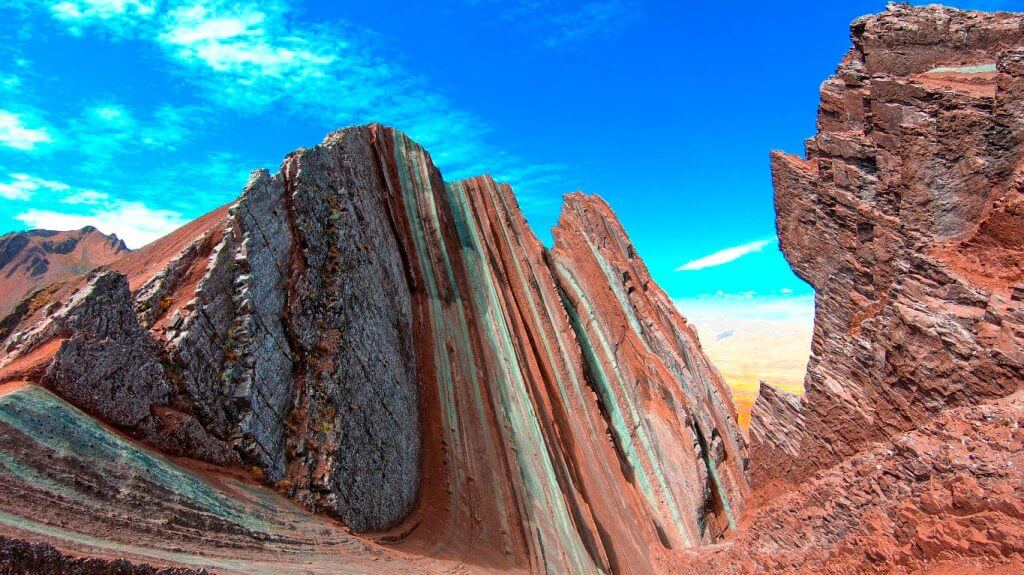
Visiting Pallay Punchu is more than a trek: it is an immersion into Andean culture, the colors of the land, and the wind of the high mountains. It is an authentic and powerful experience, ideal for those seeking more than just pretty photos.
Are you ready to discover one of Peru’s most special rainbow mountains?