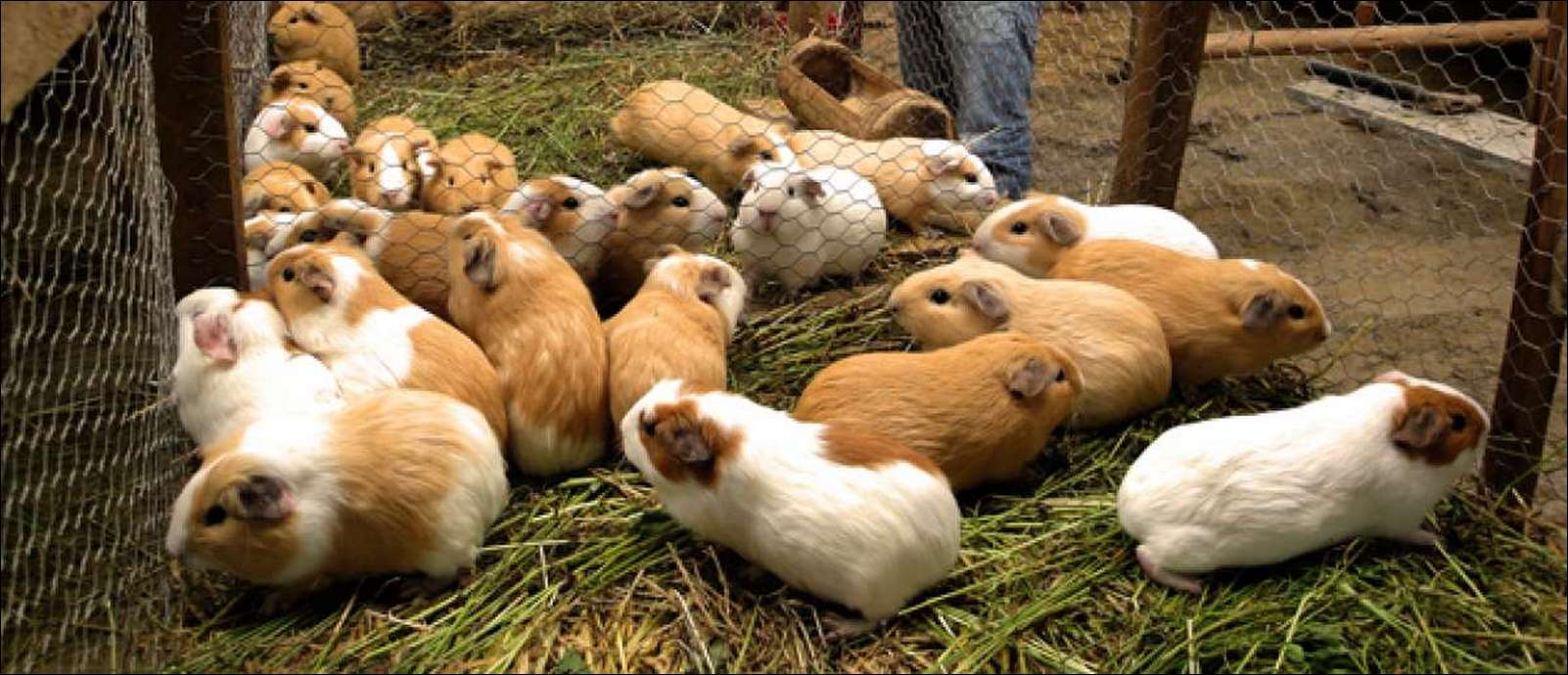
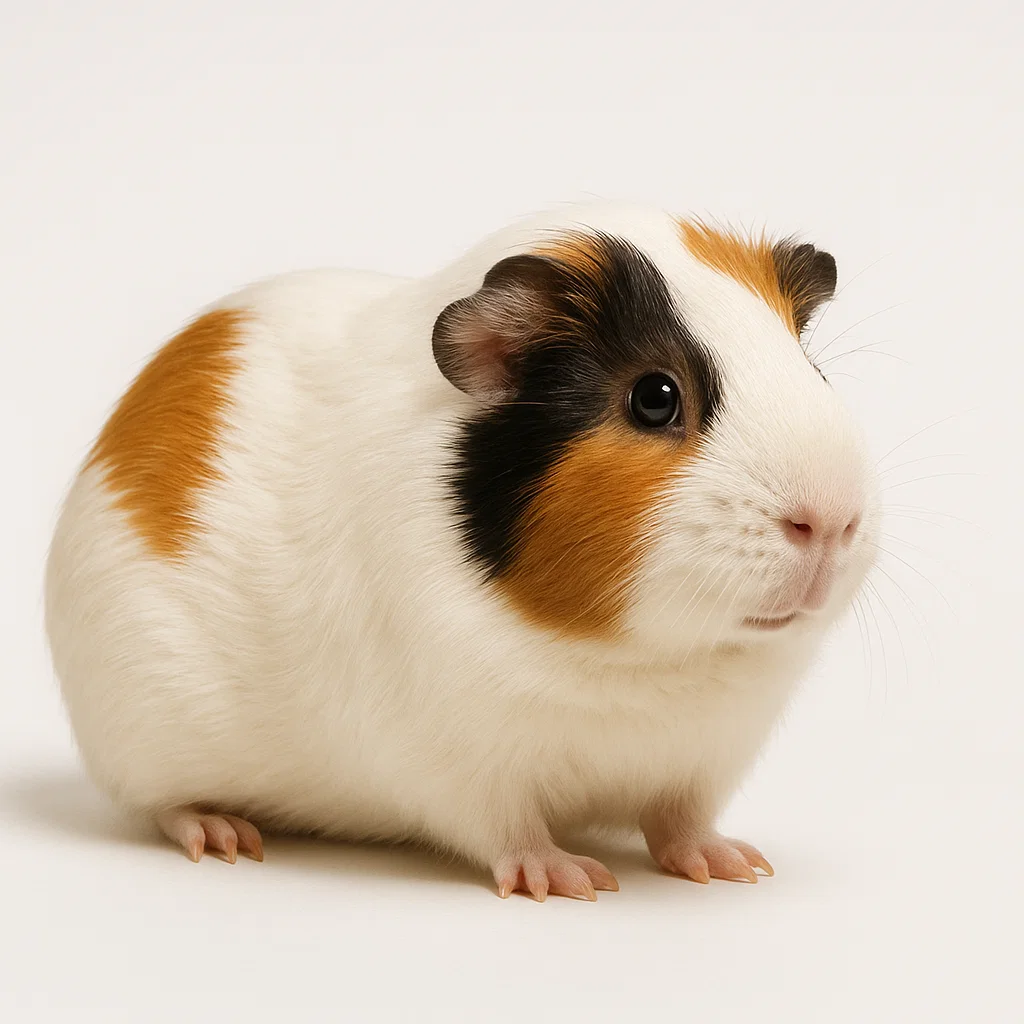
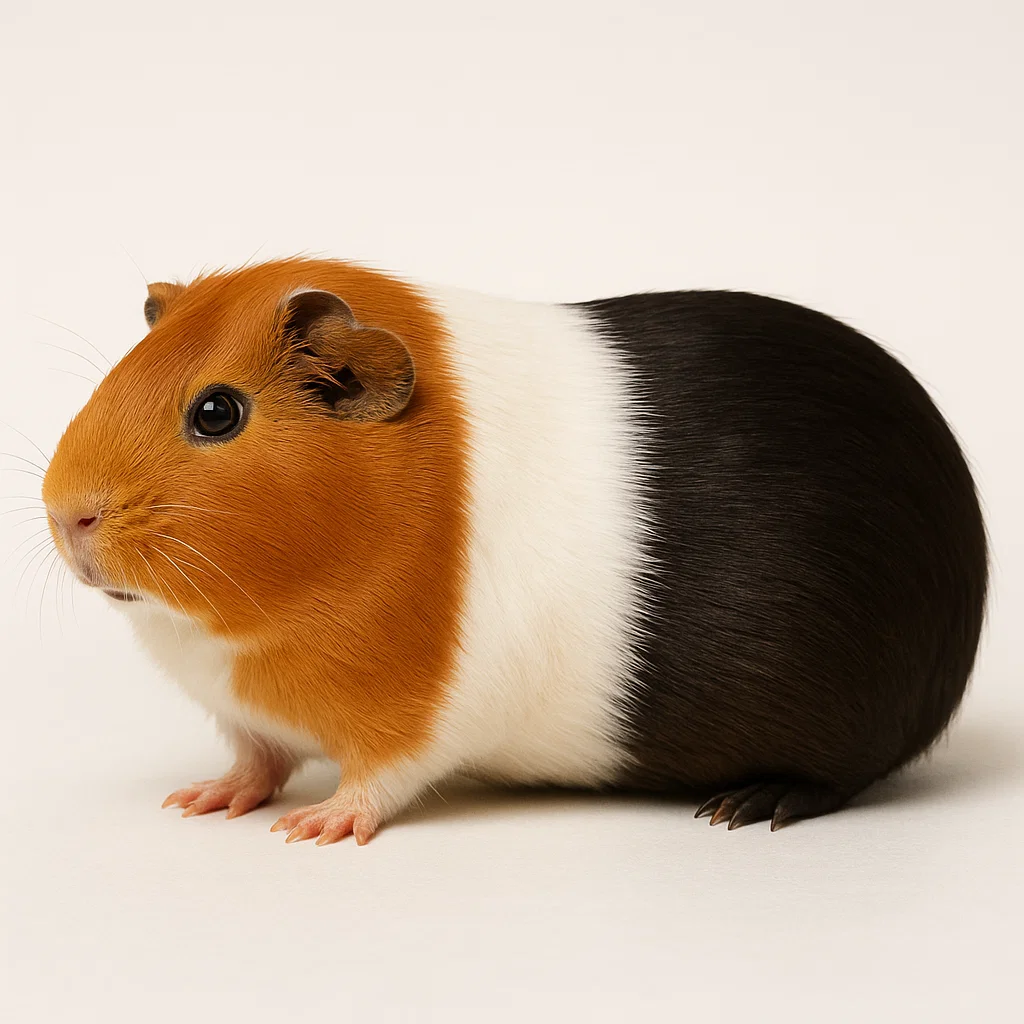
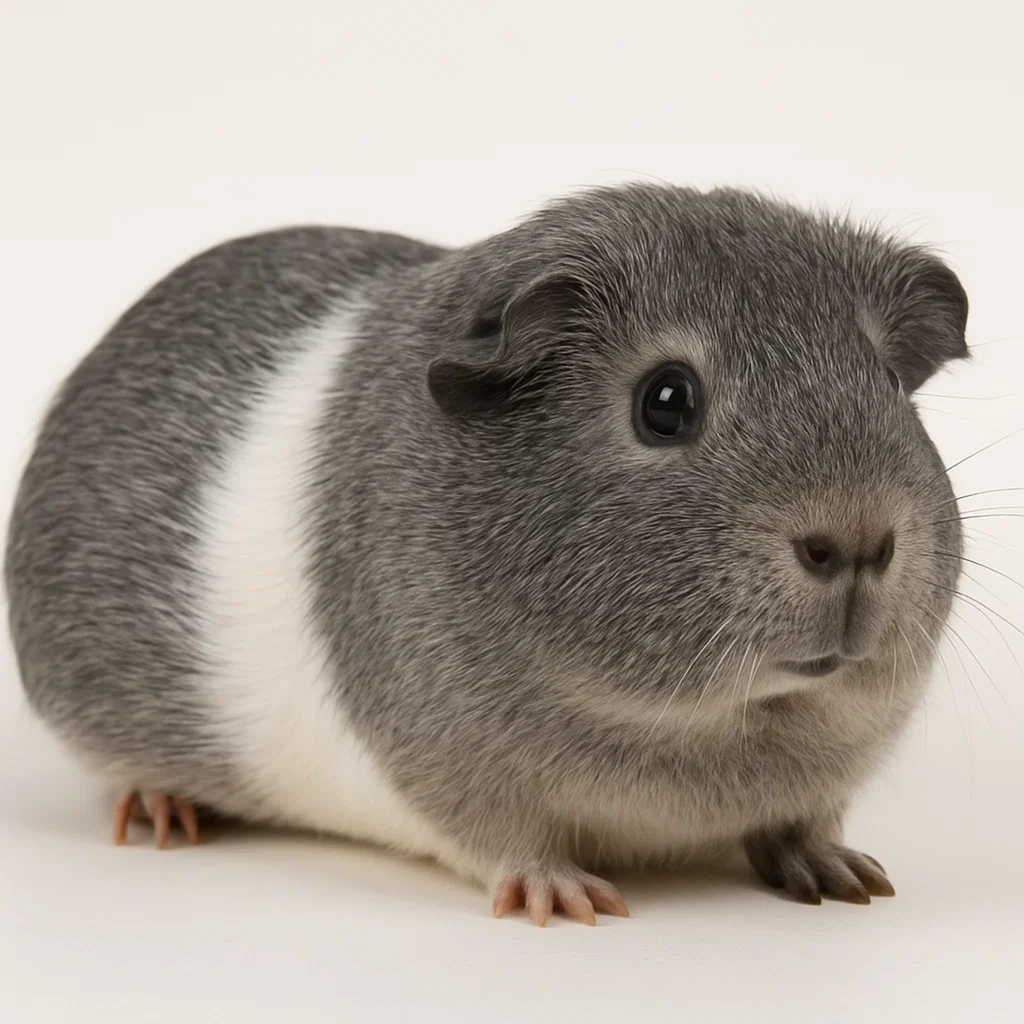
Peru not only domesticated the guinea pig more than 5,000 years ago, but has also developed the greatest genetic diversity in the world. Through the National Program of Small Animals of INIA, the country has created specialized breeds that combine productivity, adaptability, and resistance, setting international standards for guinea pig breeding.
🏆 Global Leadership: Peru concentrates 65% of the world’s guinea pig population and has developed 13+ specialized breeds, exporting genetic technology to Colombia, Bolivia, and Ecuador.
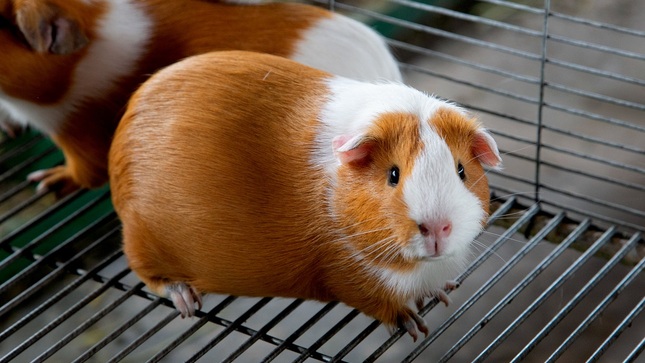
📍 Origin: Cajamarca, fundamental genetic base
Main Characteristics:
- Exceptional precocity: 1 kg in just 60 days
- Adult weight: up to 1.7 kg
- High fertility: 95% reproductive effectiveness
- Controlled litters: ~2.6 pups per birth
- Juvenile mortality: moderate, 15%
🎯 Strategic use: Genetic base for developing more productive and resilient lines
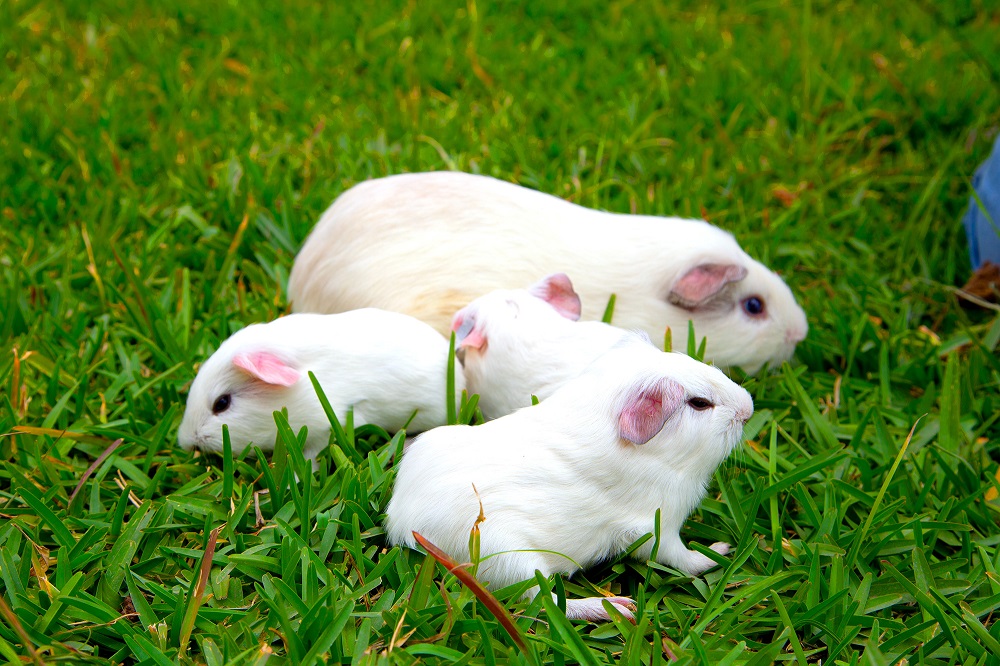
🔬 Developed by INIA since 1972
Main Characteristics:
- Maximum prolificacy: 3.3 to 3.8 pups per birth
- Climate adaptability: coast, highlands, and rainforest
- Continuous reproduction: frequent postpartum gestation
- Characteristic phenotype: short, smooth, white coat
- Genetic resistance: tolerance to environmental variations
🌟 Competitive advantage: The most prolific breed in the world, ideal for intensive systems
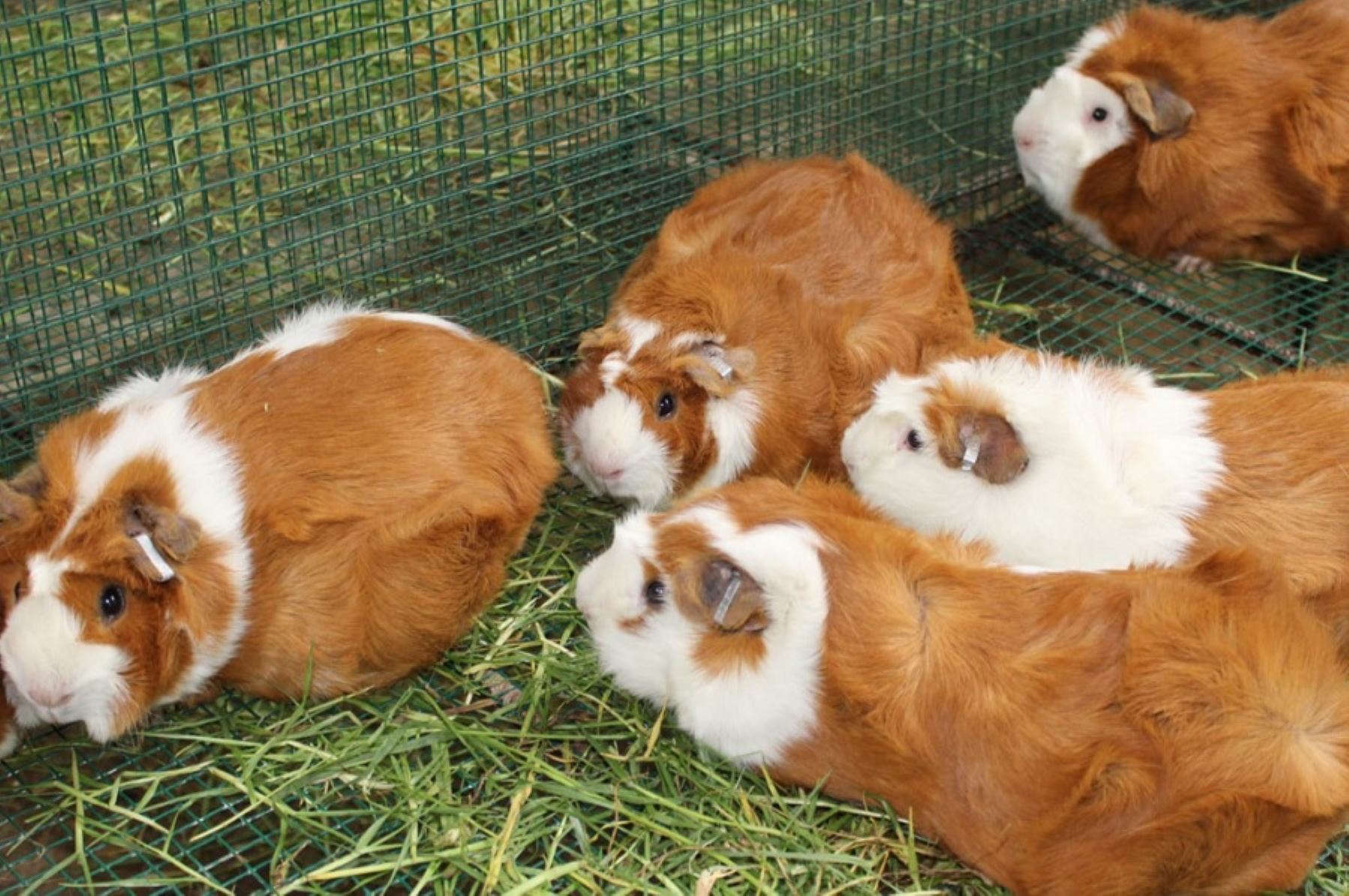
👑 Heritage of the Tahuantinsuyo, scientifically perfected
Main Characteristics:
- Productive balance: high prolificacy and low mortality (10%)
- Accelerated growth: 1 kg in ~70 days
- Docile temperament: facilitates intensive handling
- Ecological versatility: coast, rainforest, and highlands
- Higher profitability: better feed conversion
💰 Commercial leader: One of the most profitable breeds for commercial meat production
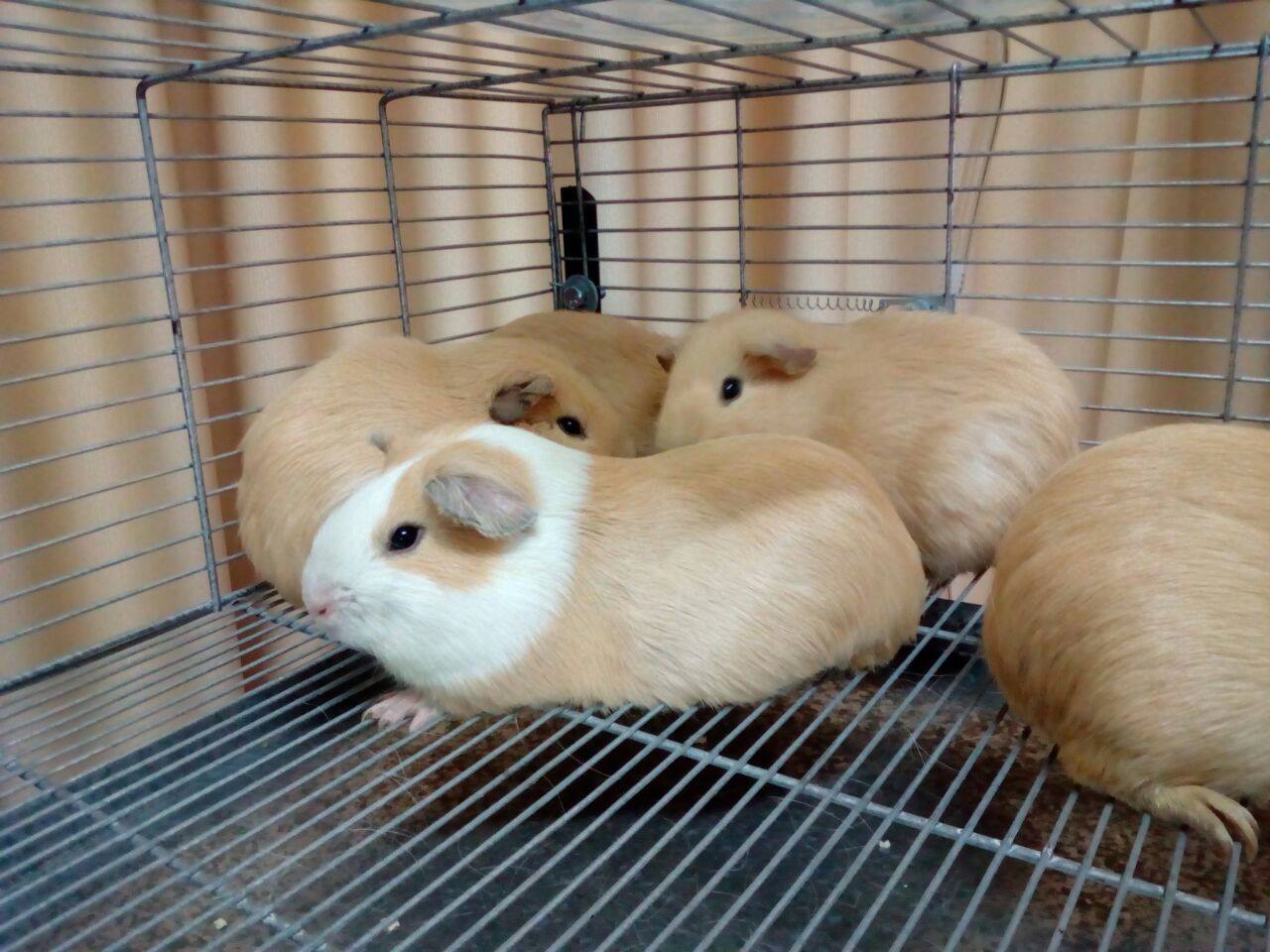
🧬 Scientific hybridization: Andean × Inka
Main Characteristics:
- Genetic balance: balanced growth and reproduction
- Optimized litters: higher than Peru, lower than Andean
- Altitude adaptability: 0 to 4,000 masl
- Hybrid vigor: combines strengths of parental breeds
- Simplified management: lower nutritional requirements
⚖️ Genetic innovation: Perfect balance between meat production and reproductive capacity
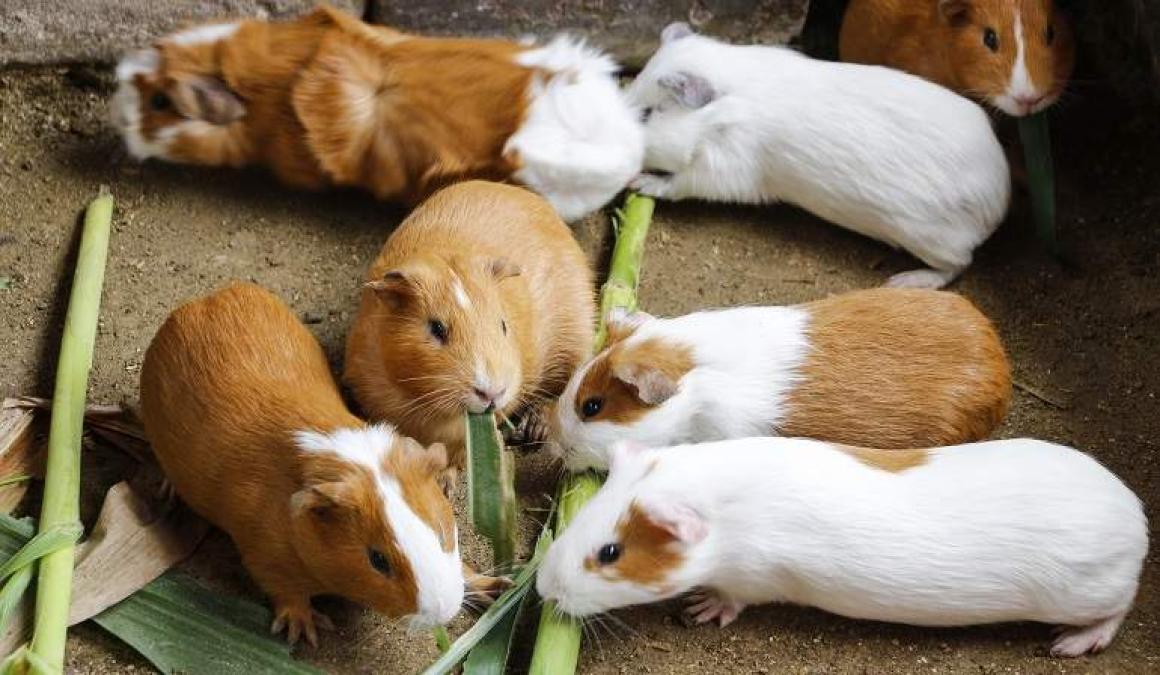
🧪 Genetic synthesis: multiple Peruvian breeds
Main Characteristics:
- Explosive growth: superior precocious development
- Feeding efficiency: maximum nutritional use
- Robust immunity: high resistance to pathogens
- Intensive systems: adaptation to industrial breeding
- Productive homogeneity: consistent results
🏭 Industrial revolution: Specifically designed for intensive and commercial production systems
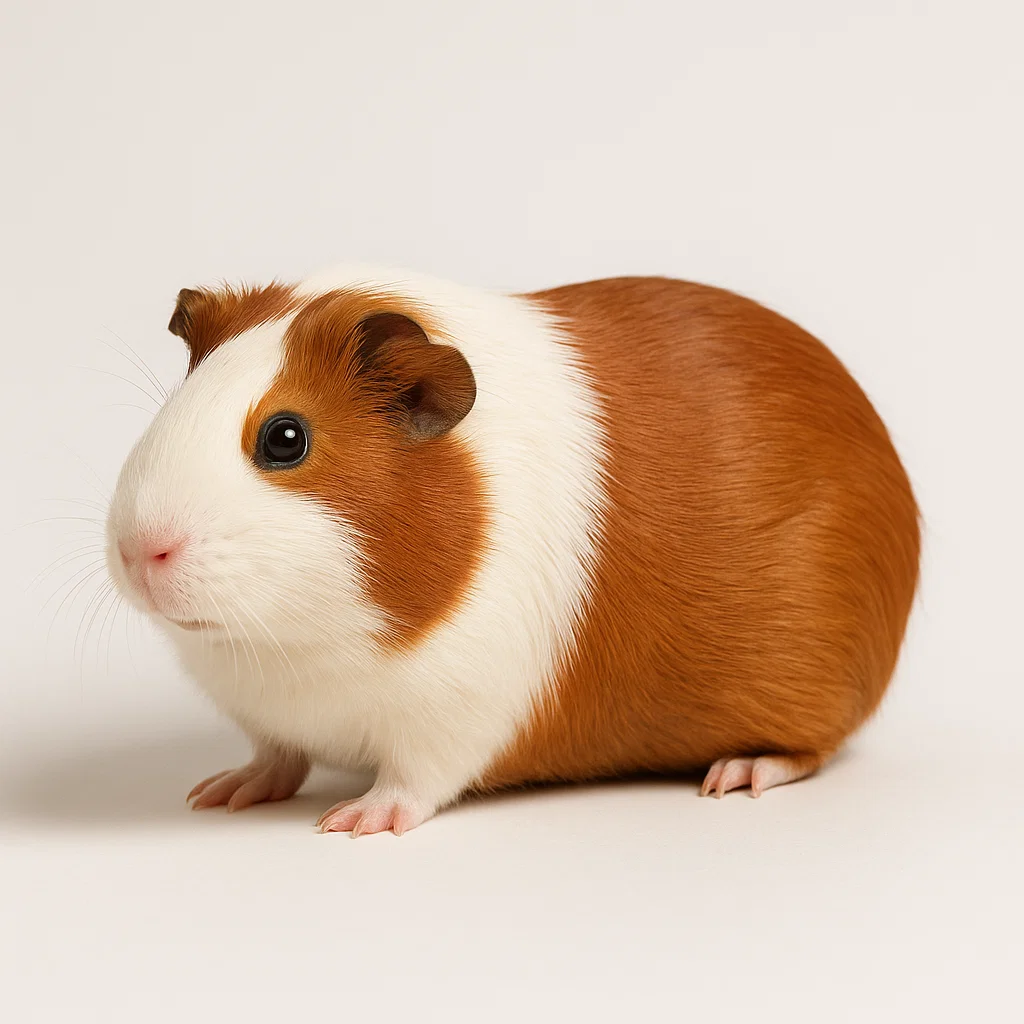
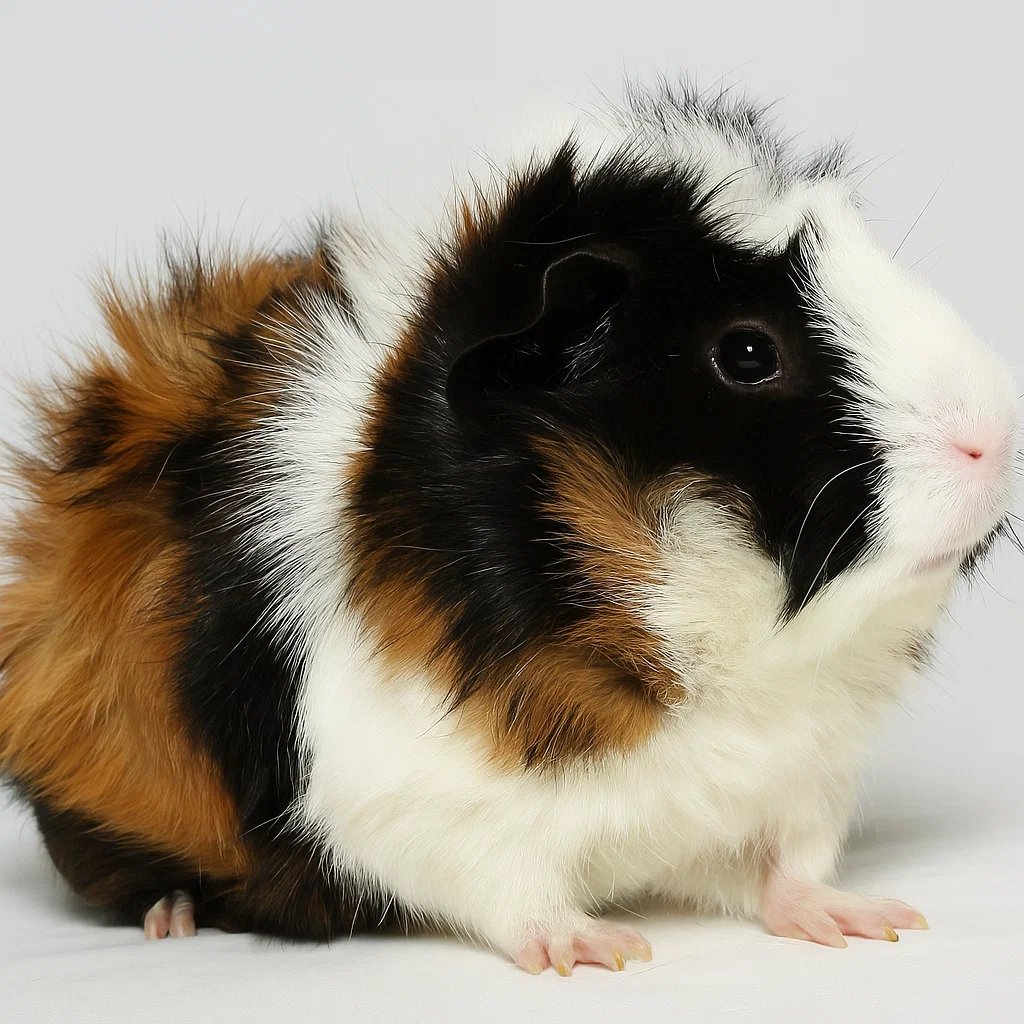
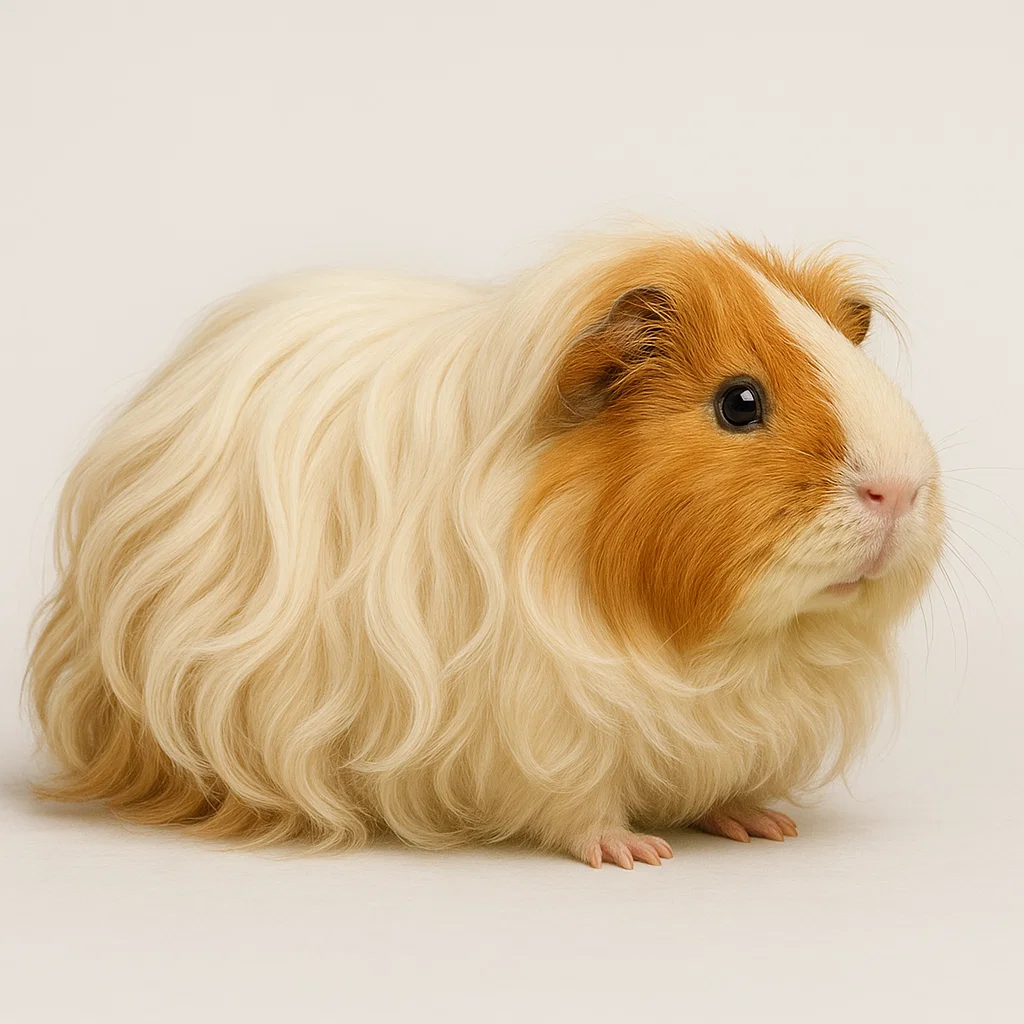
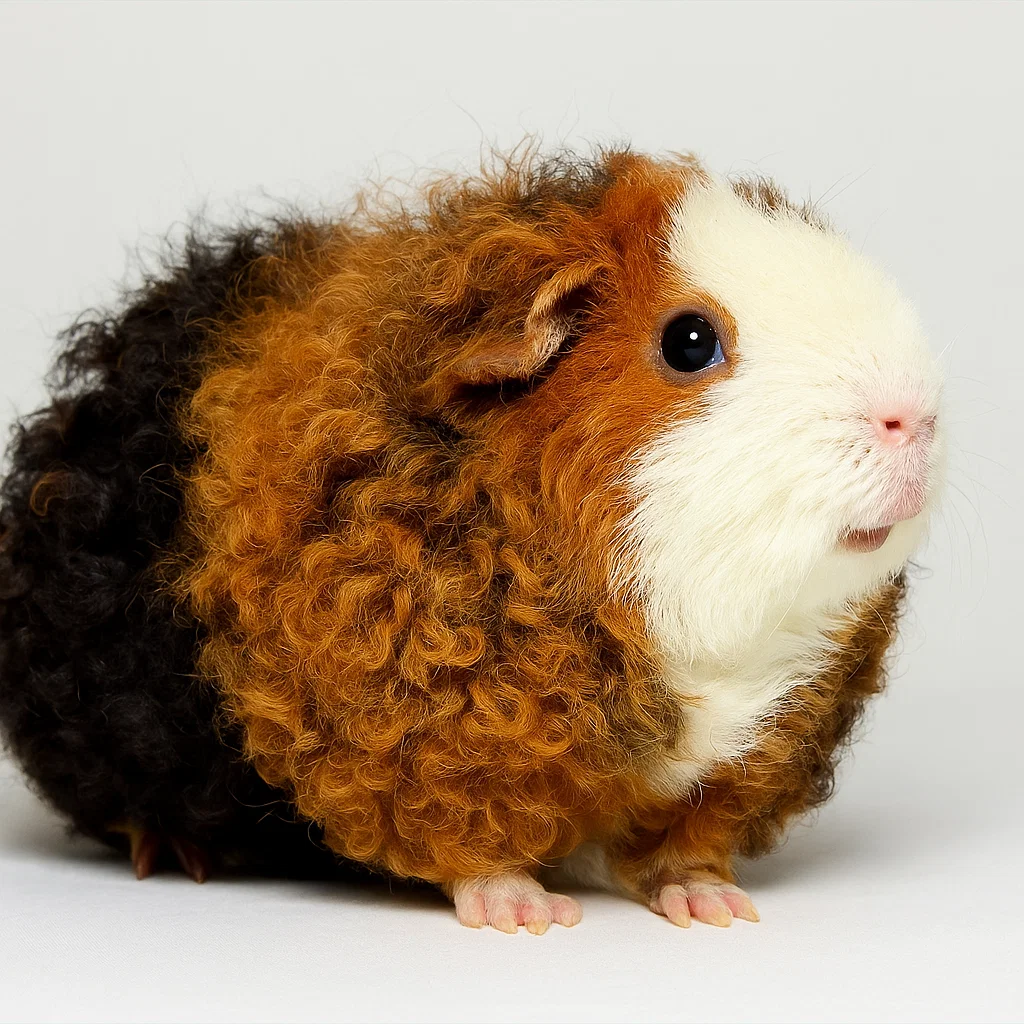
Coat typification not only determines the guinea pig’s appearance, but directly influences its productivity, handling, and commercial value. The Peruvian classification system establishes four main types:
| Type |
Technical Description |
Productive Application |
Visual Example |
Type 1
Short Smooth |
Short hair (2–3 cm), close to the body, smooth and uniform texture |
Optimal for meat: facilitates processing, better feed conversion |
 |
Type 2
Rosetted |
Short hair with rosettes (whorls), irregular coat distribution |
Moderate productivity: good meat quality, special handling |
 |
Type 3
Long Straight |
Long hair (>4 cm), straight or with rosettes, requires special care |
Ornamental use: not recommended for intensive meat production |
 |
Type 4
Curly |
Curly, coarse, frizzy hair, characteristic woolly texture |
Ornamental value: unique appearance, specialized market |
 |
📊 Productive recommendation: For commercial meat production systems, Type 1 (short smooth coat) offers the best advantages: ease of handling, superior hygiene, and optimization of feed resources.
The chromatic variability of the Peruvian guinea pig reflects centuries of natural selection and genetic improvement. Each pattern and color not only represents aesthetic beauty but also genetic markers that can correlate with specific productive traits.
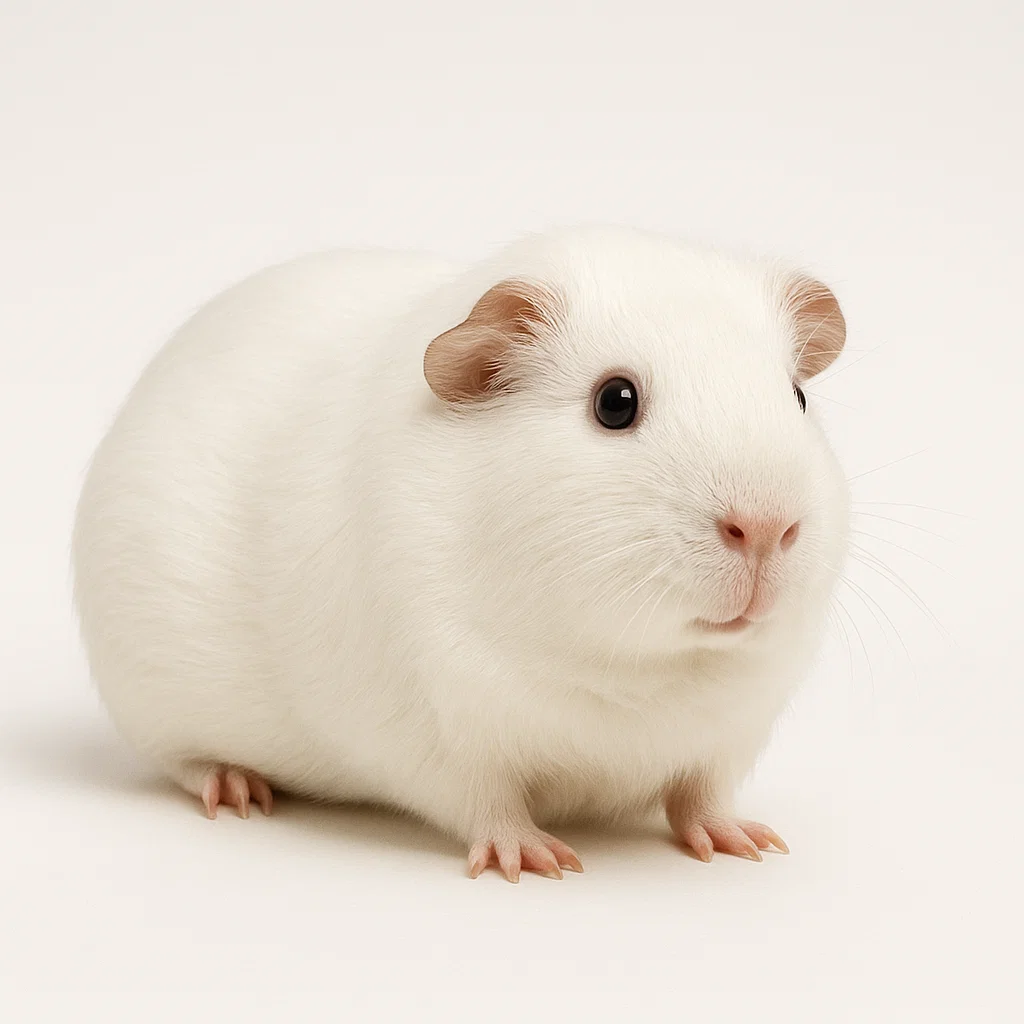
Pure White
Uniform solid color, associated with genetic purity and specialized lines
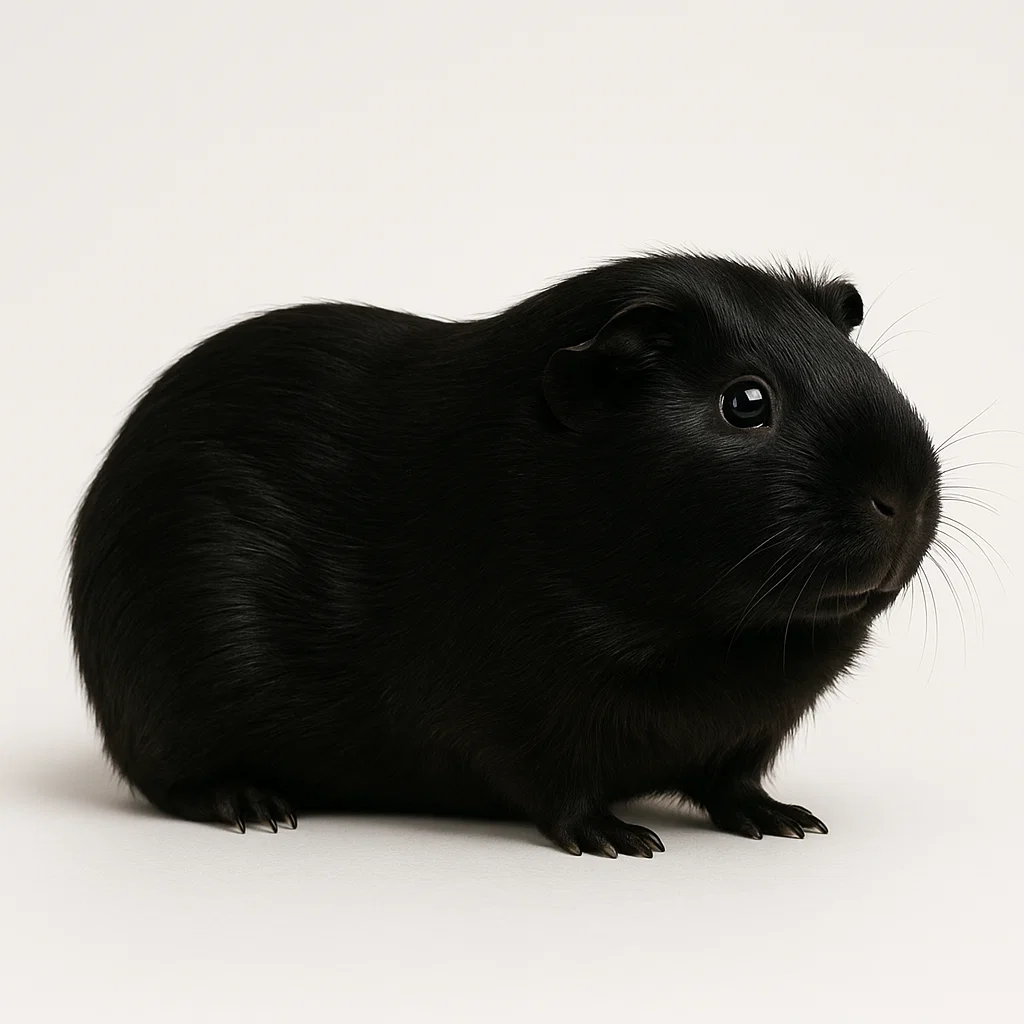
Solid Black
Uniform intense pigmentation, indicator of hardiness and adaptation
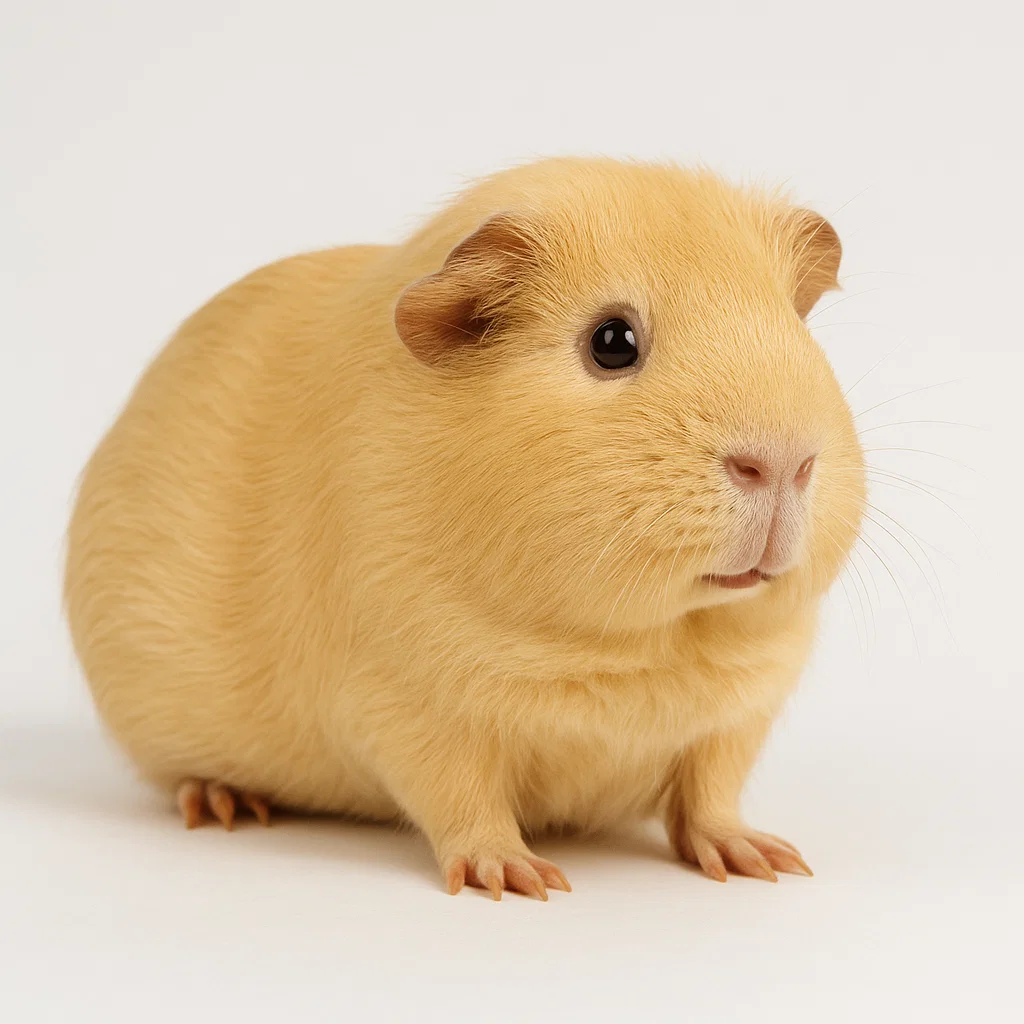
Golden Bay
Yellow-golden hue, common in traditional Andean breeds
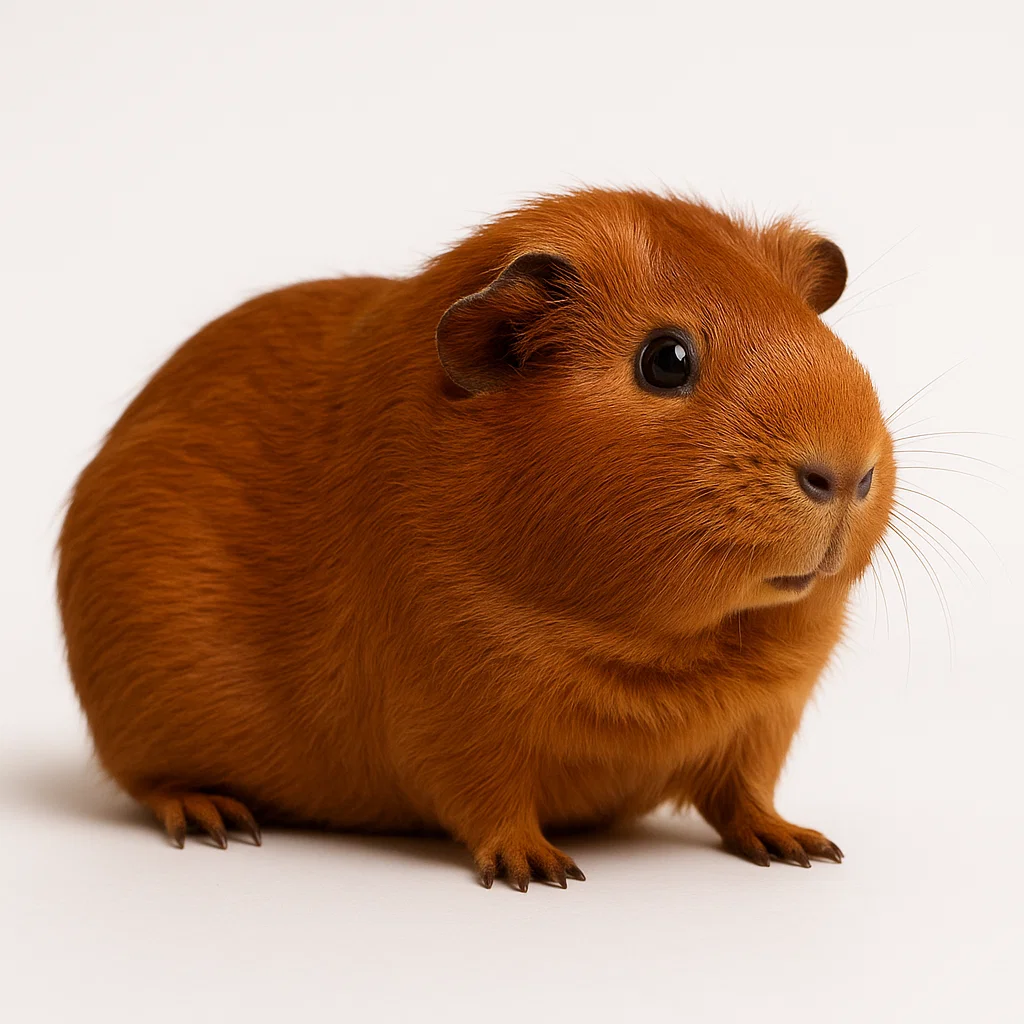
Reddish Chestnut
Brown-reddish pigmentation, frequent in high-productivity lines
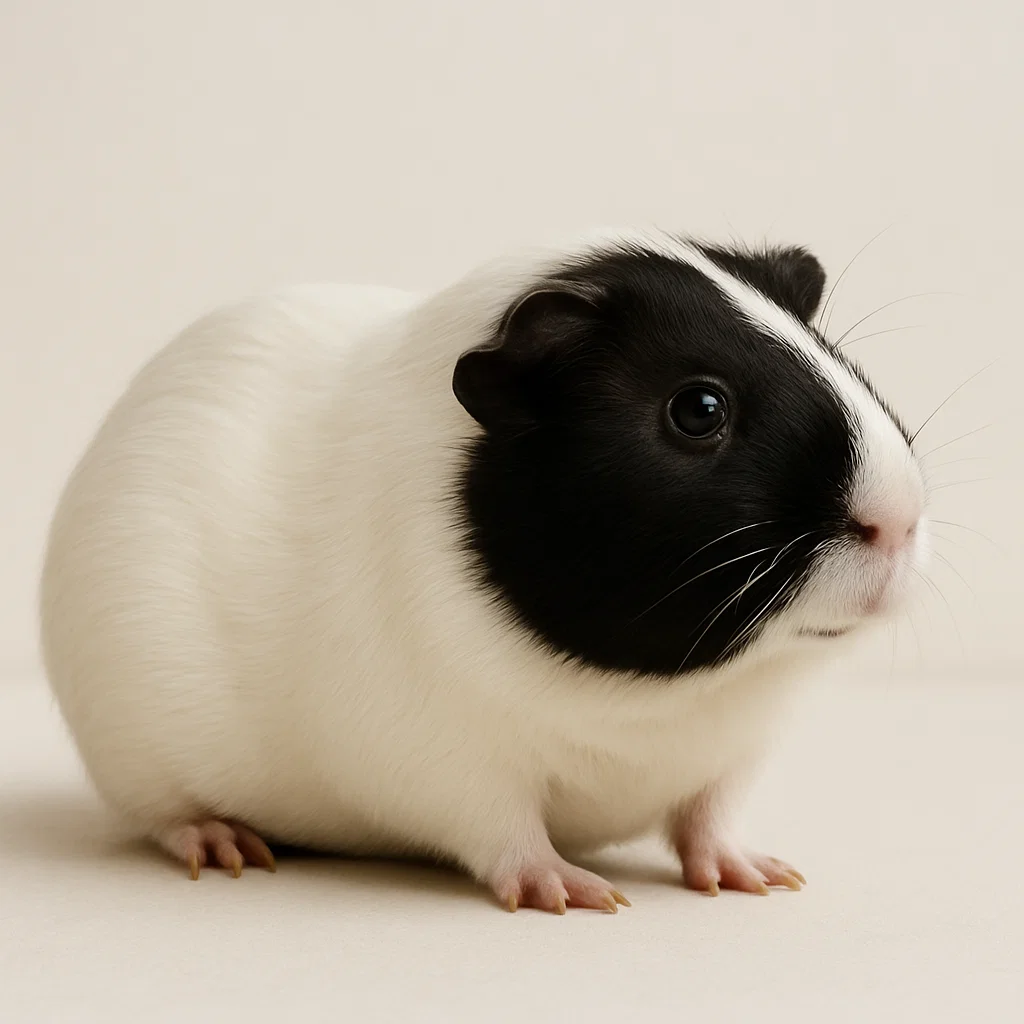
Classic Piebald
Black-and-white combination in defined patterns, highly valued commercially
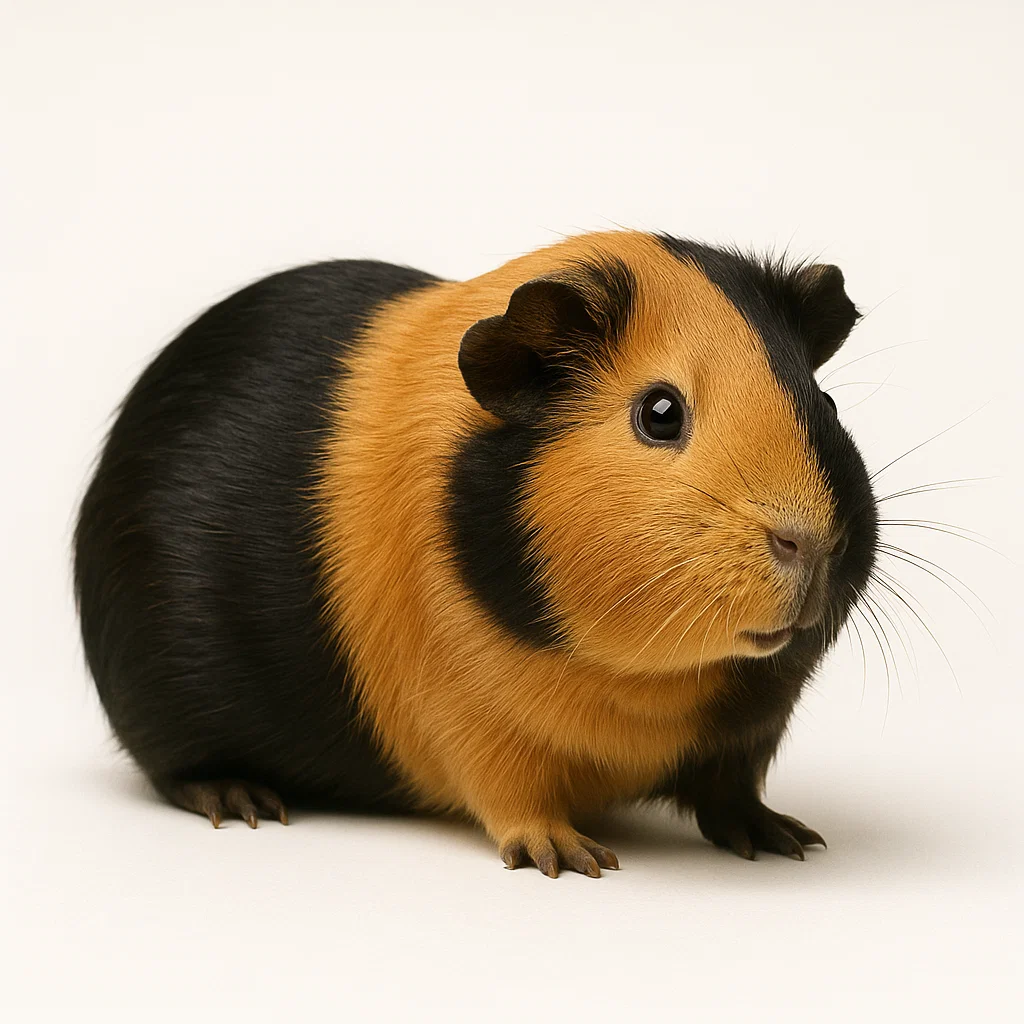
Andean Wolf
Bay–black fusion, ancestral pattern of domesticated wild guinea pigs
Spotted Overo
White base with irregular spots, distinctive pattern of high variability
Striped Banded
Regular chromatic bands, indicator of genetic stability
Smoky Gray
Diffuse gray-white tone, emerging pattern in modern lines
🧬 Genetic importance: Color patterns serve as phenotypic markers to identify genetic lines, assess inbreeding, and maintain genetic diversity in improvement programs.
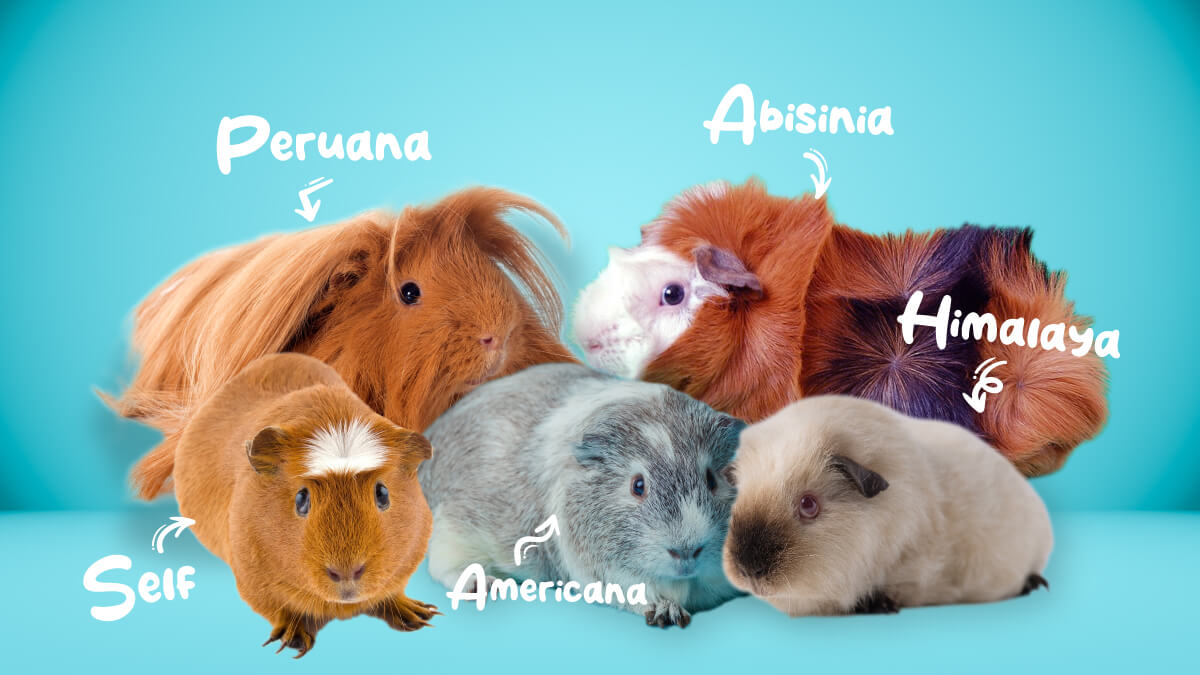
Although Peru leads genetic innovation, other countries have developed specialized varieties, mainly oriented to the pet and show market. These international breeds complement the global panorama of guinea pigs:
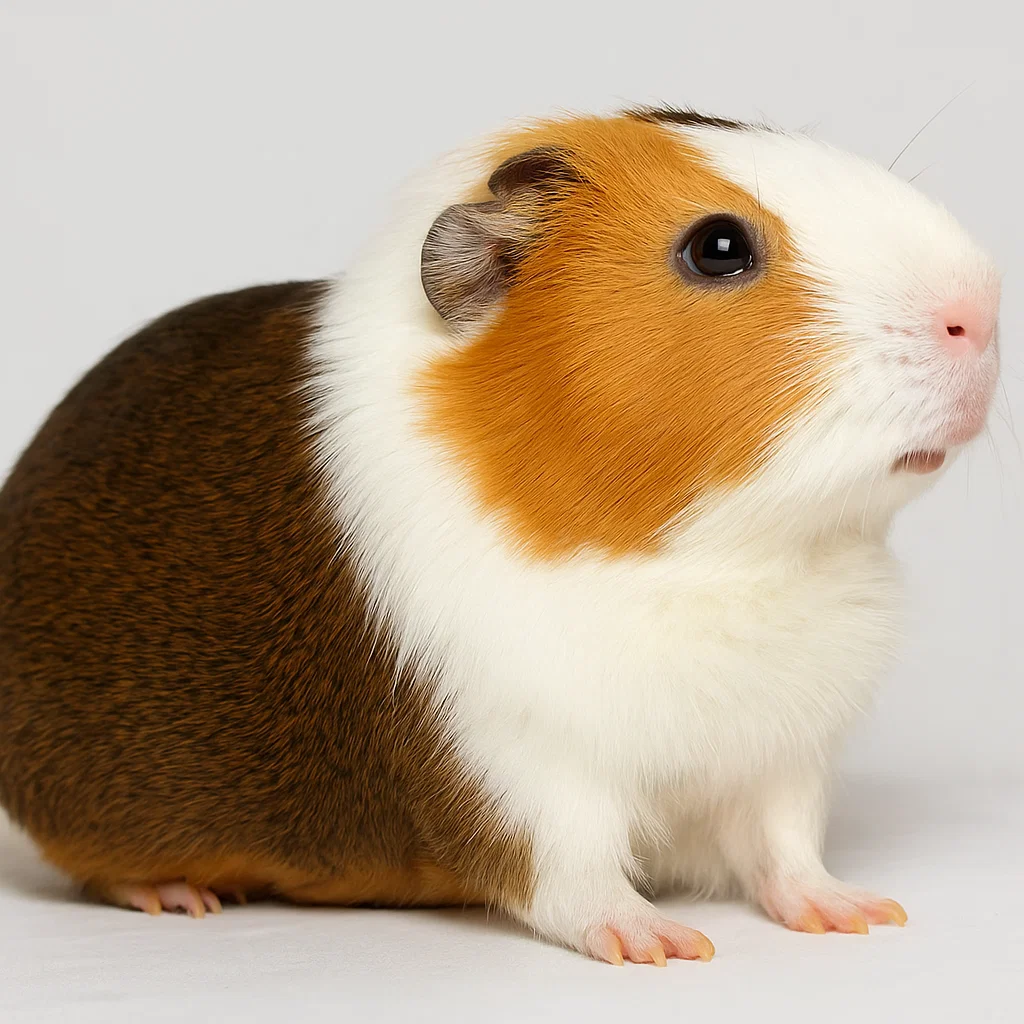
Standard American
Origin: United States
Characteristics: Short, smooth coat; balanced body structure; docile temperament. Very popular as a family pet and in educational programs.
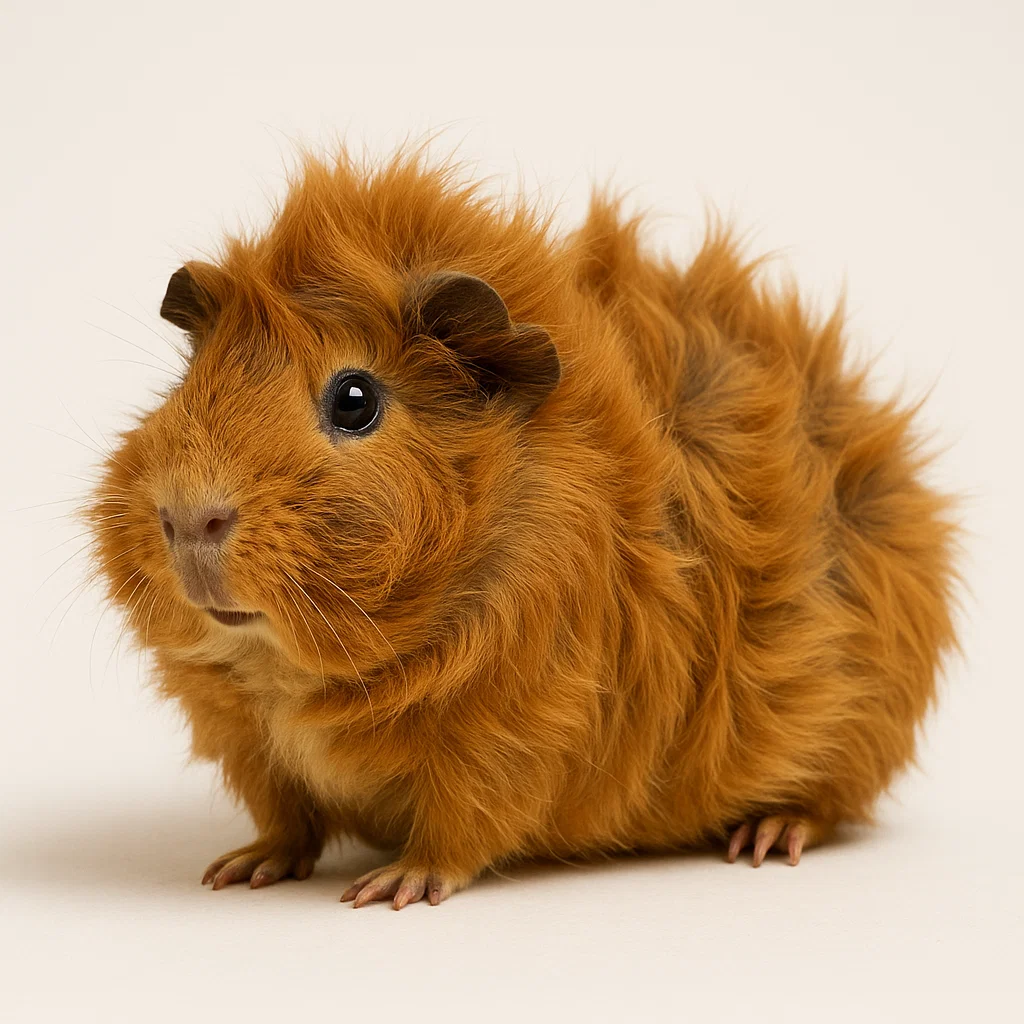
Classic Abyssinian
Origin: European lines
Characteristics: Short hair with 8–10 symmetrical rosettes, a unique and distinctive appearance. Valued in international competitions.
International Peruvian
Origin: Derived from Peruvian guinea pigs
Characteristics: Long, silky hair up to 20 cm; requires intensive care. A symbol of elegance in global exhibitions.
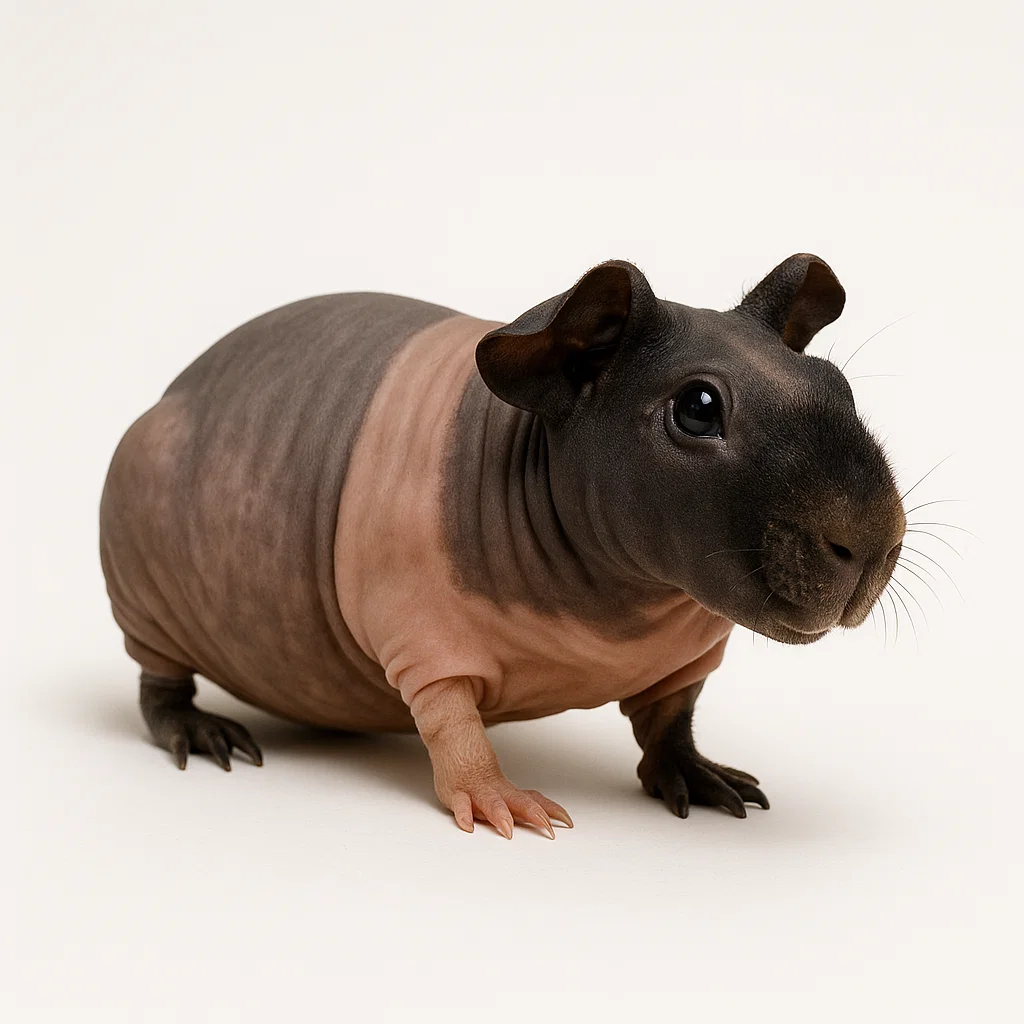
Modern Skinny
Origin: Genetic mutation (Canada)
Characteristics: Practically hairless, soft and warm skin. An exotic pet that requires special thermal care.
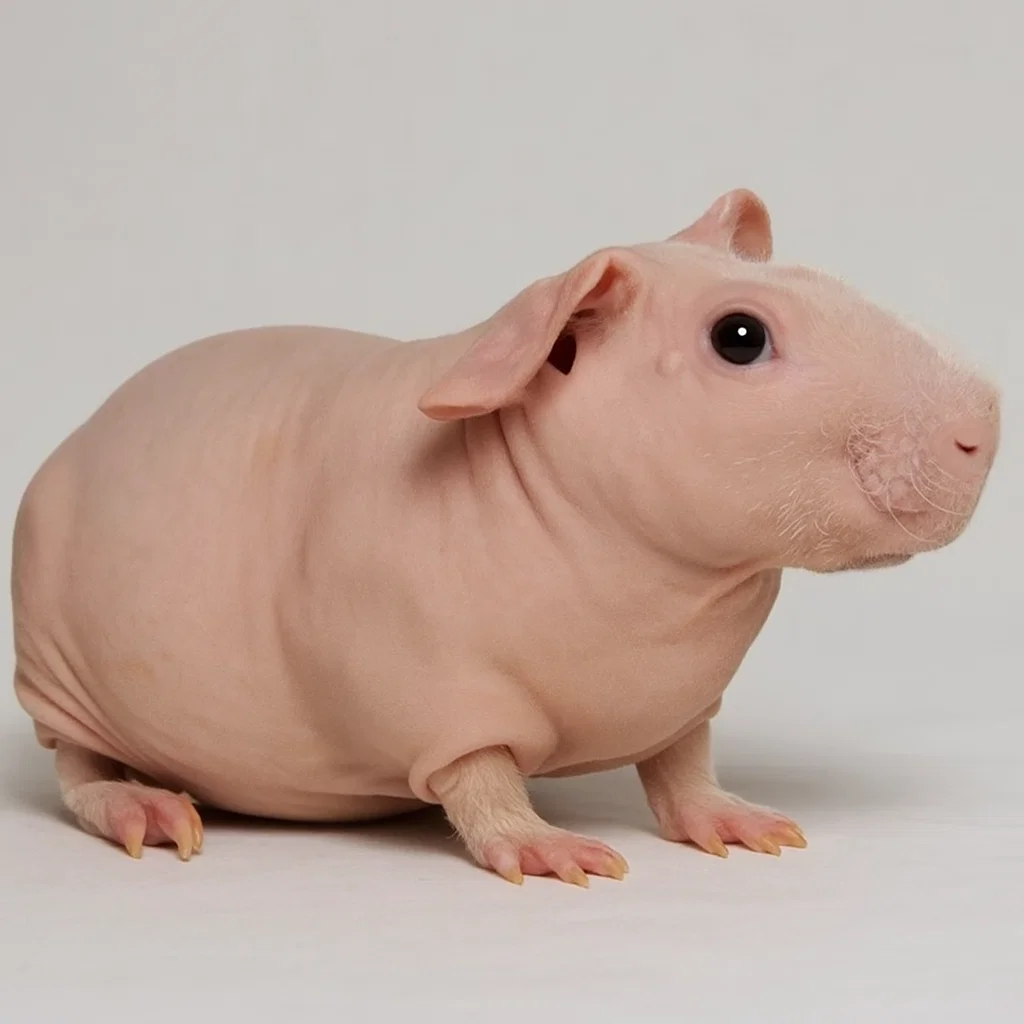
Evolutive Baldwin
Origin: Spontaneous mutation
Characteristics: Born with hair that they gradually lose. Smooth, resistant skin—an intriguing genetic adaptation.
🔬 Market differentiation: While Peruvian breeds specialize in meat production and feed efficiency, international varieties prioritize aesthetic and behavioral traits for the companion-animal market.
Peru’s leadership in guinea pig breeding is no coincidence. It is the result of decades of scientific research, specialized public policies, and institutional commitment to genetic innovation. The National Program of Small Animals of INIA has positioned the country as a global benchmark:
22+
Million guinea pigs in national production
#1
In global genetic diversity
13+
Specialized breeds developed
65%
Of the world’s guinea pig population
🌎 Export of Genetic Technology
Peru not only produces guinea pigs; it exports knowledge, reproductive technology, and elite genetic material to countries in the region, consolidating its continental leadership:
🇨🇴 Colombia — Transfer of Inka and Andean breeds
🇧🇴 Bolivia — Genetic improvement programs
🇪🇨 Ecuador — Specialized technical training
🇦🇷 Argentina — Advisory on production systems
🚀 Future outlook: Peru is developing the next generation of guinea pigs with enhanced traits: greater disease resistance, adaptation to climate change, and nutritional optimization for international markets.
Each guinea pig breed developed in Peru represents centuries of ancestral wisdom combined with modern science. From the heights of the Andes to INIA’s laboratories, the Peruvian guinea pig symbolizes the country’s ability to transform native resources into world heritage.
The future of sustainable food has a Peruvian accent—and it’s called guinea pig.
"Preserving and improving our guinea pig breeds is to preserve 5,000 years of genetic innovation and project Peru as a global food leader."