




What is the cuy?
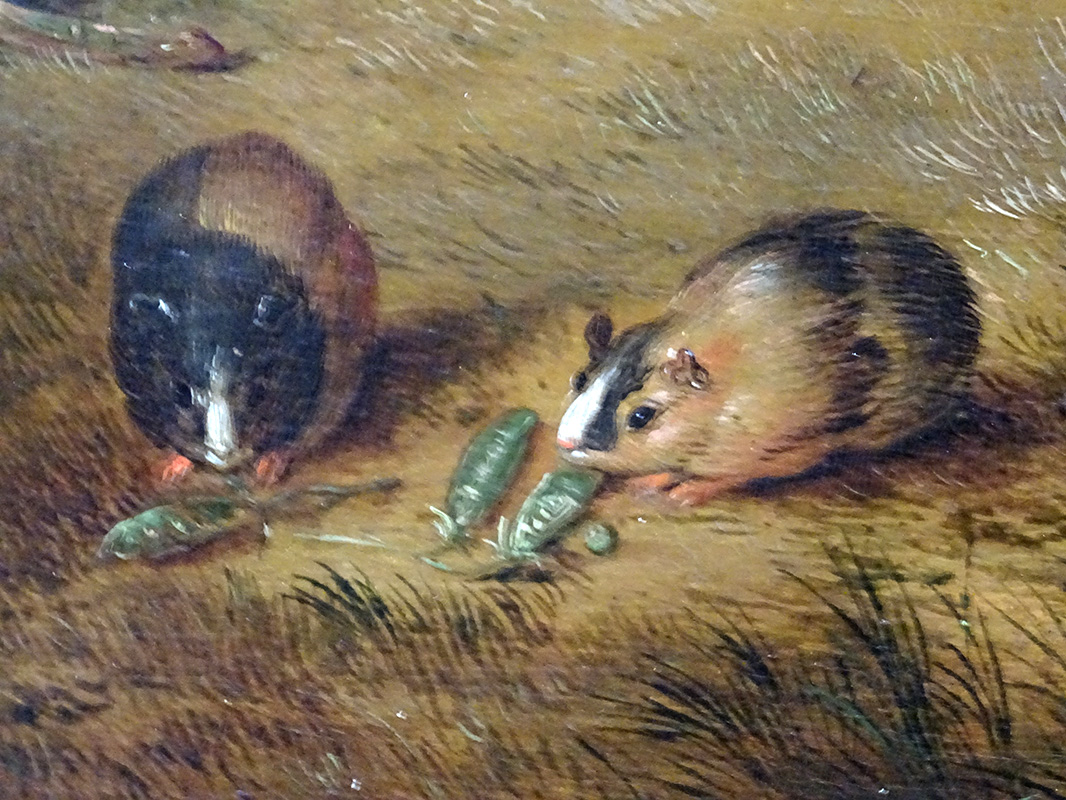
The cuy (Cavia porcellus), also known as guinea pig or cavy, is a rodent mammal native to the Andean region of South America. This small animal transcends the role of a simple pet, representing a unique bridge between ancestral traditions and modern life.
To fully understand the identity of the cuy, it is essential to know its ancient history, its distinctive features, and the dual role it plays in different cultures worldwide. Domesticated approximately 7,000 years ago by pre-Columbian cultures, the cuy maintains a special relationship with humans that few animals can equal.
The cuy is much more than a rodent: it is an animal with a rich cultural history that connects ancient traditions with modern life, serving as both an Andean cultural treasure and a beloved companion in homes around the world.
Origin and Scientific Classification
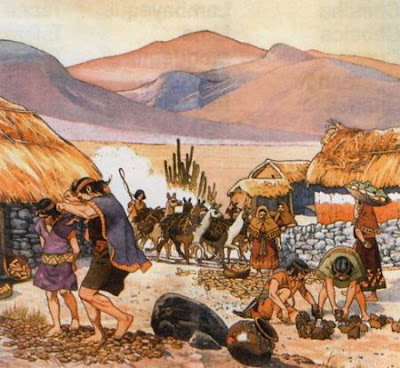
The cuy originates from the highlands of the South American Andes, specifically from the mountainous regions of countries such as Peru, Bolivia, Ecuador, and Colombia. Its name comes from the Quechua word “quwi,” and its presence in these lands dates back to pre-Inca times, when it was domesticated by cultures that recognized its nutritional and ritual value.
📋 Full Taxonomic Classification
| Taxonomic Category | Classification |
|---|---|
| Kingdom | Animalia |
| Phylum | Chordata |
| Class | Mammalia |
| Order | Rodentia |
| Family | Caviidae |
| Genus | Cavia |
| Species | Cavia porcellus |
The cuy belongs to the family Caviidae, making it more closely related to other South American rodents such as capybaras and chinchillas than to common mice or rats.
Distinctive Physical Characteristics
🔍 Want to see what the cuy looks like?
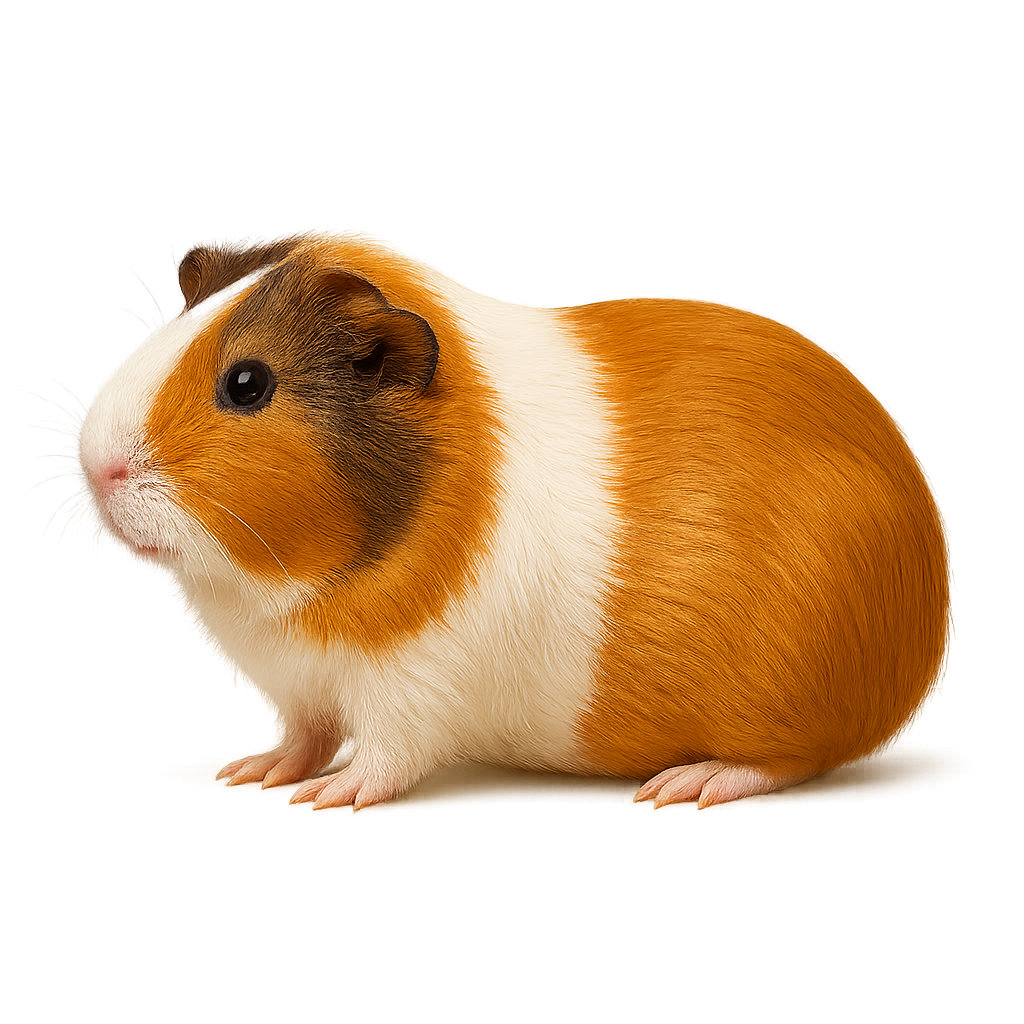
The cuy has unique traits that make it easily recognizable and distinguish it from other rodents. Its compact morphology and distinctive features are the result of thousands of years of domestication and adaptation.
⚖️ Morphology and Measurements
• Weight: 700–1200 g
• Robust compact body
• No visible tail
• Three toes on hind legs
• Long sensitive whiskers
• Small rounded ears
• Coat with varied colors
• Textures from smooth to curly
• Calm movements
Its coat may vary greatly in colors and textures, from short smooth hair to long or curly varieties, although the latter are a result of recent human selection. Its chubby appearance and calm movements make it unmistakable.
Behavior and Temperament
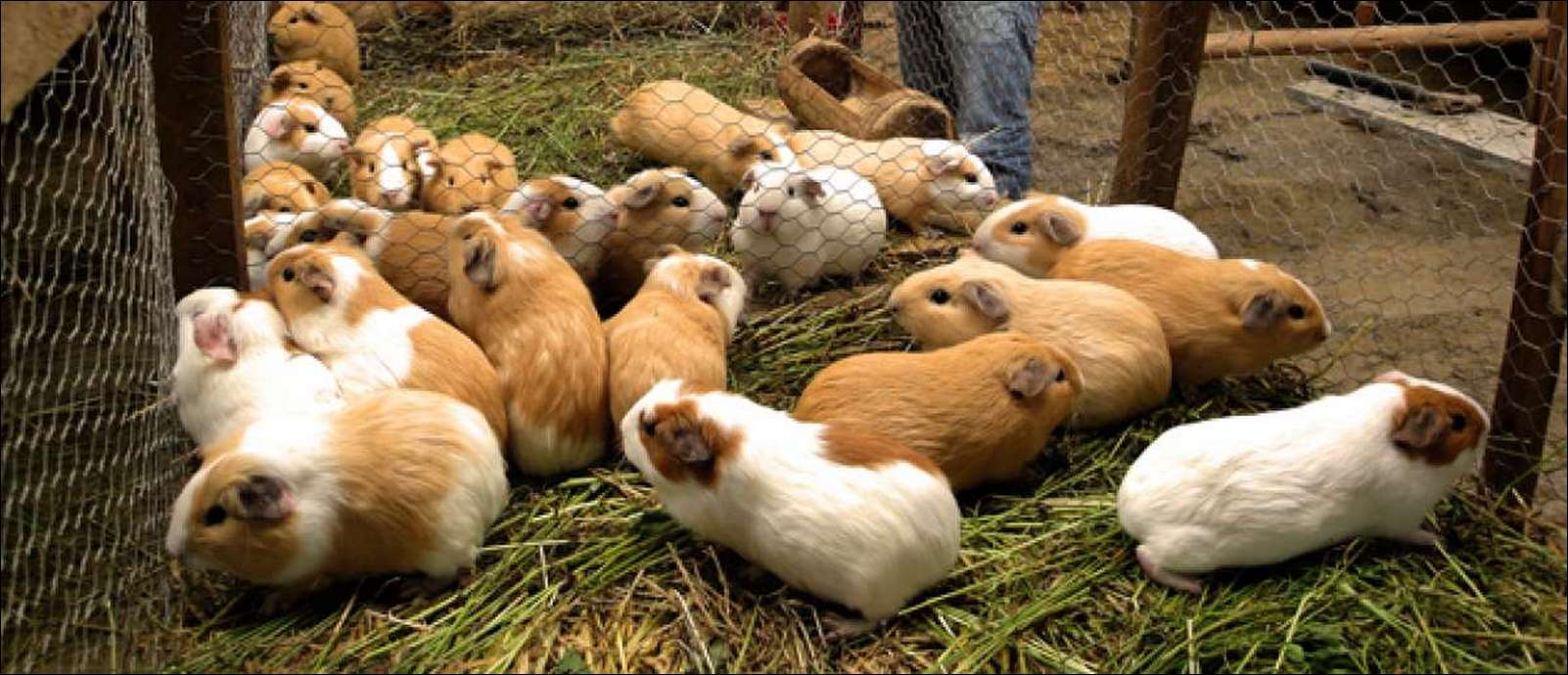
The cuy exhibits distinctive behavior that defines it as a species and explains its success both as a companion animal and in its traditional Andean role.
🎵 Main Behavioral Traits
Unique physiological trait: Like humans, the cuy cannot synthesize vitamin C and must obtain it from food.
Differences with Other Rodents
Although it belongs to the order Rodentia, the cuy has traits that set it apart from more familiar rodents:
• Origin: Andes, South America
• Behavior: Very social, docile
• Mobility: Not agile, does not climb
• Diet: Strict herbivore
• Human relation: Fully domesticated
• Origin: Various world regions
• Behavior: More independent
• Mobility: Very agile, good climbers
• Diet: Mostly omnivores
• Human relation: Often wild, variable
Conclusion: While both are rodents, the cuy and common rodents share very few similarities in behavior, biology, or care needs.
Dual Cultural Significance

The cuy holds a unique place in cultural history, playing entirely different roles depending on the region and culture:
🌄 In Andean cultures vs 🌍 In the Western world
• Sacred element in ancestral rituals
• Used in traditional medicine and diagnostics
• Symbol of abundance and prosperity
• Represented in pre-Columbian ceramics and textiles
• Integral part of festivals
• Therapy and emotional support animal
• Scientific research subject
• Symbol of gentleness
• Easy to care for
• Capable of strong interaction with humans
This cultural duality makes the cuy extraordinary: respected as cultural heritage and a source of identity in the Andes, while loved as a household companion in the rest of the world.
Millenary History of the Cuy
🏺 Domestication Timeline
This chronology shows that the cuy was one of the first animals domesticated in South America, even before the llama and alpaca.
The Unique Essence of the Cuy
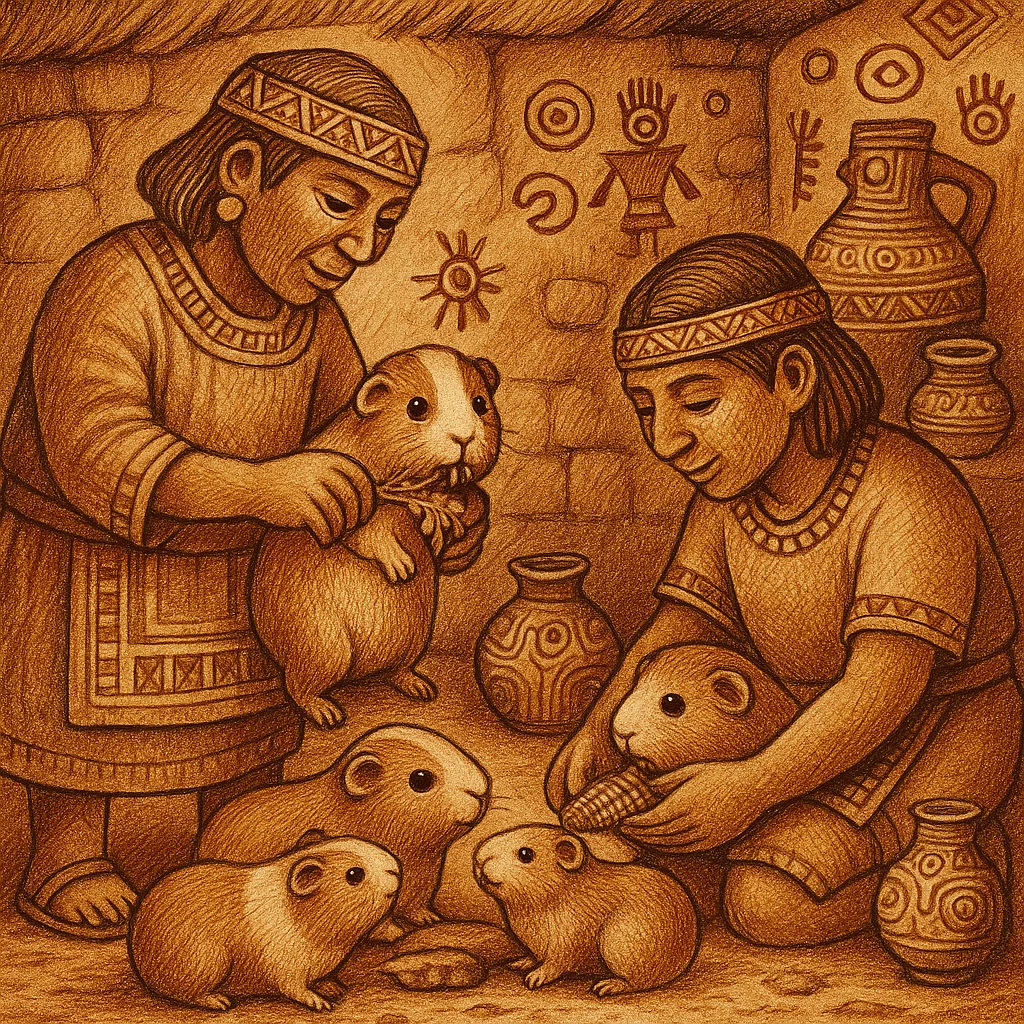
The cuy represents a unique convergence of traits that distinguish it within the animal kingdom:
🌟 Unique Features
This small Andean mammal continues to be an important link between past and present, showing how an animal can preserve its cultural identity while adapting to new roles in modern society.
The Cuy Today: Preservation and Future
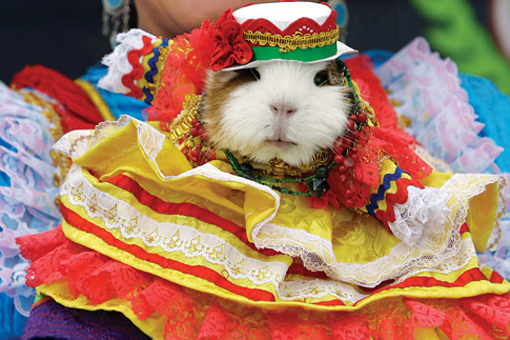
🌍 Current Global Distribution
| Region/Continent | Main Role | Status |
|---|---|---|
| South American Andes | Cultural heritage and traditional food | Native and protected |
| North America | Popular household pet | Widely accepted |
| Europe | Companion animal and research | Regulated and protected |
| Asia | Emerging exotic pet | Growing popularity |
| Oceania | Family companion | Well established |
🏥 Contributions to Modern Science
Contemporary Challenges
Current challenges for cultural preservation:
• Gradual loss of traditional knowledge about breeding
• Rural-to-urban migration affecting ancestral practices
• Need to balance tradition with modern animal welfare
• Education of new generations about its heritage value
🌟 Preservation Initiatives
Fortunately, various efforts aim to keep the cuy tradition alive:
The cuy: living heritage of humanity
The cuy transcends conventional categories of domestic animals. It is both a living testimony of ancestral Andean wisdom and a global ambassador of humanity’s ability to form deep bonds with other species.
Preserving, caring for, and valuing the cuy means honoring both our past and our shared future.