


Ideal Habitat
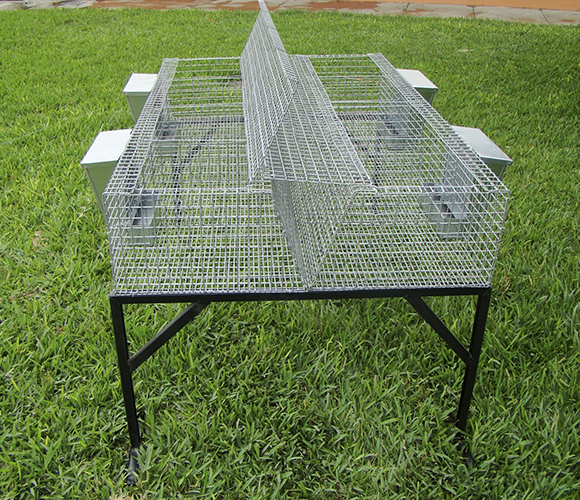
Guinea pigs need a spacious, safe, and stimulating environment to stay healthy and happy.
Housing requirements:
- Minimum cage size: 120 × 60 × 45 cm per individual
- Bedding: Untreated wood shavings or recycled paper pellets
-
Essential accessories:
- Sleeping house (wood or plastic)
- Water bottle
- Heavy food bowl (to avoid tipping)
- Chew toys (untreated wood)
- Ideal temperature: 18°C to 24°C
- Avoid: Drafts, excessive humidity, and direct sunlight
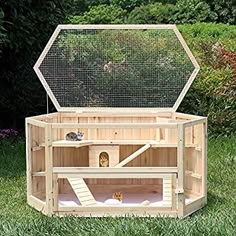
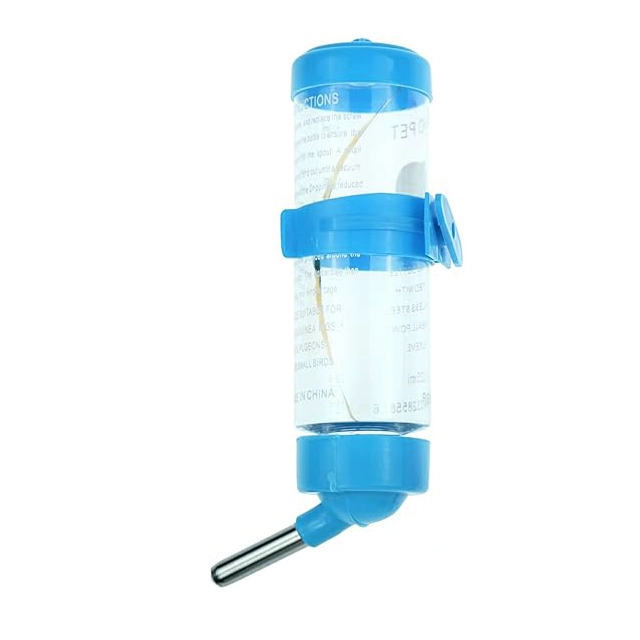
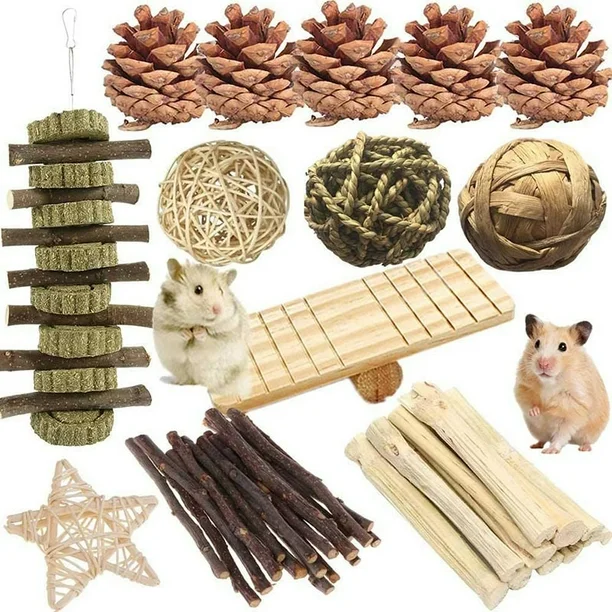
Environmental enrichment:
| Element | Benefit | Examples |
|---|---|---|
| Tunnels and hiding places | Reduce stress and provide security | Cardboard tubes, houses, fabric tunnels |
| Platforms | Encourage exercise and exploration | Ramps, low levels |
| Toys | Prevent boredom and behavioral issues | Wicker balls, chew toys |
| Time outside the cage | Exercise and socialization | Safe area to explore (1–2 hours daily) |
Social Behavior
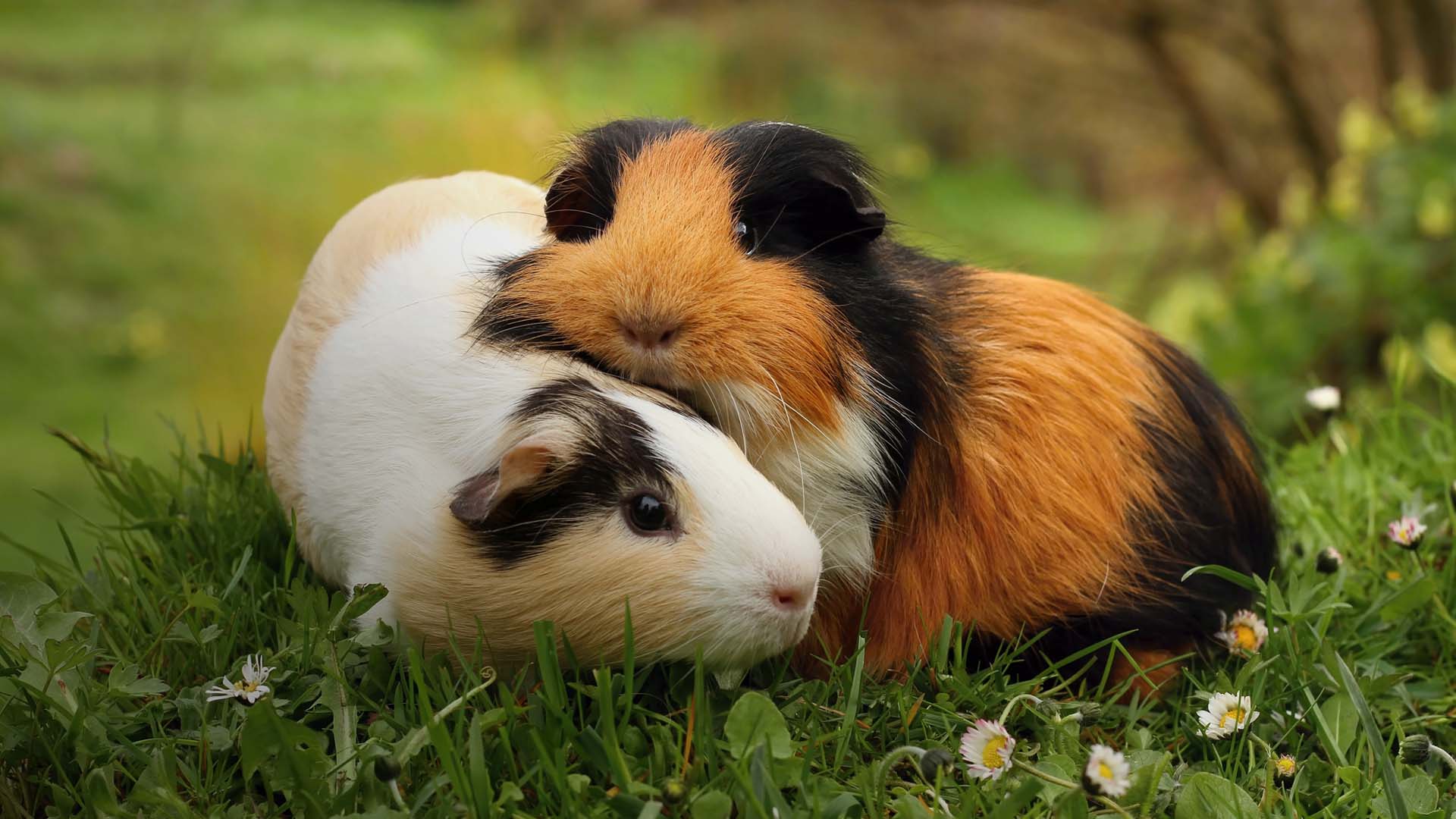
Guinea pigs are extremely social animals that need companionship for their emotional well-being.
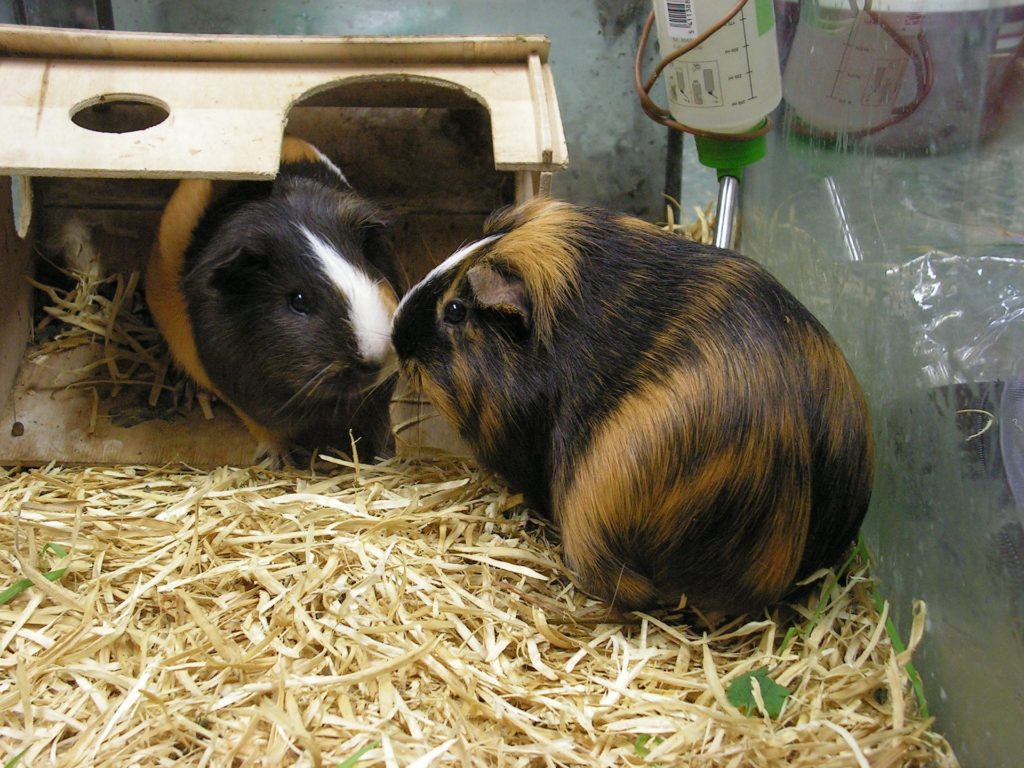
Socialization options:
- Same-sex pair: Ideally two females (less territorial)
- Group: Multiple females or females with a neutered male
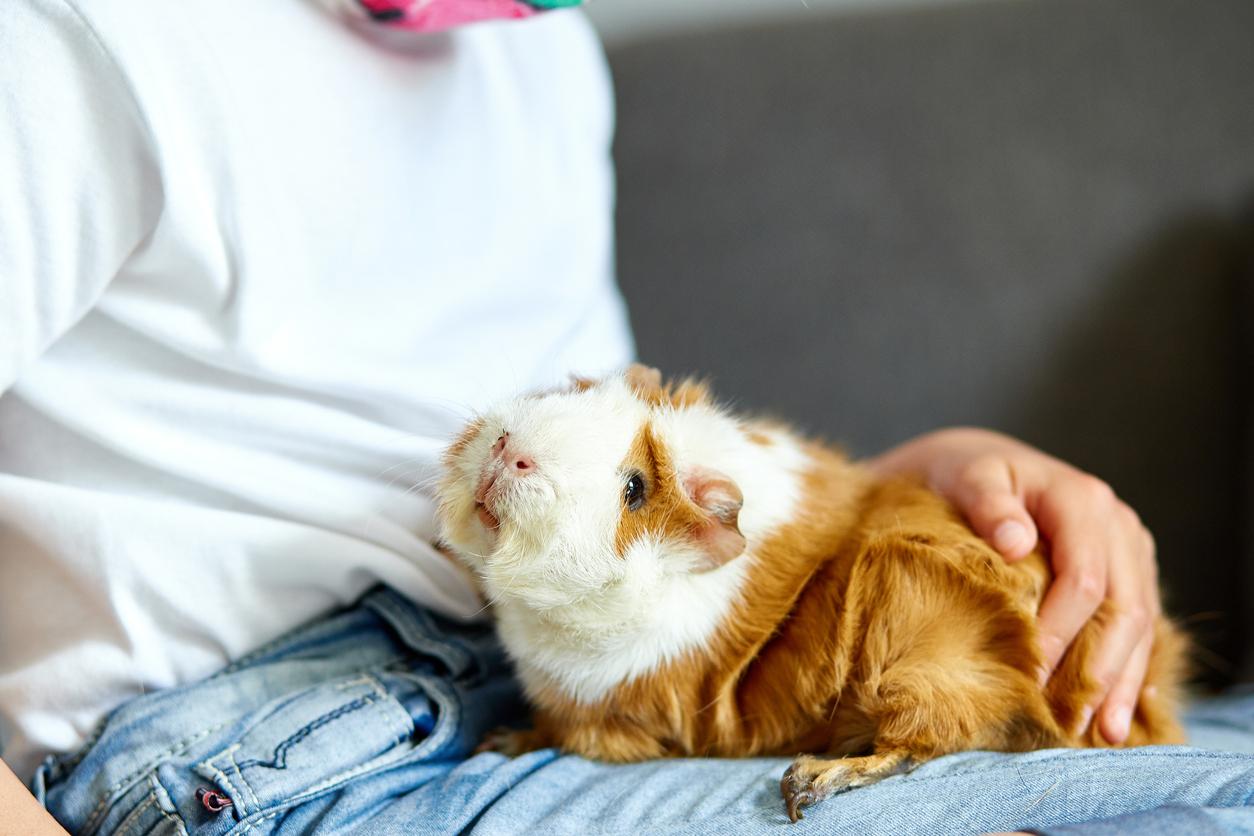
- Human-only: Requires at least 2–3 hours of daily interaction
Signs of loneliness stress:
Hygiene and Health
A proper cleaning routine prevents diseases and keeps your guinea pig healthy.
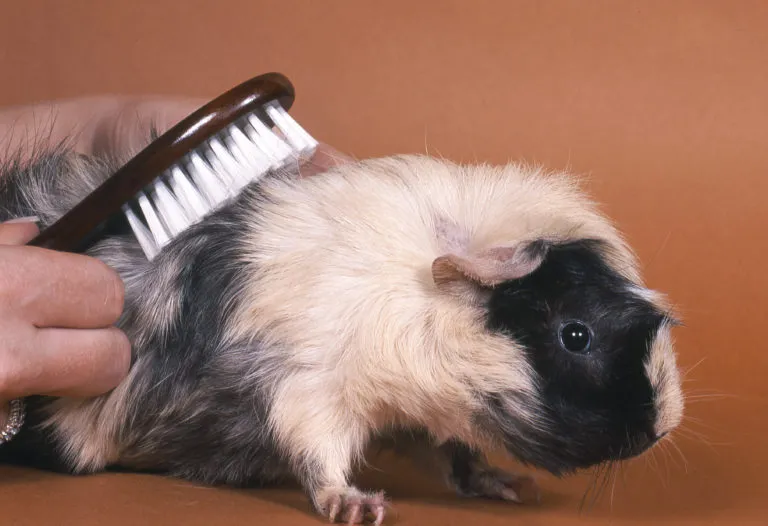
Regular brushing is especially important for long-haired guinea pigs but also benefits short-haired ones by removing loose hair and stimulating circulation. Always use a soft brush made for small rodents.
Cleaning routine:
| Element | Frequency | Details |
|---|---|---|
| Bedding change | Partial: every 2–3 days Total: weekly |
Remove wet areas daily |
| Cage cleaning | Weekly | With diluted vinegar or specific products |
| Full bath | Only when necessary | Rodent shampoo, lukewarm water, complete drying |
| Brushing | Short: 1–2 times/week Long: Daily |
Soft brush, special for long hair |
Health care:
- Vet check-ups: Every 6–12 months (exotic pet specialist)
- Nail trimming: Every 4–6 weeks
- Dental control: Teeth grow continuously, need natural wear
- Warning signs: Weight loss, eye/nose discharge, breathing difficulty, stool changes
Balanced Nutrition
A guinea pig’s diet must be rich in fiber and vitamin C, which they cannot synthesize on their own.
✅ Recommended Foods
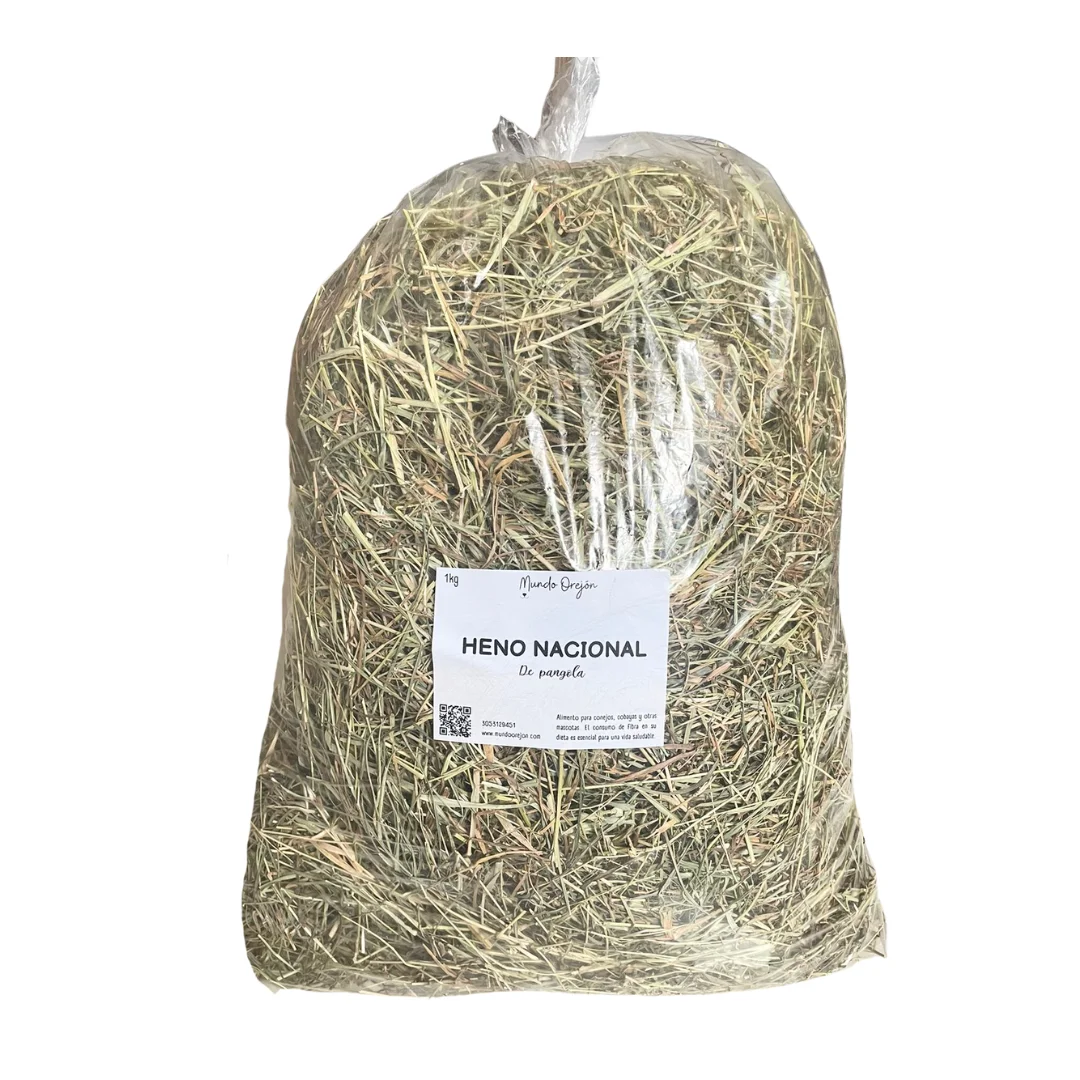
🌾 Hay (70% of diet)
- Must be available 24/7
- Timothy, oat, orchard grass
- Helps dental wear and digestion
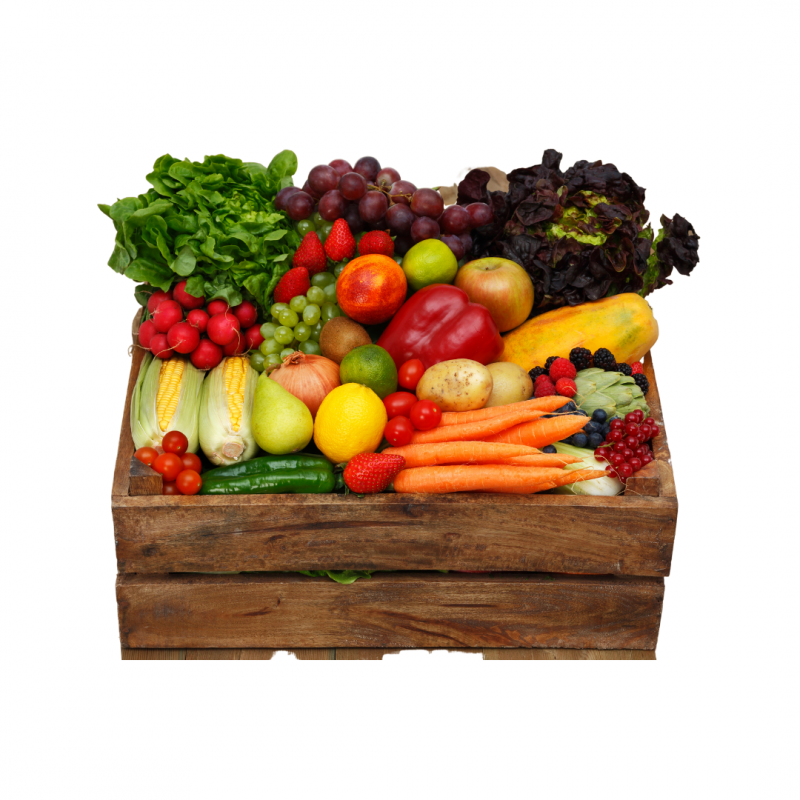
🥬 Fresh vegetables (20%)
- Rich in Vitamin C: Red/green bell pepper, parsley, broccoli
- Leafy greens: Escarole, endive, arugula, dandelion
- Others: Cucumber, zucchini, celery
- 1 cup daily per adult
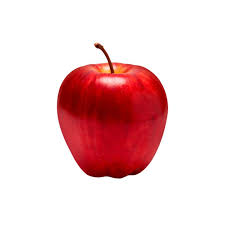
🍎 Fruits (5%, 2–3 times/week)
- Apple (without seeds)
- Strawberries, kiwi, melon
- Small portions (1–2 tablespoons)
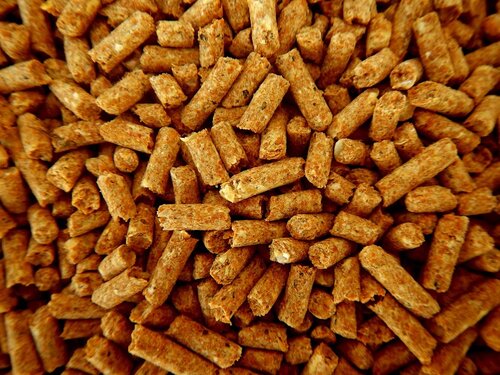
🥕 Specialized pellets (5%)
- Formulated specifically for guinea pigs
- With added vitamin C
- 1/8 to 1/4 cup per day
❌ Prohibited Foods
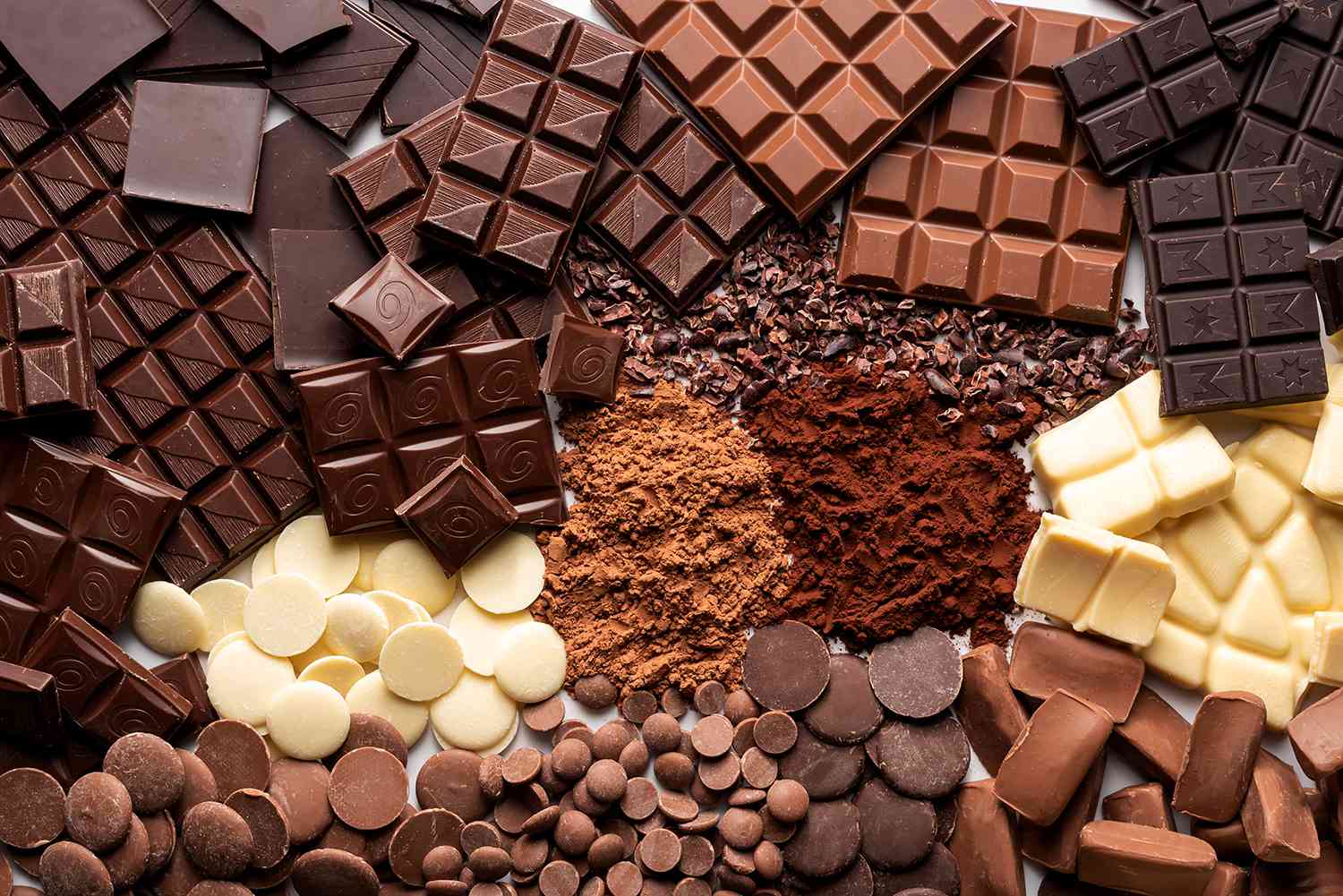
- Toxic: Chocolate, onion, garlic, avocado
- Digestive issues: Iceberg lettuce, cabbage, raw potato
- Not appropriate: Dairy, eggs, meat
- Processed: Bread, cookies, human food
- Others: Seeds/nuts, mushrooms, alcohol, caffeine
Feeding tips:
- Introduce new foods gradually
- Wash fruits/vegetables well
- Remove uneaten food after 4 hours
- Fresh water daily (bottle + bowl)
- Vitamin C supplement if necessary
Frequently Asked Questions about Guinea Pig Feeding
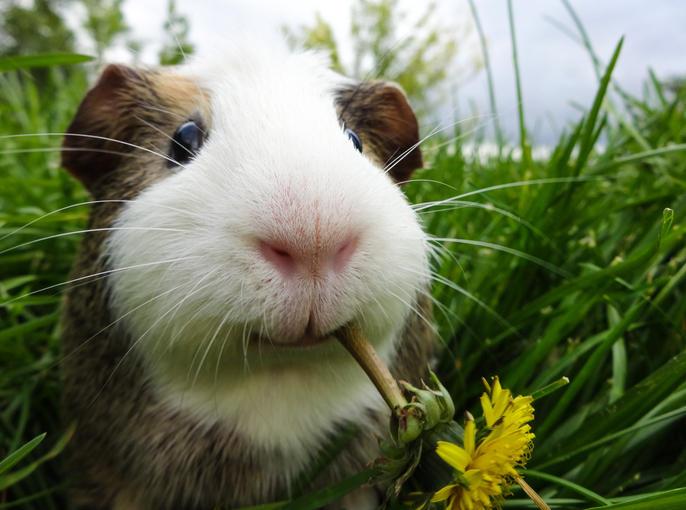
A Lifelong Companion
With proper care, a guinea pig can be a wonderful companion for many years. Give them the love and attention they deserve!
Every moment with your guinea pig will be filled with joy and mutual affection.