Peruvian Sol: Currency of Peru Explained — What Is the Sol?
Planning a trip to Peru? Before you go, it’s essential to understand the local currency. The Peruvian sol (PEN) is used nationwide, and while U.S. dollars are accepted in some places, paying in soles is more practical. In this guide, you’ll find everything you need to manage your money wisely — from exchange rates and safe money exchange locations to useful tips for avoiding scams.
 Lizandro CondeContent Editor5 min read
If you're planning to visit Peru, it's essential to become familiar with its official currency: the Peruvian sol. As a traveler, it's normal to have questions about local money. Many people even Google terms like "Peruvian currency" or "What is the currency of Peru?" before their trip. In this guide, you'll find everything you need to know about money in Peru: its history, current value, how to exchange it safely, the bills and coins in circulation, tips for using cash and cards, monetary policy, comparisons with the dollar and euro, local slang, and recommendations to avoid scams. Let’s dive in!
History of the Peruvian Sol: From the Sol de Oro to the Current Sol
📉 What happened to the Golden Sun?Peruvian monetary history has undergone several changes, especially in recent decades. Until 1985, the official currency was the Golden Sun, a name used since 1863 as a reference to the Inca god Inti (the sun). 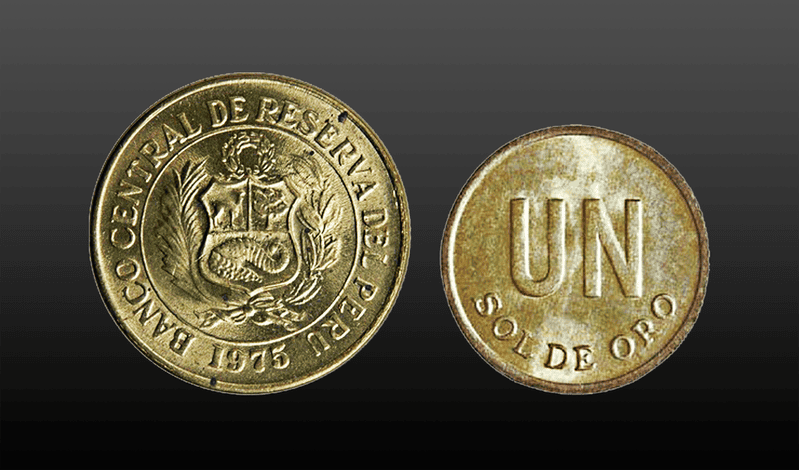 |
📉 Inti is bornIn 1985, amid economic crisis and hyperinflation, the government introduced a new currency called the Inti, replacing the old sol de oro (1 inti = 1,000 soles de oro).However, inflation continued to skyrocket (surpassing 7,000% annually in the late 1980s) and the inti became so devalued that even million-inti banknotes couldn't cover basic needs. 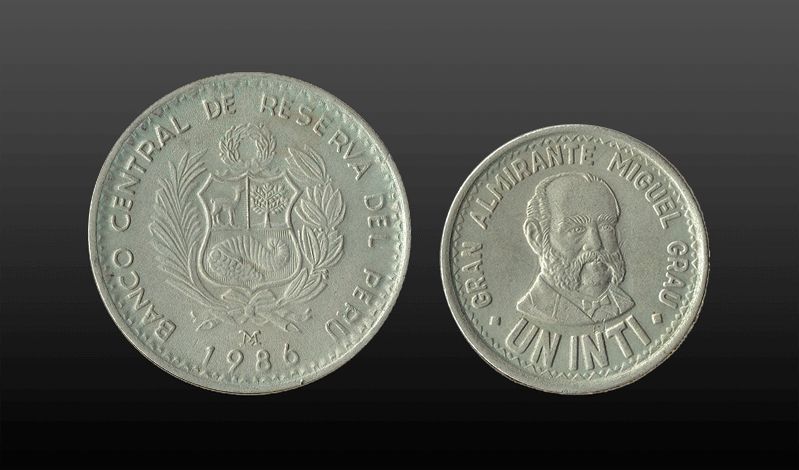 |
🔁The New Sun is Born (S/.)In response, a full monetary reform was implemented in July 1991, introducing the Nuevo Sol (S/.), at an exchange rate of 1 Nuevo Sol = 1,000,000 intis. This “clean slate” approach came with more disciplined economic policies, helping to stabilize prices and restore public trust. The name “Nuevo Sol” was intentionally chosen: sol comes from Latin solidus (meaning solid) and also refers to the Inca sun god, connecting with Peru’s cultural heritage. 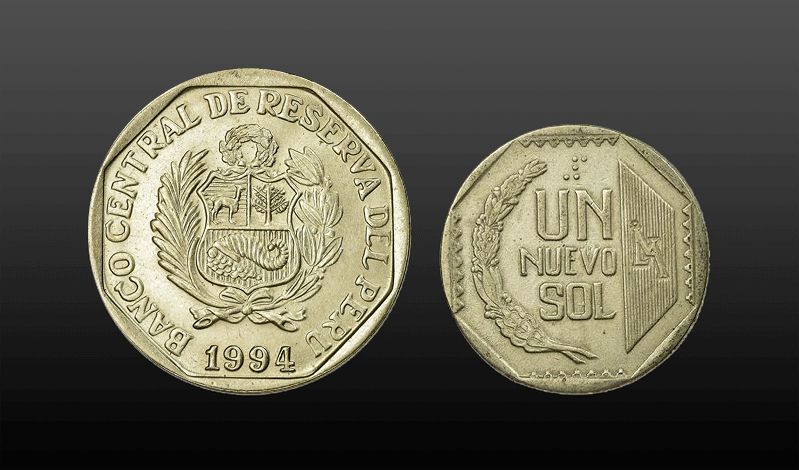 |
🆕From “Nuevo Sol” to simply “Sol”Once the economy stabilized, Congress decided in 2015 to drop the “nuevo” and return to simply calling the currency Sol. Today, the official currency is the Peruvian Sol (PEN), the continuation of the 1991 currency with a simplified name. 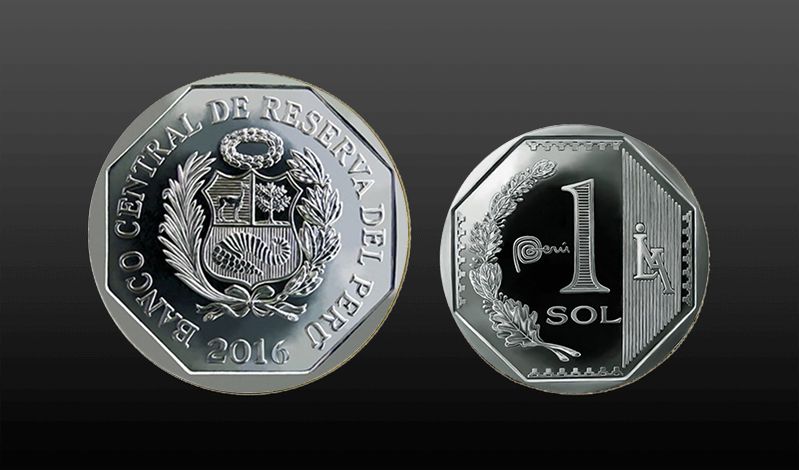 |
Current Value and Economic Stability of the Sol
The Peruvian sol is known for being one of the most stable currencies in Latin America. Since its introduction in 1991, it has maintained low inflation and a relatively stable exchange rate against stronger currencies.
As of May 2023, the sol was recognized as the most stable currency in Ibero-America, with the lowest daily fluctuations compared to its regional peers.
Check today’s exchange rate for the Peruvian sol here |
|---|
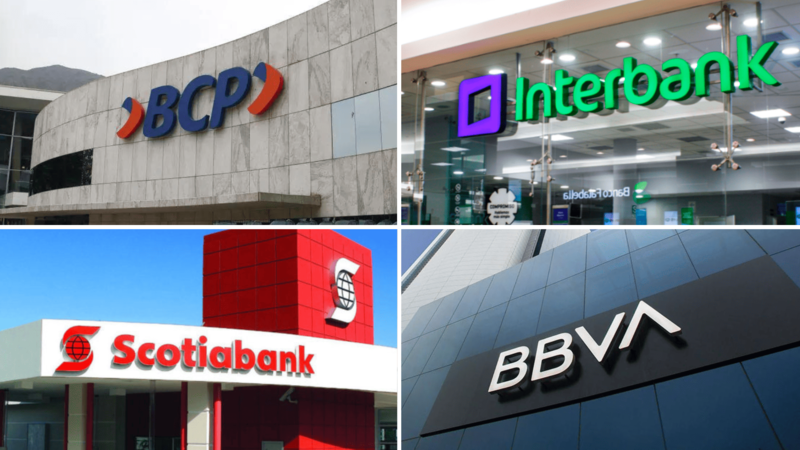
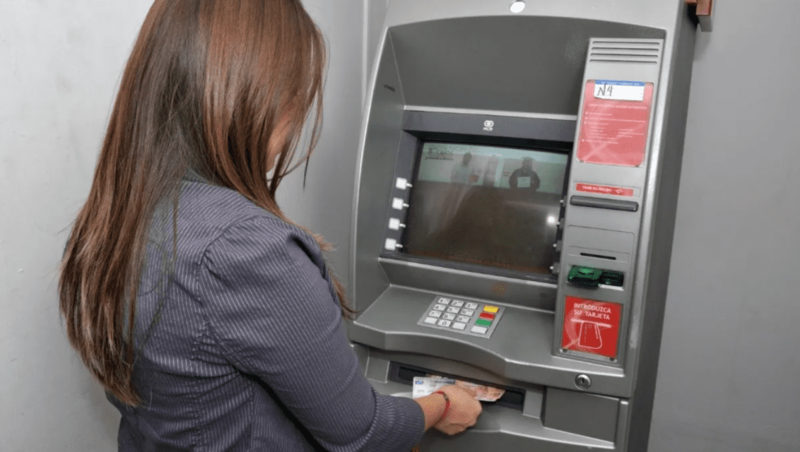
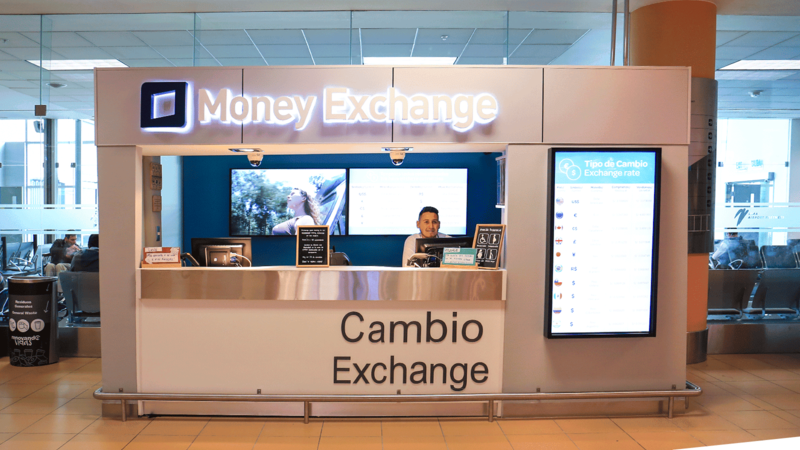
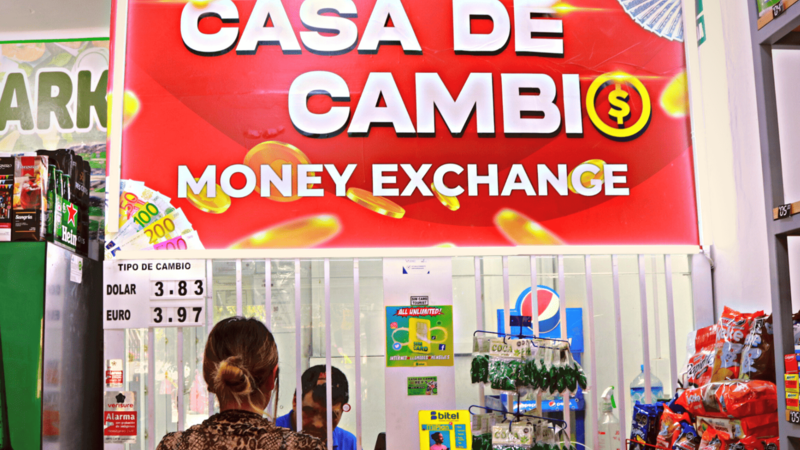
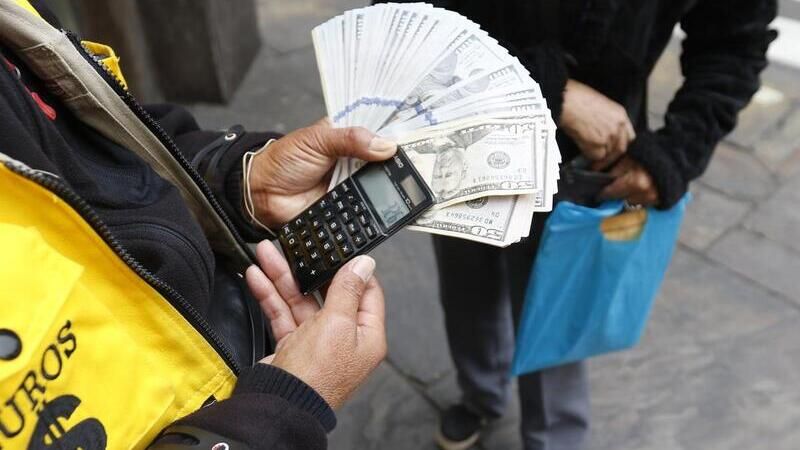
Where and How to Exchange Money Safely in Peru
|  |
 |
|
|  |
 |
|
|  |
💡 Helpful tips:
- Always check the current exchange rate online.
- Exchange small amounts rather than all your cash at once.
- Never accept damaged or suspicious-looking bills.
With these precautions, you can exchange money safely and hassle-free during your trip.
Bills and Coins in Circulation in Peru
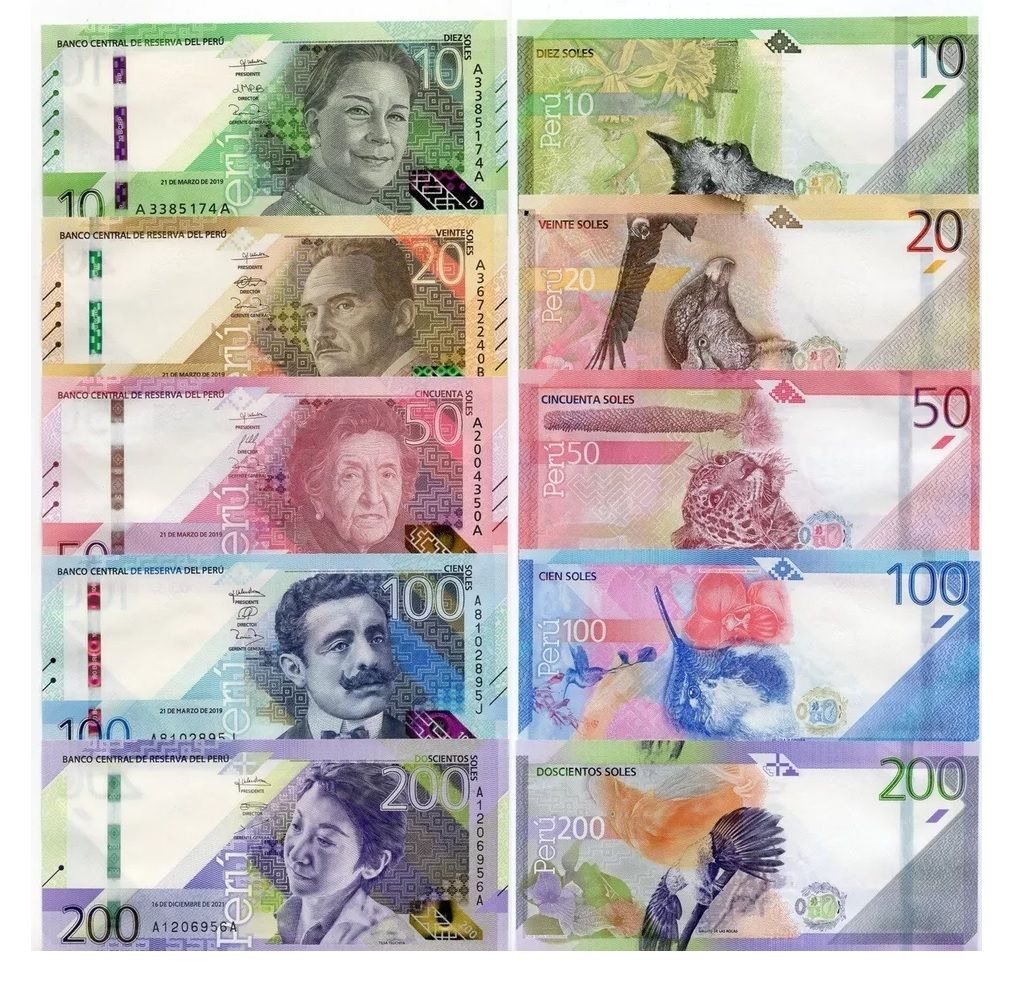
The Peruvian sol (PEN) comes in a variety of denominations used daily across the country. The highest-value bill in circulation is S/200.
New Banknotes (Updated)
- Since 2021, the Central Reserve Bank of Peru (BCRP) has issued a new family of banknotes featuring more modern designs, vibrant colors, and enhanced security features. These banknotes include improvements such as color-shifting inks, new watermarks, advanced textures, and tactile elements. Each denomination incorporates cultural and scientific symbols representative of the country. The updated banknotes currently in circulation are the 10, 20, 50, 100, and 200 soles.
Old Banknotes (Before 2021)
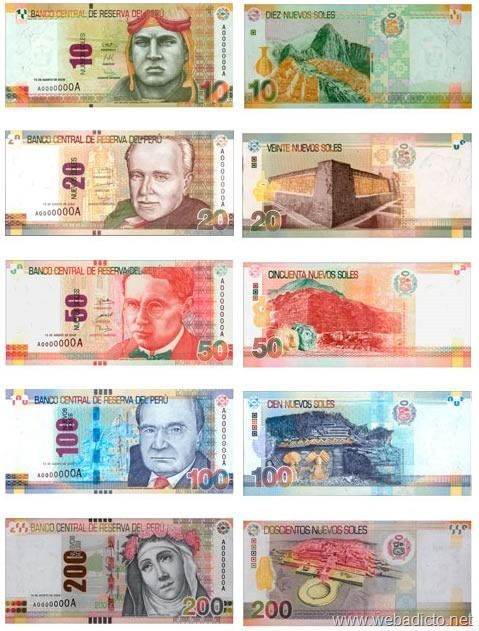
- Before 2021, Peruvian banknotes featured a more classic design, with softer colors and basic security features such as watermarks, security threads, and simple embossing. They depicted historical figures of Peru and were available in denominations of 10, 20, 50, 100, and 200 soles. Although still in circulation, they are gradually being replaced by the new family of banknotes.
Current Coins in Circulation
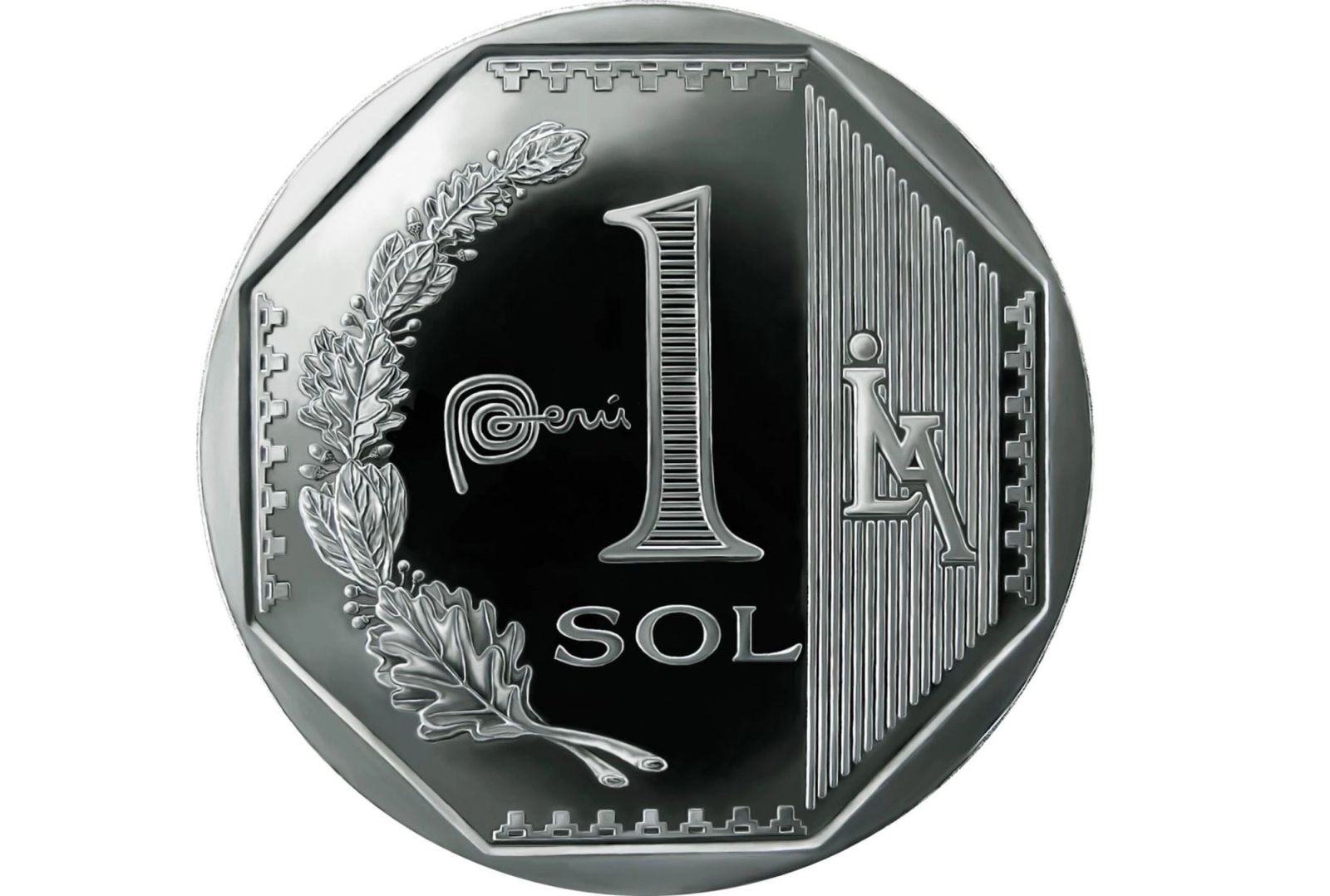
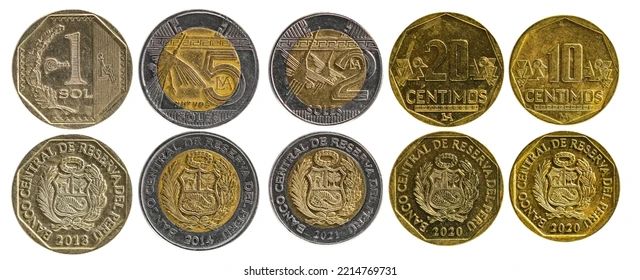
- Currently, coins in denominations of 10, 20, and 50 céntimos, as well as 1, 2, and 5 soles, are in circulation in Peru.
All coins feature the National Coat of Arms on one side, and on the other, the face value, inscriptions such as “Banco Central de Reserva del Perú,” and embossed details.
Some coins also include phrases in Quechua and visual elements that highlight the country’s cultural identity.
Recommendations for Handling Cash and Cards in Peru
- Cash is essential in markets, transport, rural areas, and small shops. Carry small denominations (S/10, S/20, S/50), as many places won't accept S/100 or S/200 bills.
- Cards accepted, but with limits: Visa and MasterCard are widely accepted in hotels, restaurants, stores, and travel agencies. American Express and others are less common. In smaller businesses or rural areas, cash is preferred. Some places charge an extra ~5% fee for card use or require a minimum amount.
- ID and chip cards: Chip-enabled cards work fine. When using a credit card, merchants may ask for your passport or ID to verify ownership.
- Notify your bank: Let your bank know you’ll be in Peru to avoid your card being blocked. Ask about foreign transaction and ATM withdrawal fees. Some ATMs charge S/18–S/25 per withdrawal for foreign cards — withdraw larger amounts less often, but always securely.
- Digital payments: Apps like Yape and Plin are popular locally but require Peruvian bank accounts. Some modern shops may accept contactless or QR payments, but it's not widespread. For tourists, cash and card remain the most practical options.
Conclusion: Bring cash for daily expenses and use your card for larger purchases. This balance gives you both convenience and safety.
Peru’s Monetary Policy: Central Bank, Inflation, and Exchange Rate
Peru’s monetary policy is focused on controlling inflation and smoothing exchange rate fluctuations, which helps maintain a stable economic environment.
For travelers, this means that prices in Peru rarely fluctuate sharply, and the sol remains relatively stable against the dollar and euro. You can plan your trip without fearing sudden price hikes from one month to the next.
The Sol vs. Foreign Currencies (USD, EUR)
- The U.S. dollar is the most commonly used foreign currency in Peru. While widely accepted in tourist areas and large businesses, it’s better to convert it to soles for everyday spending to avoid confusion and unfavorable exchange rates.
- Unlike many Latin American currencies, the sol has not experienced major devaluations against the dollar or euro in recent years.
- The euro can also be exchanged easily in banks and casas de cambio, especially in major cities, but is not commonly accepted as payment. If coming from Europe, bring euros in cash and exchange them as needed.
- Other currencies like pounds, Canadian dollars, or yen can generally be exchanged in Lima, but may not be accepted outside the capital.
💡 Tip: Always bring clean, crisp bills — especially dollars. Torn or heavily worn notes may be rejected. If you have leftover foreign currency at the end of your trip, exchange it before leaving Peru, as soles are usually not accepted abroad.
Colloquial Terms for Money in Peru
Peruvians often use informal slang when referring to money. Here are a few examples:
- Luca: Most common slang for 1 sol. “10 lucas” = S/10. Originates from colonial-era coins with images of kings wearing wigs (pelucas).
- China: Refers to 50 céntimos (half a sol). Originated from an old nickname for a 500,000 intis bill.
- Ferro: Means 10 céntimos. Comes from a devalued train-themed banknote from the early 1900s. “No tengo ni un ferro” = I’m completely broke.
- Plata: Widely used across Latin America to mean money in general. “No tengo plata” = I don’t have money.
- Lucas (plural): Usually refers to soles. “200 lucas” = S/200. In technical or foreign contexts, it might refer to thousands, but not in Peru.
As a tourist, you don’t need to use these expressions — but knowing them helps you follow local conversations more easily!
Tips to Avoid Scams and Bad Exchange Deals in Peru
- Use only official exchange points: Avoid street money changers. Use certified casas de cambio or banks to reduce the risk of scams or fake bills.
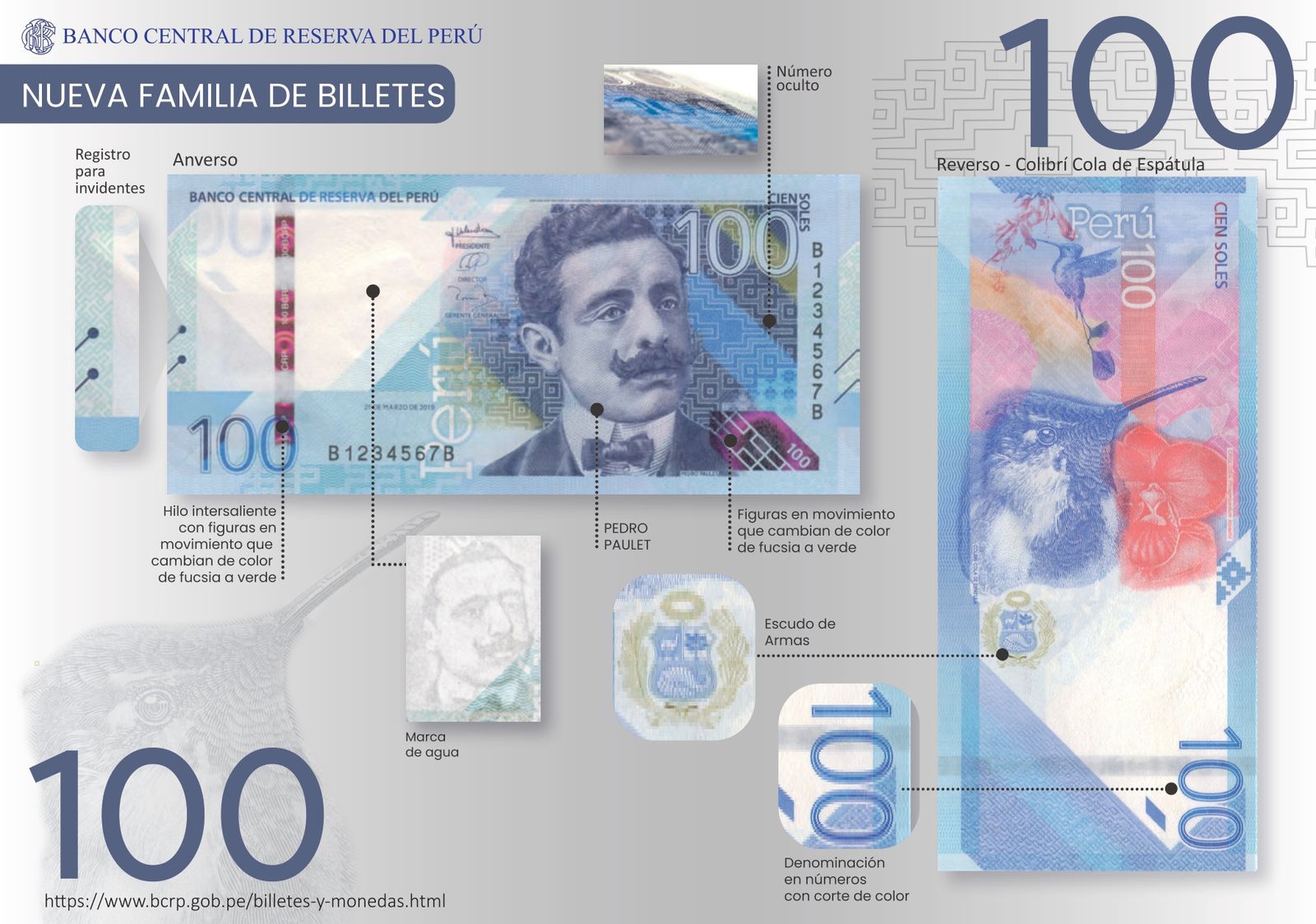
- Check the bills you receive: Feel the texture, look for watermarks, security threads, and color-changing inks. If the bill feels off or looks blurry, ask for a different one.
- Don’t accept damaged bills: Torn, dirty, or taped bills are often rejected by shops or taxis. Always ask for clean bills when exchanging or receiving change.
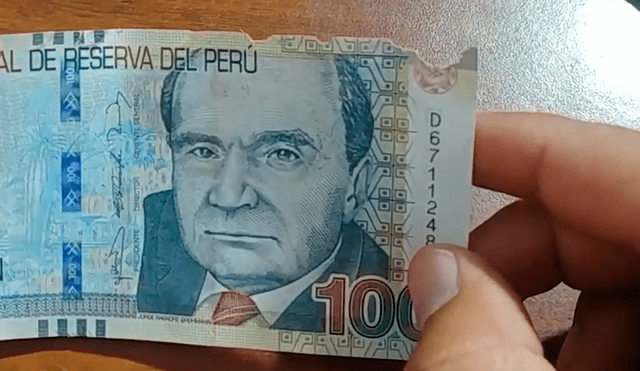
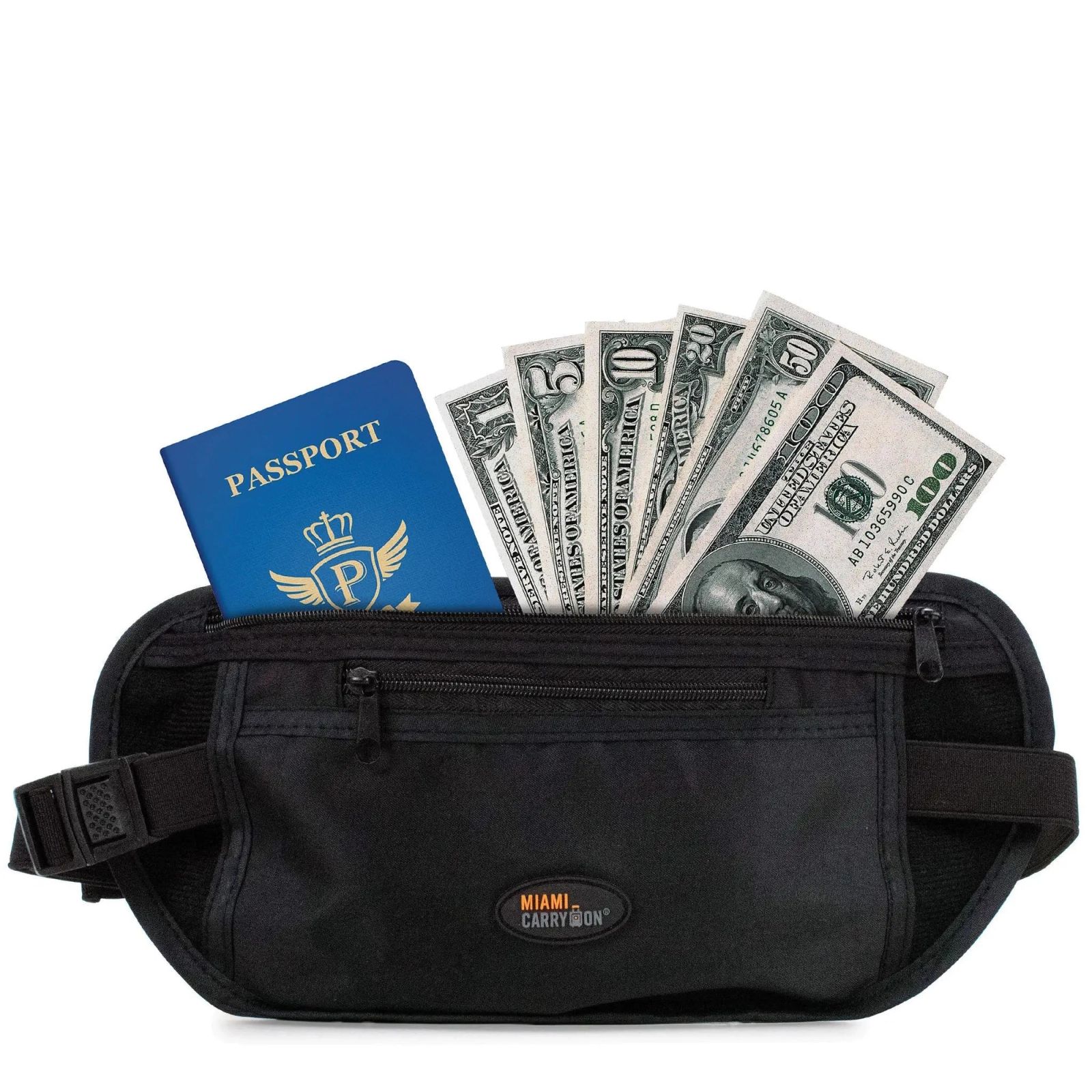
- Protect your cash and valuables: Use a money belt or distribute your cash across safe pockets. Don’t count money in public or flash large bills. Be extra careful in crowded areas like markets and terminals.
- Know the daily exchange rate: Check Google or financial apps before exchanging money so you can recognize a fair rate.
- Don’t rush transactions: Count your money calmly before and after exchanging. When paying in taxis, state the bill’s value aloud ("Here's one hundred soles") to avoid confusion or deceit.
By following these tips, you’ll be able to manage your money in Peru safely and confidently. Most transactions are honest — you just need to apply basic precautions.