


General Morphology
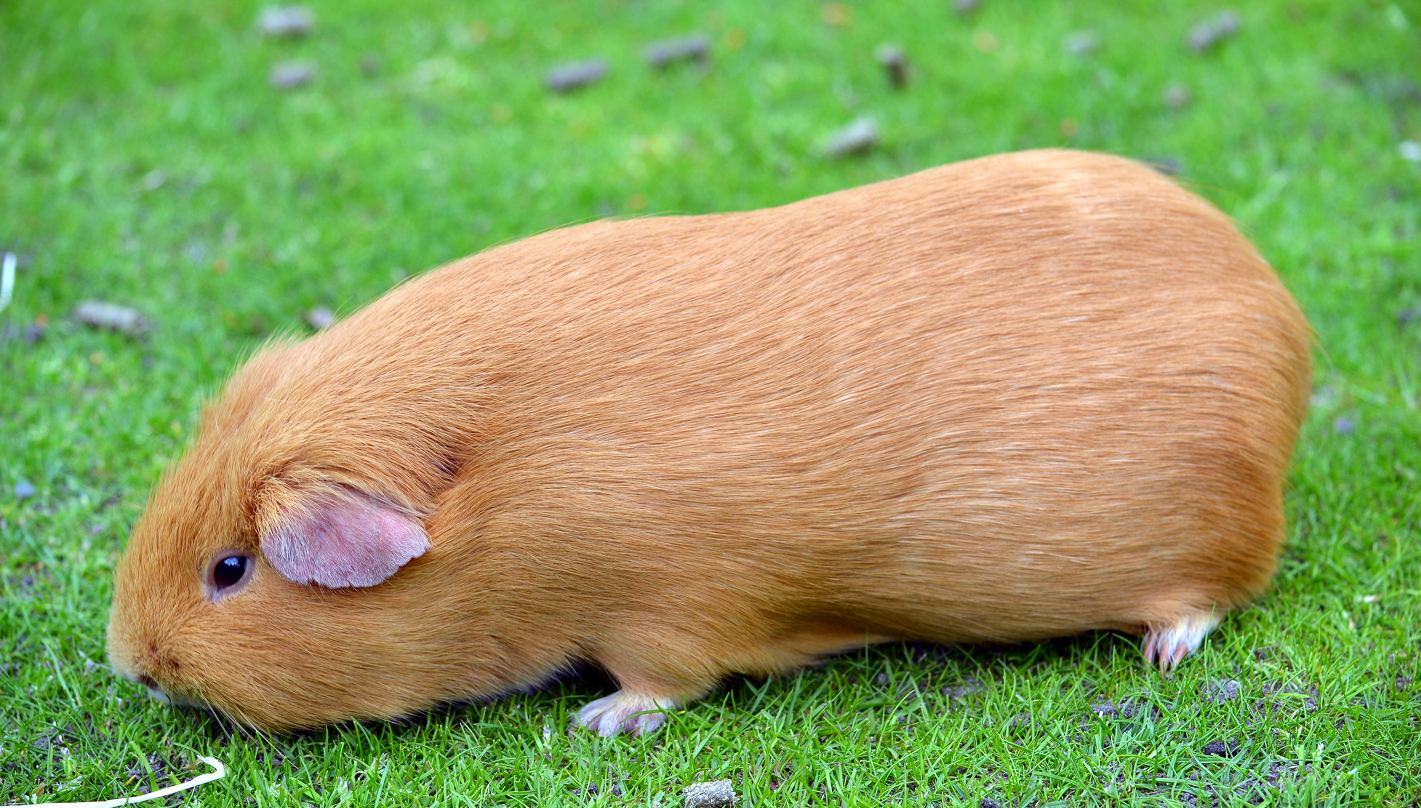
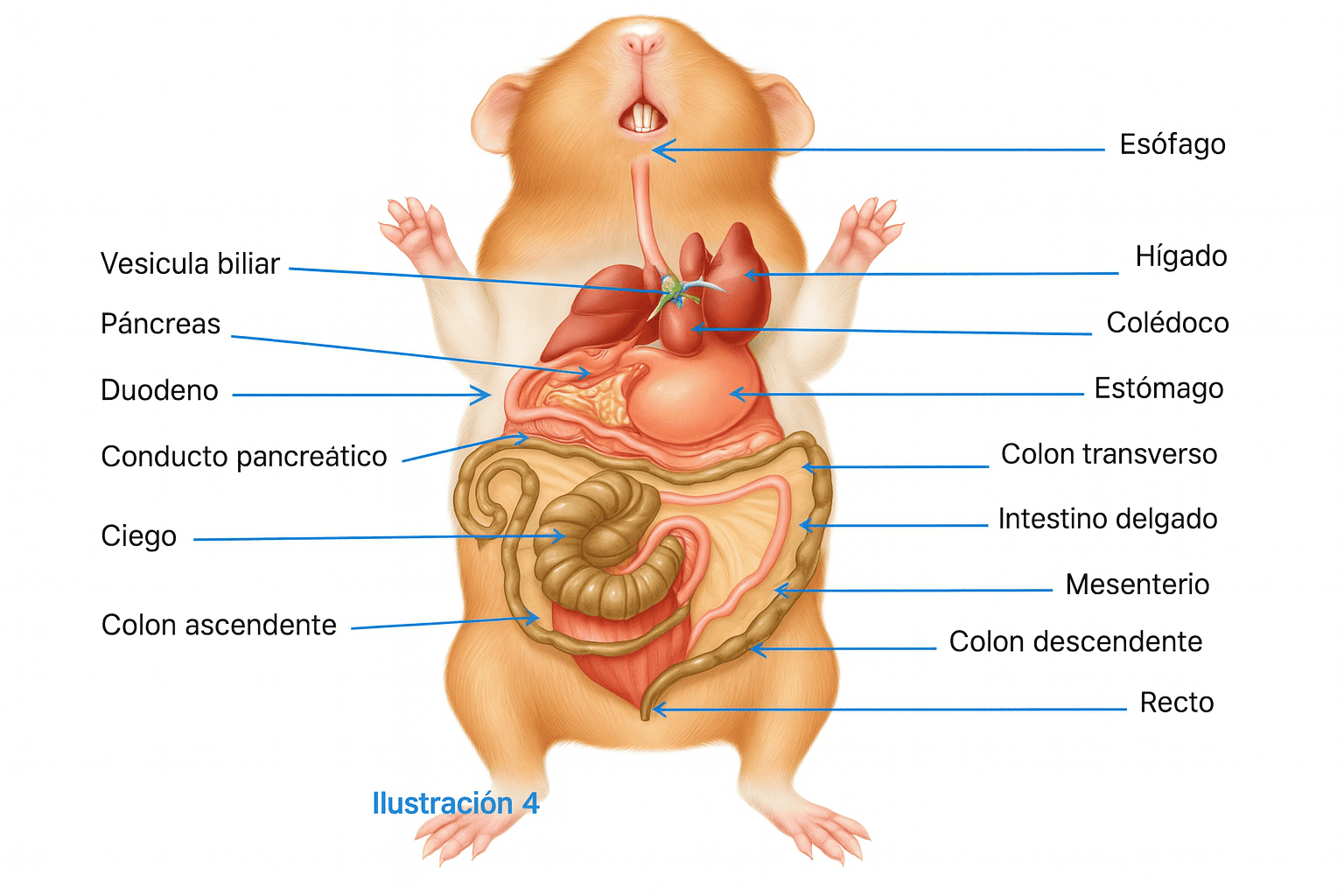
The guinea pig has an elongated and cylindrical body. Their limbs are short, with four toes on the front paws and three on the back ones. Unlike other rodents, they lack an externally visible tail.
Regarding their dimensions, an adult guinea pig can weigh between 850g and 1.7kg, depending on the breed, and measure between 20 and 30 cm in length. Their average body temperature ranges between 39-40°C.
Key anatomical facts:
- Weight: 850g - 1.7kg
- Length: 20-30 cm
- Toes: 4 front / 3 back
- Tail: Externally absent
Head and Senses
Guinea pig senses are adapted for survival in their natural environment. Their round and lively eyes offer a wide field of vision, although with low depth perception.
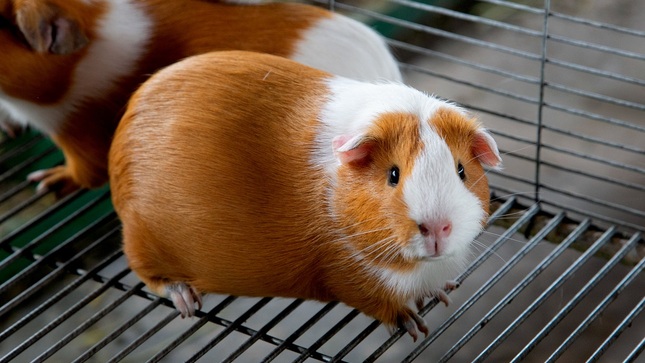
Their ears, small and drooping, give them acute hearing to detect predators. The snout, short and pointed, is equipped with sensitive whiskers that, along with their well-developed sense of smell, allow them to find food and socialize.
Coat and Coloration
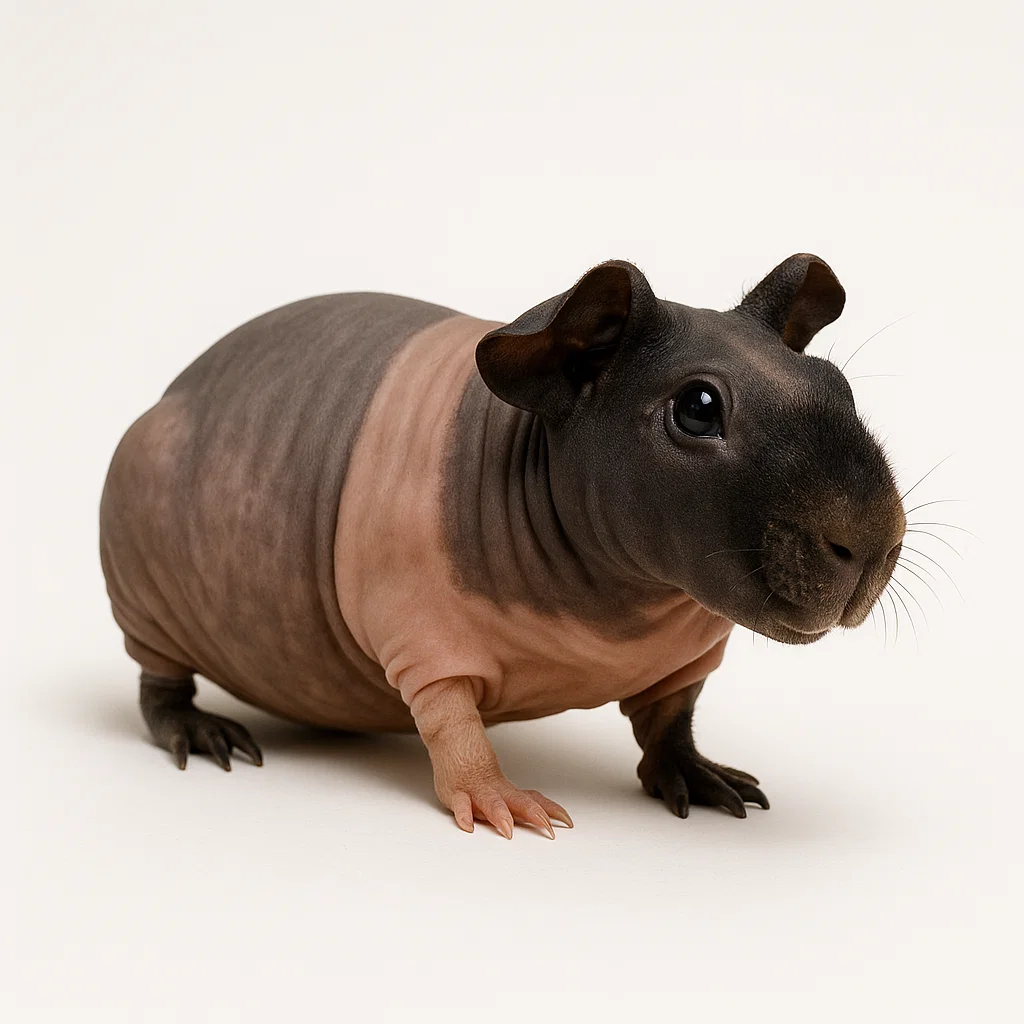
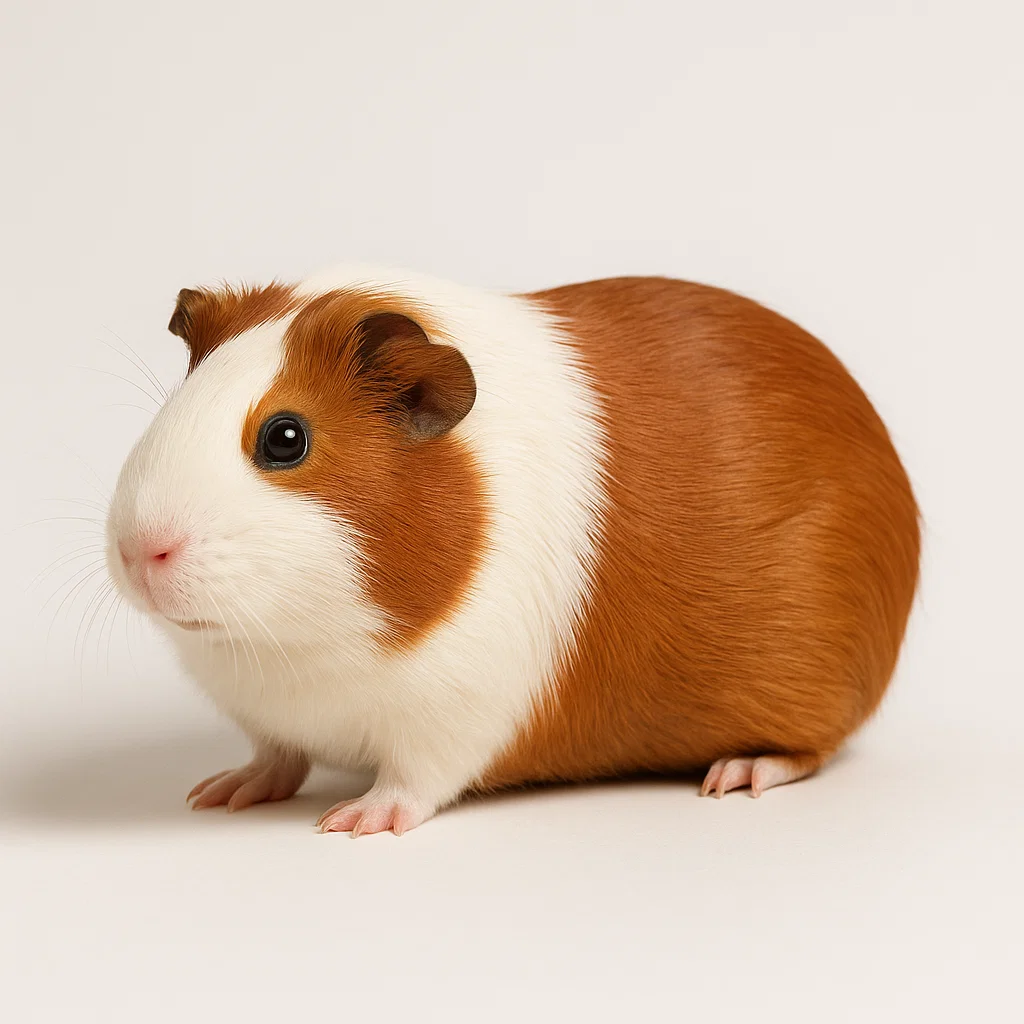
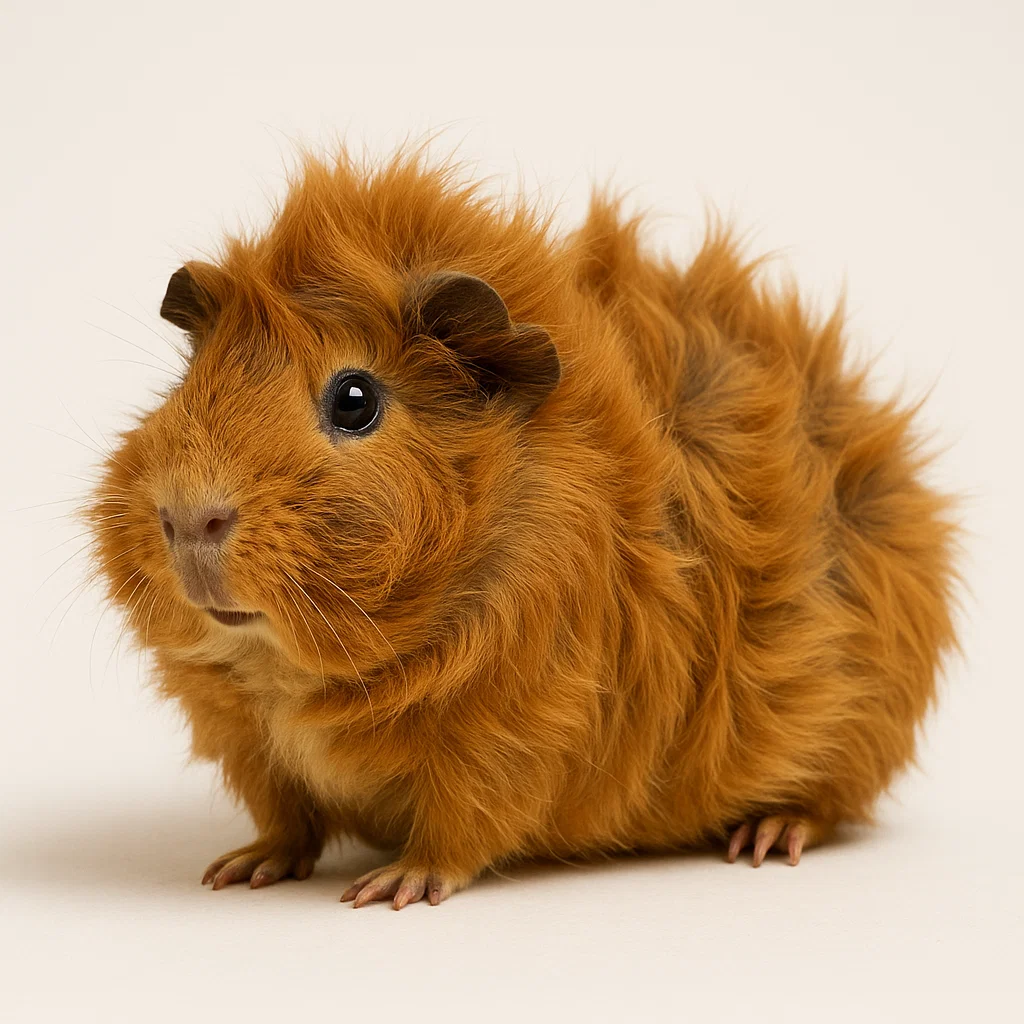
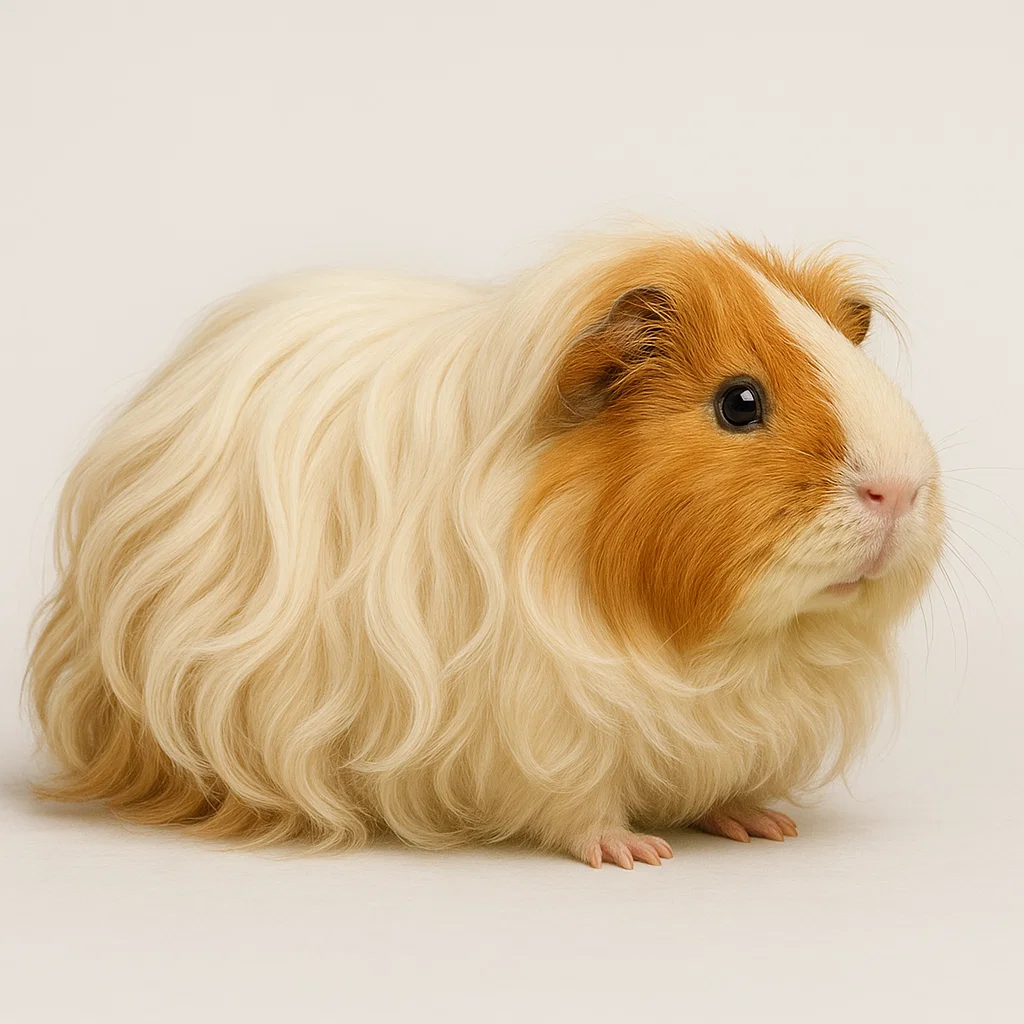
Guinea pig coats show great variety, from the short and smooth of productive breeds to the long and wavy of ornamental varieties. There are also hairless breeds, such as the Skinny and Baldwin.
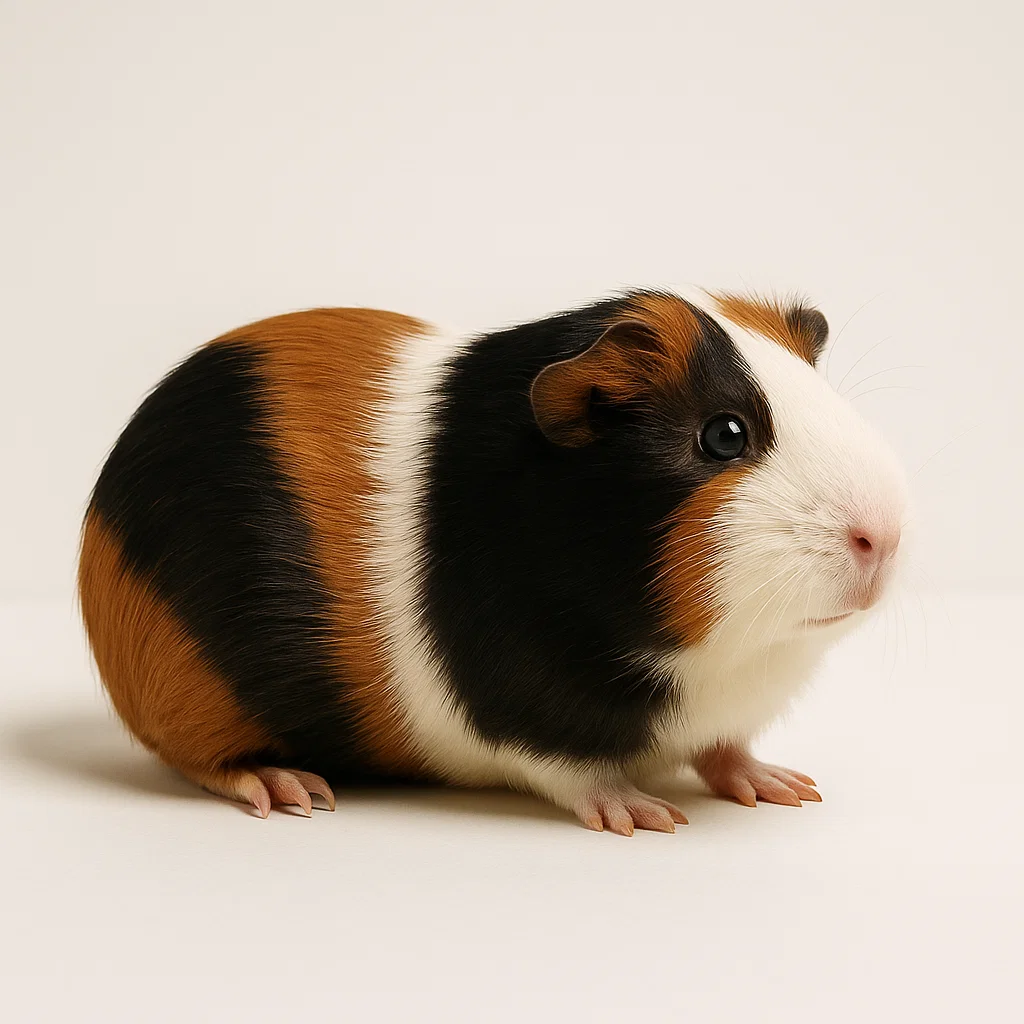
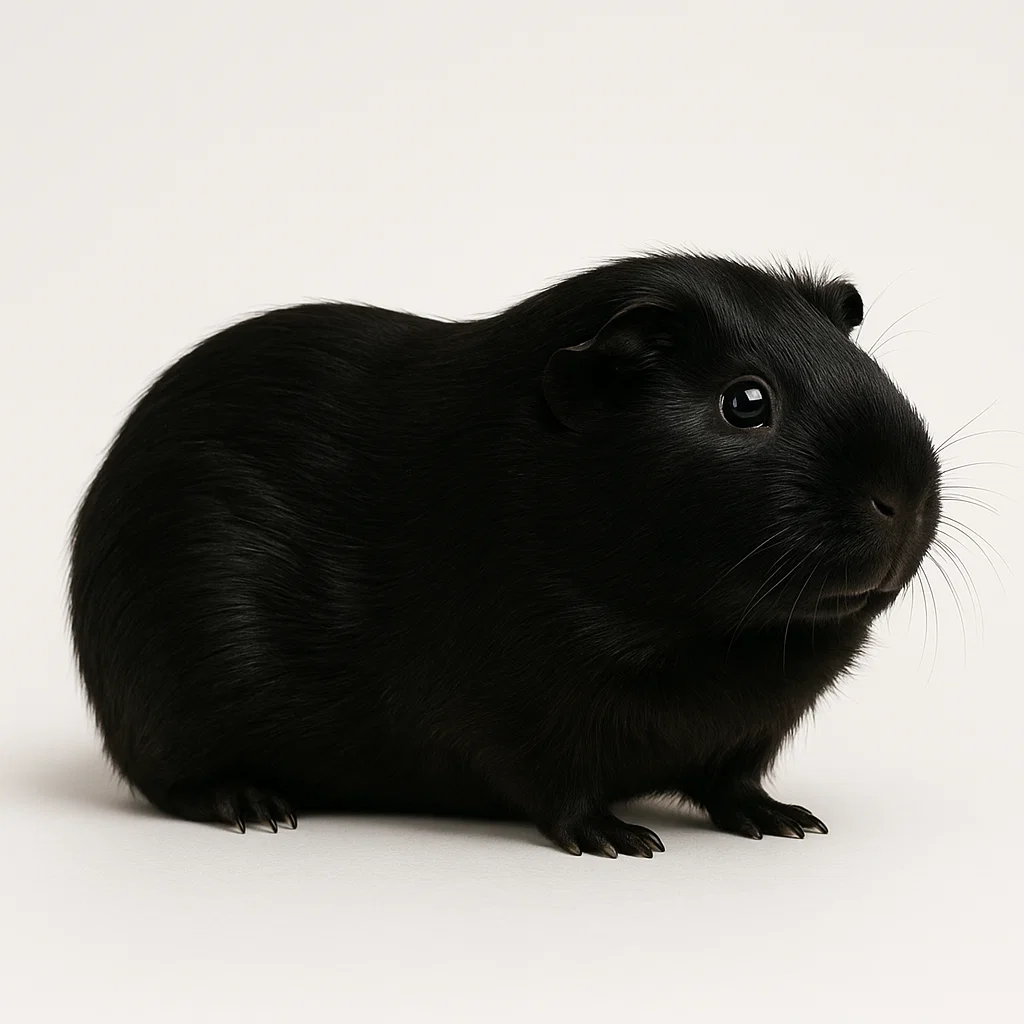
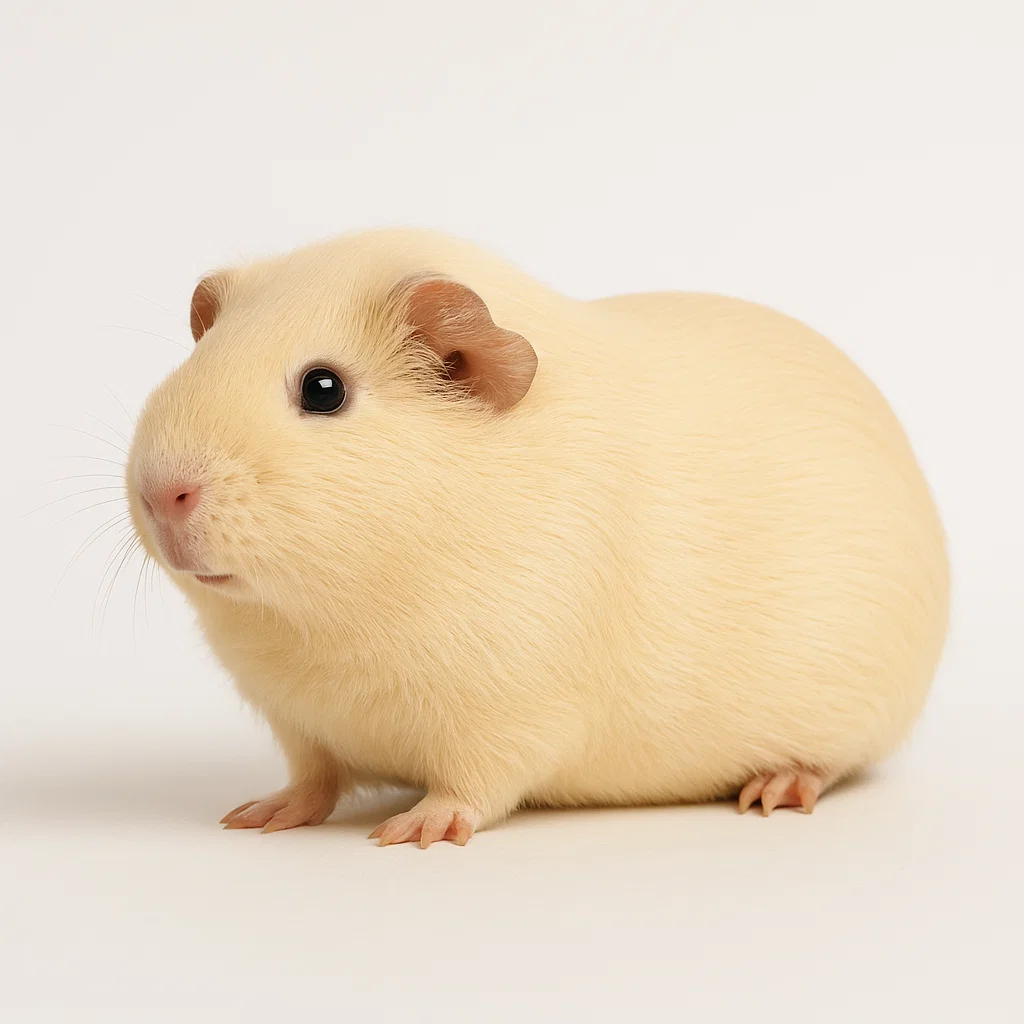
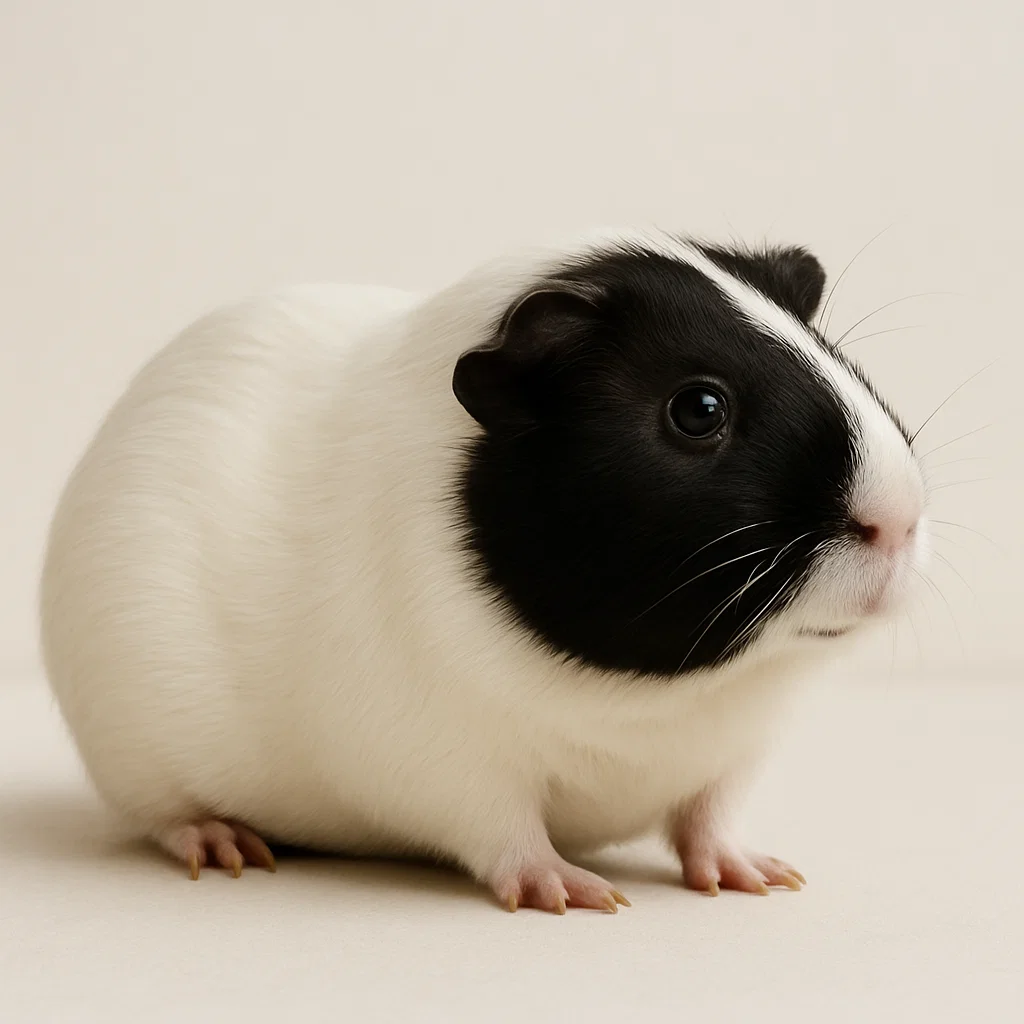
Coloration is also very diverse, including solid patterns (white, black, brown), bicolor, tricolor and specific names like "Moro" (white and black) or "Lobo" (bay and black).
Coat varieties:
- Short and smooth: Common in productive breeds.
- Long and wavy: Ornamental breeds.
- Hairless: Skinny and Baldwin breeds.
- With rosettes: Abyssinian variety.
🎨 Guinea Pig Color Gallery
Dentition and Feeding
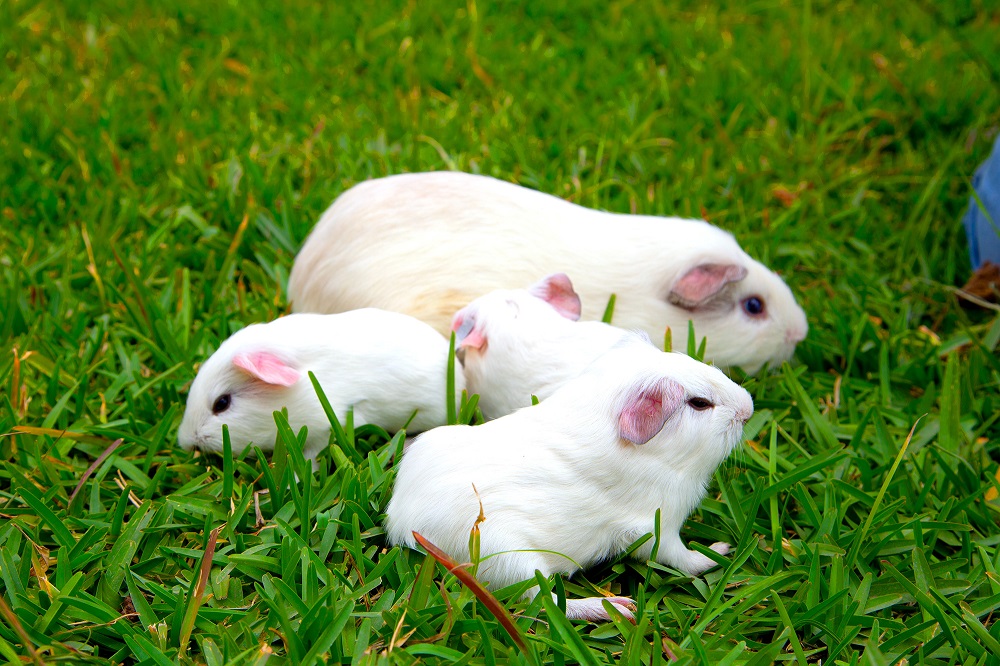
Guinea pig dentition is a vital characteristic of their physiology. They have 20 teeth that grow continuously (1-2 mm per week), which makes a high-fiber diet crucial for their natural wear.
| Characteristic | Description |
|---|---|
| Number of teeth | 20 (continuous growth) |
| Growth | 1-2 mm/week |
| Ideal diet | Unlimited hay + fibrous vegetables |
| Common problems | Malocclusion, dental overgrowth |
A diet poor in fiber can lead to serious health problems such as difficulty eating, mouth wounds and abscesses, so hay should be the foundation of their diet.
Adaptability and Behavior
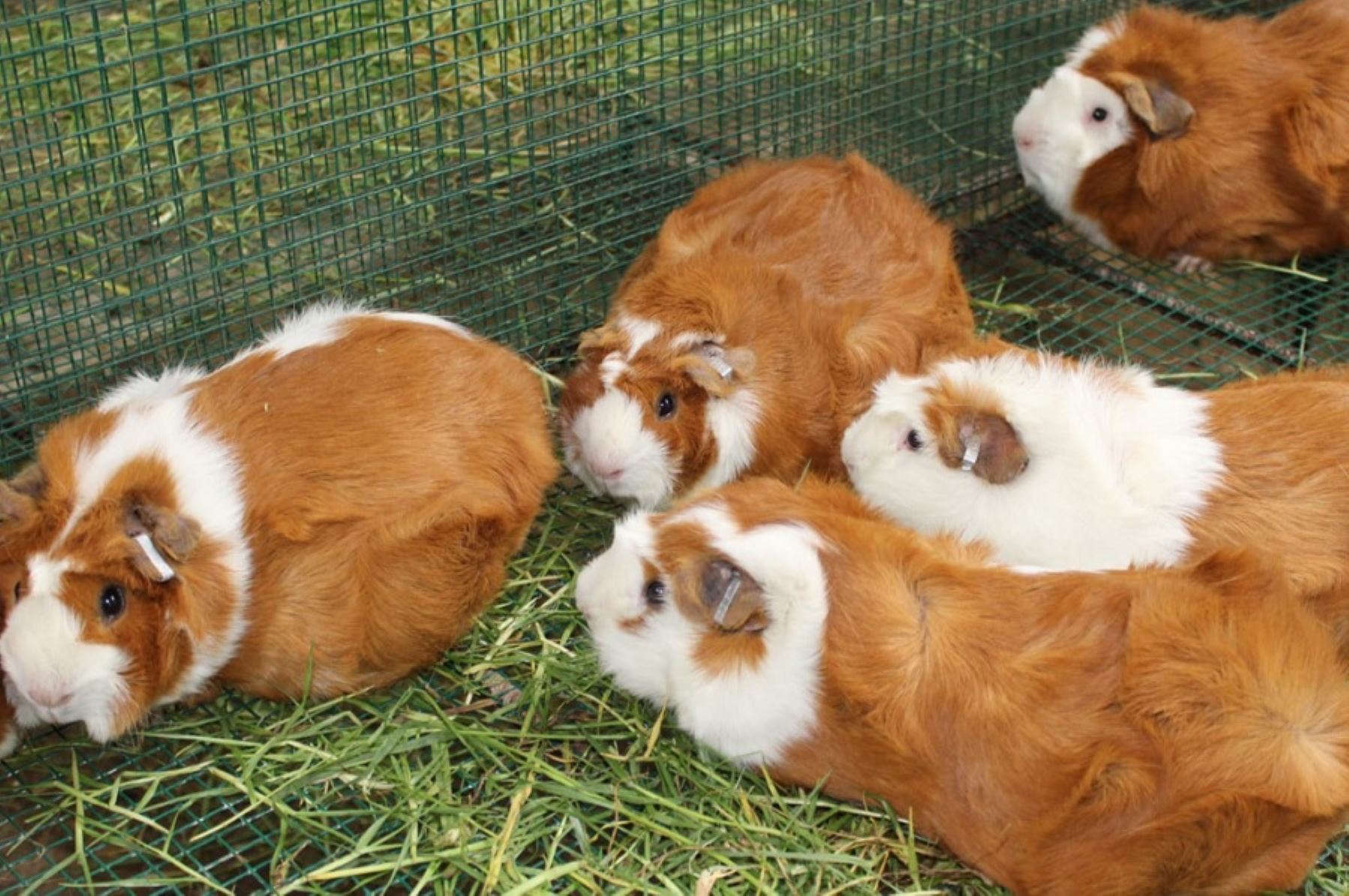
The guinea pig is a gregarious and docile animal. Their social nature means they live better in pairs or groups, as loneliness can cause stress and health problems.
They emit a variety of vocalizations to communicate, from the "whistle," which often indicates they are hungry or seeking attention, to the "rumble" or purr, which they can use to express satisfaction.
Common behaviors:
- Social: They prefer to live in groups.
- Vocalizations: Whistles, purrs.
- Adaptable: They get used to human interaction.
- Activity: They are crepuscular, more active at dawn and dusk.
Health and Veterinary Care
Guinea pigs, like any pet, need specialized veterinary care. It's crucial to find an exotic animal veterinarian before any emergency arises, as not all veterinarians have experience with this species.
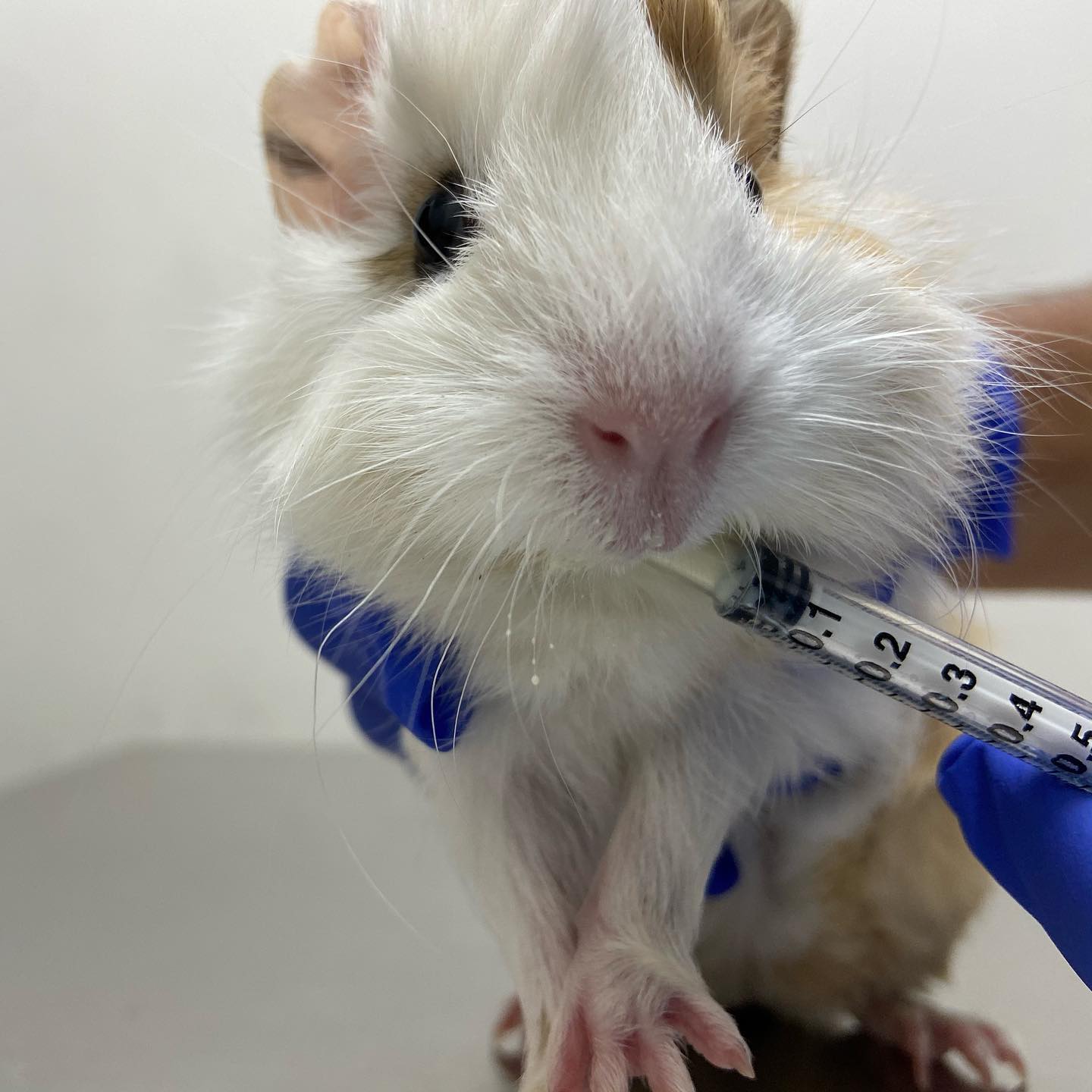
Disease warning signs:
- Weight loss or lack of appetite.
- Sneezing, difficulty breathing or nasal discharge.
- Hair loss or excessive itching.
- Difficulty walking or changes in mobility.
- Diarrhea or constipation.
Keeping regular track of their weight is an excellent way to detect health problems early. Additionally, a clean environment, a balanced diet and a constant source of vitamin C prevent many of the most common diseases in guinea pigs.
Key Tips for Guinea Pig Care
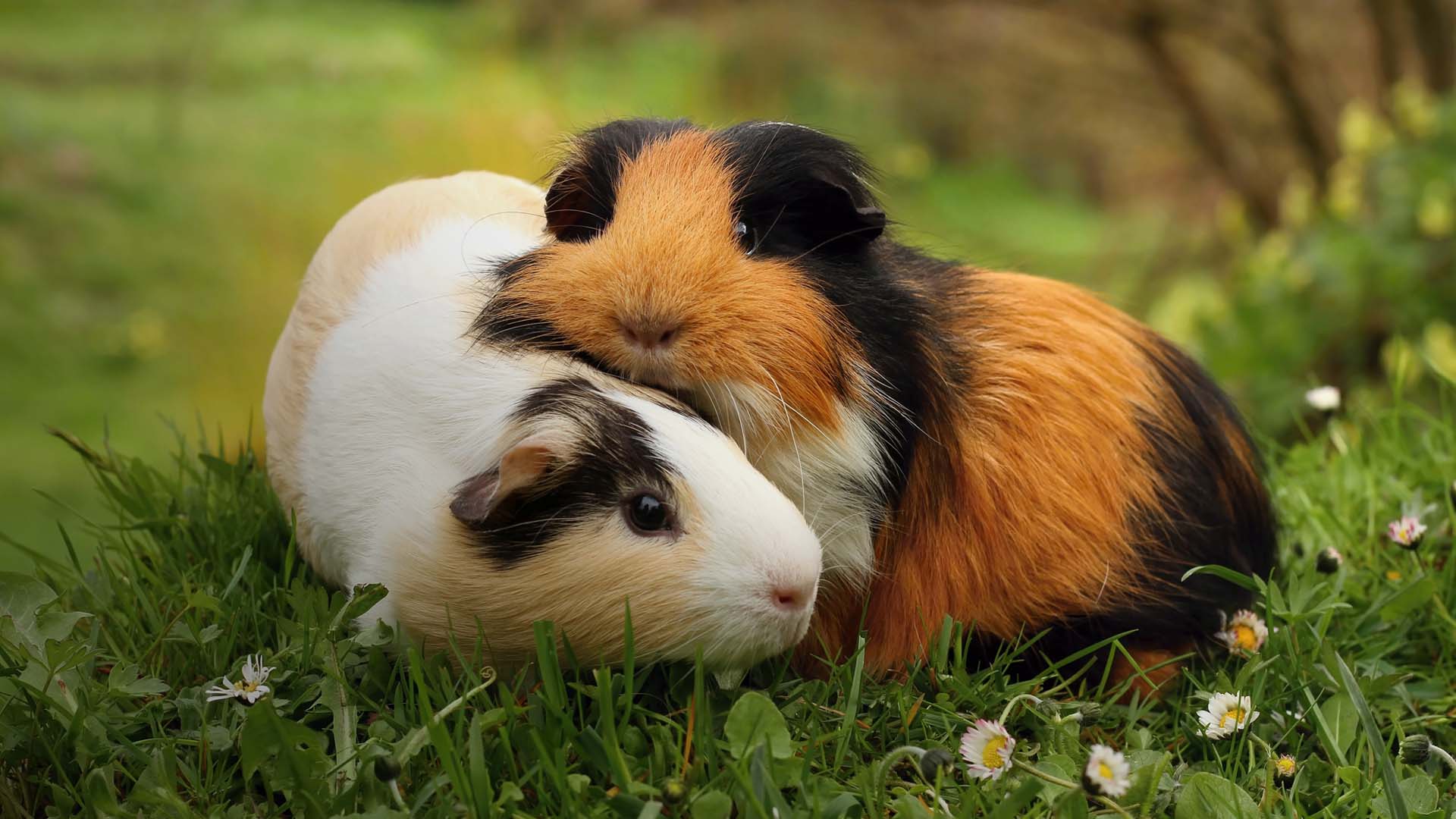
Guinea pigs are social and adaptable animals, but they require specific care to live healthy and happy lives.
Keep their cage clean and dry, removing waste daily and disinfecting the space weekly.
Provide unlimited hay, fresh vegetables and sources of vitamin C. Avoid toxic foods like onion or bread.
Use a clean water bottle and check that water is available every day.
Do this every 3-4 weeks to prevent them from getting caught or causing pain when walking.
They are social animals. They live better with another guinea pig of the same sex or neutered.
The ideal companion for the home
Guinea pigs combine their social nature with an adaptability that makes them excellent pets. Their care is not complicated, but requires attention and affection so they can develop their full potential.
A happy guinea pig means a home full of joy and purrs.