


Rail Network to Machu Picchu
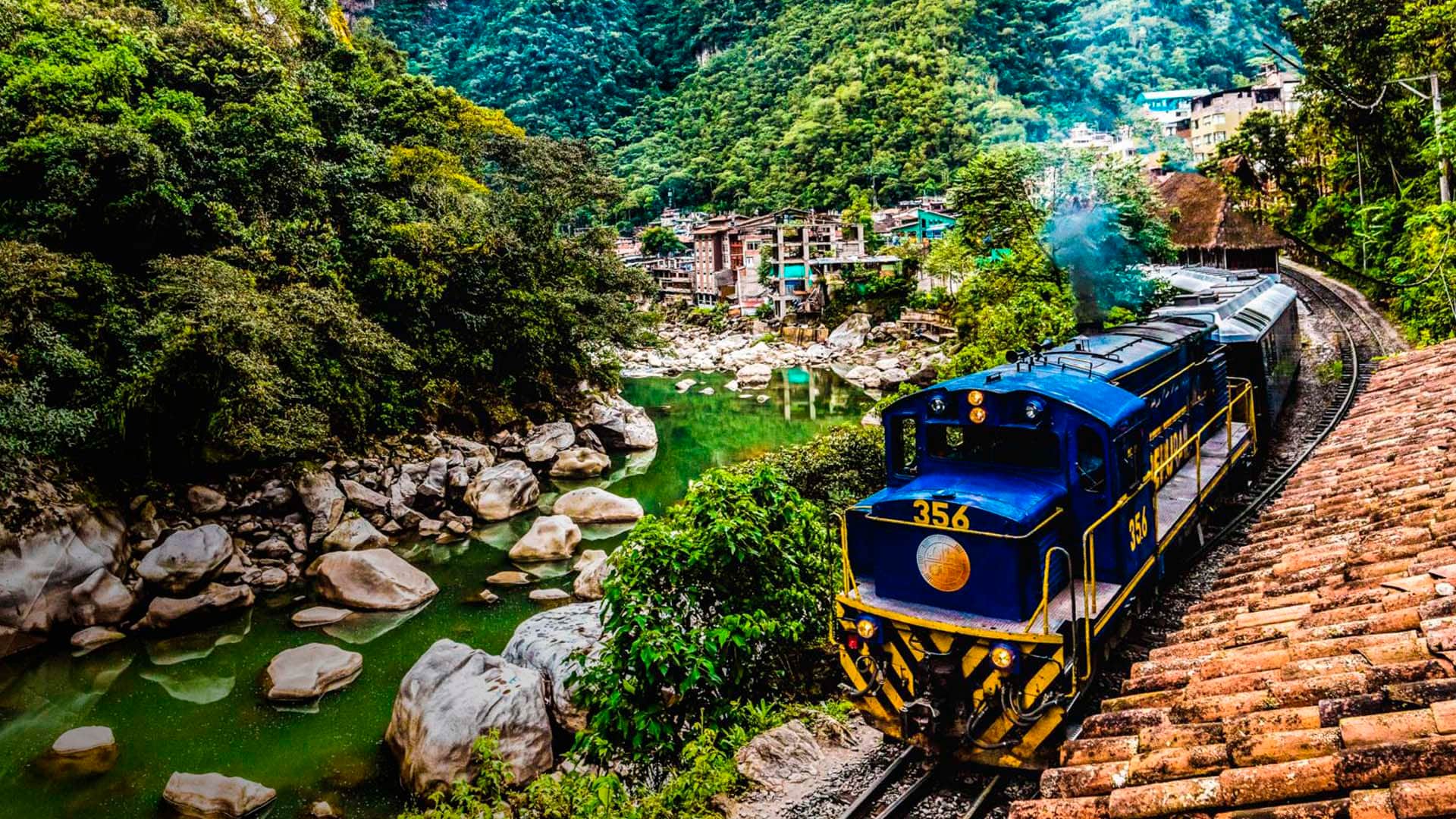
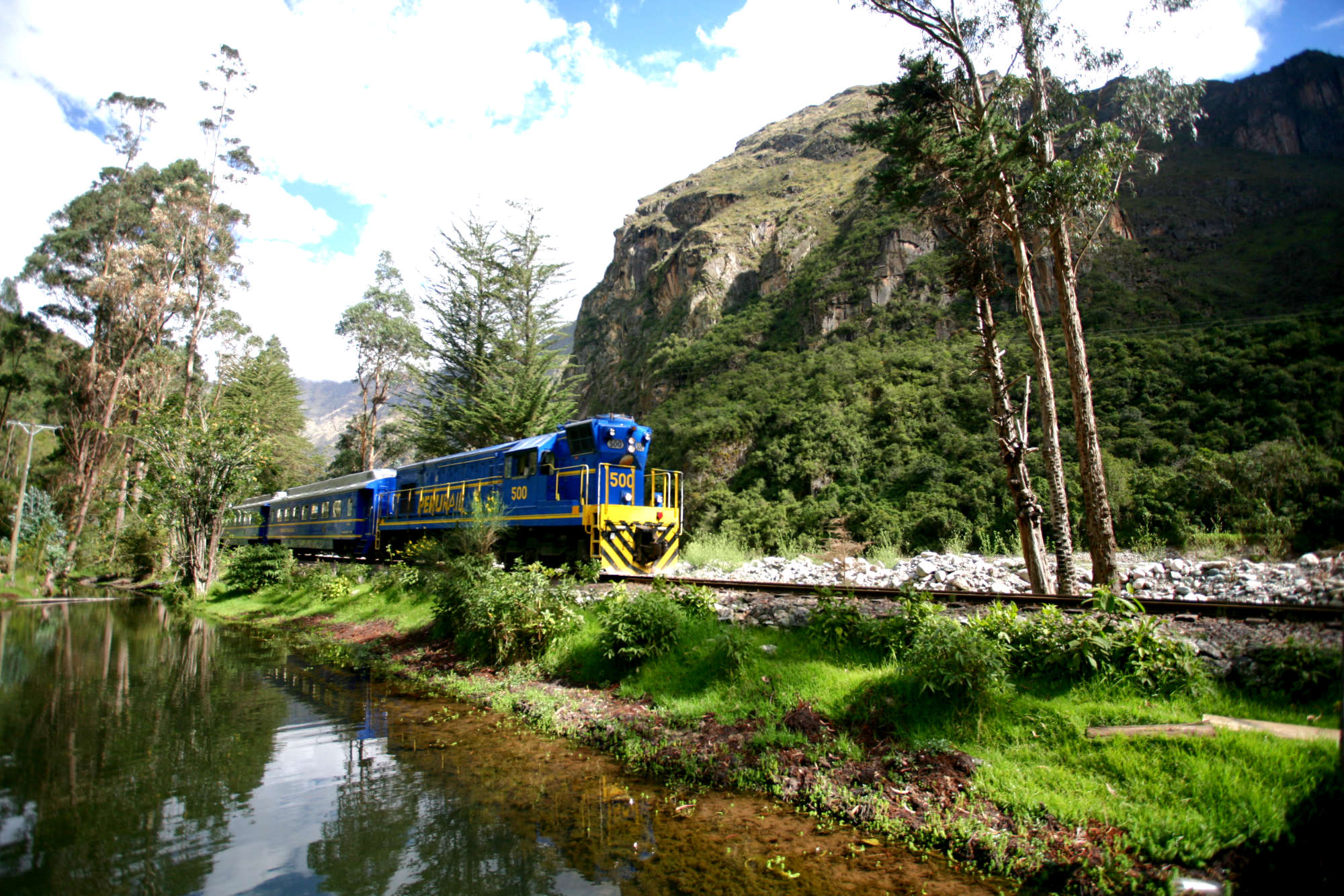
The railway network to Machu Picchu has multiple departure stations in the Cusco region, each with unique features that adapt to different needs and seasons. All routes converge at the final station of Aguas Calientes (Machu Picchu Pueblo), at the foot of the majestic Inca citadel.
🎯 Key Information for Your Trip
• Single destination: All routes end at Aguas Calientes
• Important seasons: May–December (dry) vs January–April (rainy)
• Main operators: PeruRail and Inca Rail
• Bookings: Recommended in advance, especially during high season
Departure Stations
San Pedro Station
Dry SeasonFeatures: The most central station in Cusco, ideal for tourists staying in the city. Offers basic services such as ticket office and waiting room. During the rainy season (January–April) it remains closed for safety.
Wanchaq Station
BimodalFeatures: Operates as the terminal of the bimodal service all year round. In the dry season, it offers direct trains, while in the rainy season it operates buses to Ollantaytambo to connect with the train.
Poroy Station
Dry SeasonFeatures: A station with better facilities outside Cusco: ticket office, waiting room, café, and restrooms. Operates Expedition, Vistadome, and the luxurious Hiram Bingham. Being outside the city avoids the slow initial urban stretch.
Ollantaytambo Station
All YearFeatures: The most important and busiest station. Large infrastructure with multiple ticket offices, cafés, and services. Operated by both PeruRail and Inca Rail. It is the only station that does not close during the rainy season, making it the most reliable option.
Urubamba Station
Dry SeasonFeatures: Small station located near the Tambo del Inka hotel complex. Limited services with few trains available. Mainly useful for hotel guests in Urubamba with specific itineraries.
Arrival Station
Machu Picchu Pueblo (Aguas Calientes)
Final DestinationImportant: All trains, regardless of their origin station, arrive here. It is the only railway access point to Machu Picchu. The station has modern infrastructure and essential services for thousands of daily visitors.
Operating Seasons
Period of highest tourist influx with dry and sunny weather. All stations operate normally with full schedules.
Period of heavy rains with possible disruptions. Operations focus on Ollantaytambo for safety.
Station Comparison Table
| Station | Location | Travel Time | Operation | Frequency |
|---|---|---|---|---|
| San Pedro | Cusco historic center (0 km) | ~4 hours | Dry season only | 1–2 trains/day |
| Wanchaq | Cusco city (1.6 km from center) | ~4 hours (direct) | Bimodal all year | 1–3 trains + buses |
| Poroy | Outskirts of Cusco (11 km, 25–30 min) | ~3.5 hours | Dry season only | ~5 trains/day |
| Ollantaytambo | Sacred Valley (61 km, ~1h30) | ~1h 40min | All year | 20–30+ trains/day |
| Urubamba | Sacred Valley (57 km, ~1h15) | ~2h 30min | Dry season only | 1–2 trains/day |
Practical Recommendations
🌧️ If Traveling in Rainy Season (January – April)
Plan to depart from Ollantaytambo. Consider the bimodal service (bus + train) or stay directly in the Sacred Valley to avoid early transfers from Cusco.
☀️ If Traveling in Dry Season (May – December)
You have multiple options. If staying in Cusco, San Pedro or Wanchaq offer direct convenience. For more schedule flexibility, Ollantaytambo remains the best option.
⚠️ Important Considerations
• Luggage: Restricted to one small suitcase or backpack per passenger
• Arrival: 30 minutes early in high season
• Bookings: Essential, especially June–August
• Documents: Passport or ID required to board
Available Train Services
Your Adventure to Machu Picchu Begins Here
Each station offers a unique experience on your way to one of the wonders of the world. Whether you choose the urban convenience of Cusco stations or the versatility of the Sacred Valley, your train journey will be an unforgettable part of your adventure.
Plan ahead, choose the station that best suits your itinerary, and get ready to live a unique railway experience in the Peruvian Andes.