


What is Manu National Park?
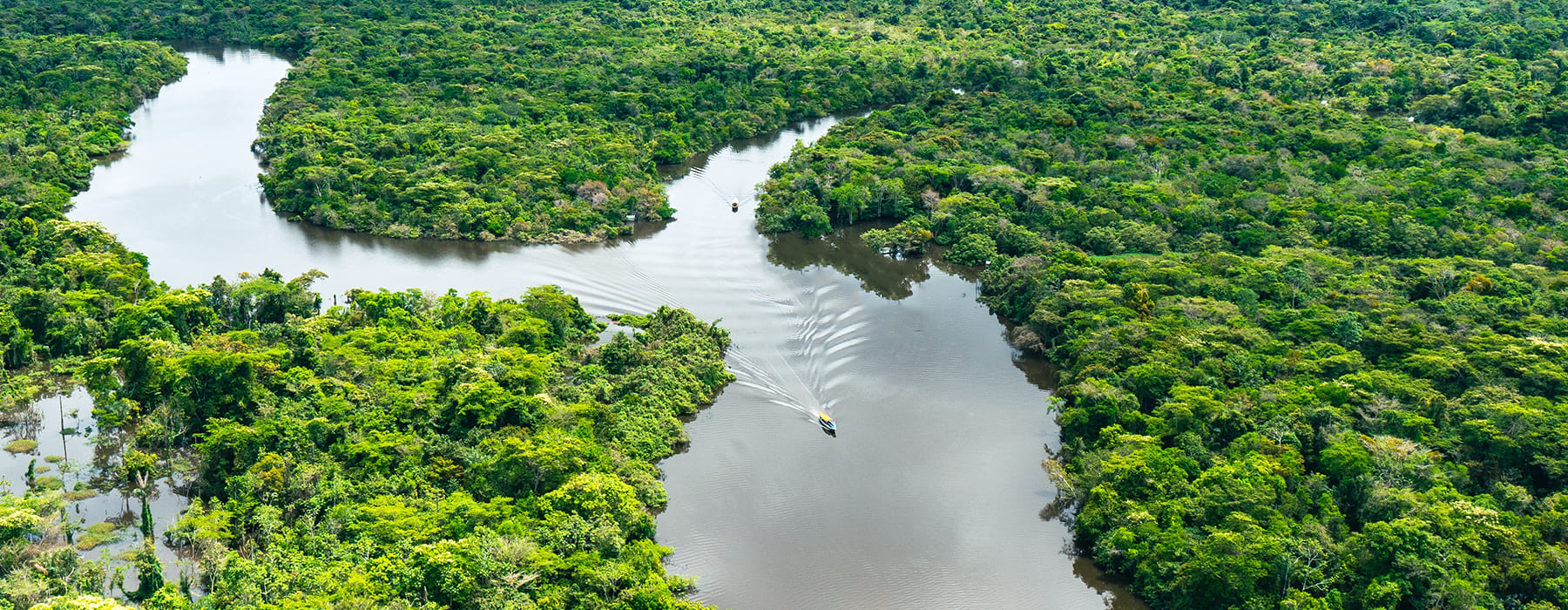
Manu National Park is an immense natural refuge spanning more than 1.9 million hectares in the Peruvian Amazon, widely considered the most biologically diverse area on the planet. This natural paradise lies between the Andes and the Amazon, creating a unique gradient of ecosystems.
Located in southeastern Peru on the eastern slopes of the Andes, it encompasses parts of the provinces of Paucartambo (Cusco) and Madre de Dios. Its diverse territory—ranging from 150 to 4,100 meters above sea level—fosters the existence of multiple ecosystems found nowhere else on Earth.
🌟 International Recognitions:
• 1973: Declared a National Park of Peru
• 1977: Recognized as a UNESCO Biosphere Reserve
• 1987: UNESCO World Natural Heritage Site
History and Ancestral Culture
🗿 The Pusharo: First Inhabitants
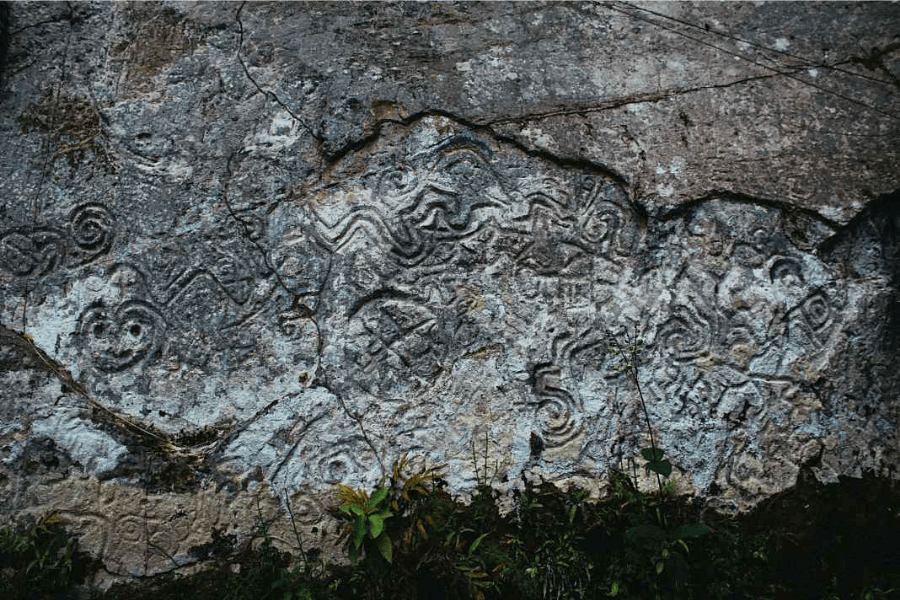
The Pusharo, ancient pre-Inca peoples, left their indelible mark in Manu through petroglyphs carved in stone on the Xinkiori cliff near the Qeros River. These archaeological testimonies reveal a millennia-old human presence in the region.
👑 Inca Period
During the reigns of Pachacútec and Túpac Yupanqui, the Incas extended their domain into Manu and the Amazon, conquering territories of the Antisuyo. They established trade routes where exotic feathers, gold, and coca leaves were exchanged.
🌟 Matsigenka Origin Myths
According to the Kipatla myth of the Matsigenka people:
• Tasorintsi: Created the Matsigenka people and everything that works well in nature
• Kentivakori: Originated what causes discomfort (insects, poor soils, snakes)
• Kashiri (the moon): Taught cassava cultivation, use of tobacco, and preparation of fishing poisons
🕰️ More Recent Times
Park Division
🌱 By Ecosystems
🏘️ By Cultural Zoning
| Zone | Characteristics |
|---|---|
| Reserved Zone | Limited access; over 800 bird species |
| Cultural Zone | Home to indigenous communities (Matsigenkas, Amahuacas, Harakbut, Yine, Mashco-Piro) |
| Special Use Zone | Educational, tourism, and research centers; eco-lodges |
Stunning Biodiversity
🌺 Flora
| Plant Type | Number of Species |
|---|---|
| Total plant species | 2,000 to 5,000 |
| Tree species | 1,650 |
| Orchid species | 750 |
🐆 Fauna
| Animal Group | Number of Species |
|---|---|
| Mammals | Over 228 |
| Birds | 1,030 |
| Butterflies | 1,307 |
| Reptiles | 132 |
| Amphibians | 158 |
| Fish | Wide variety of freshwater species |
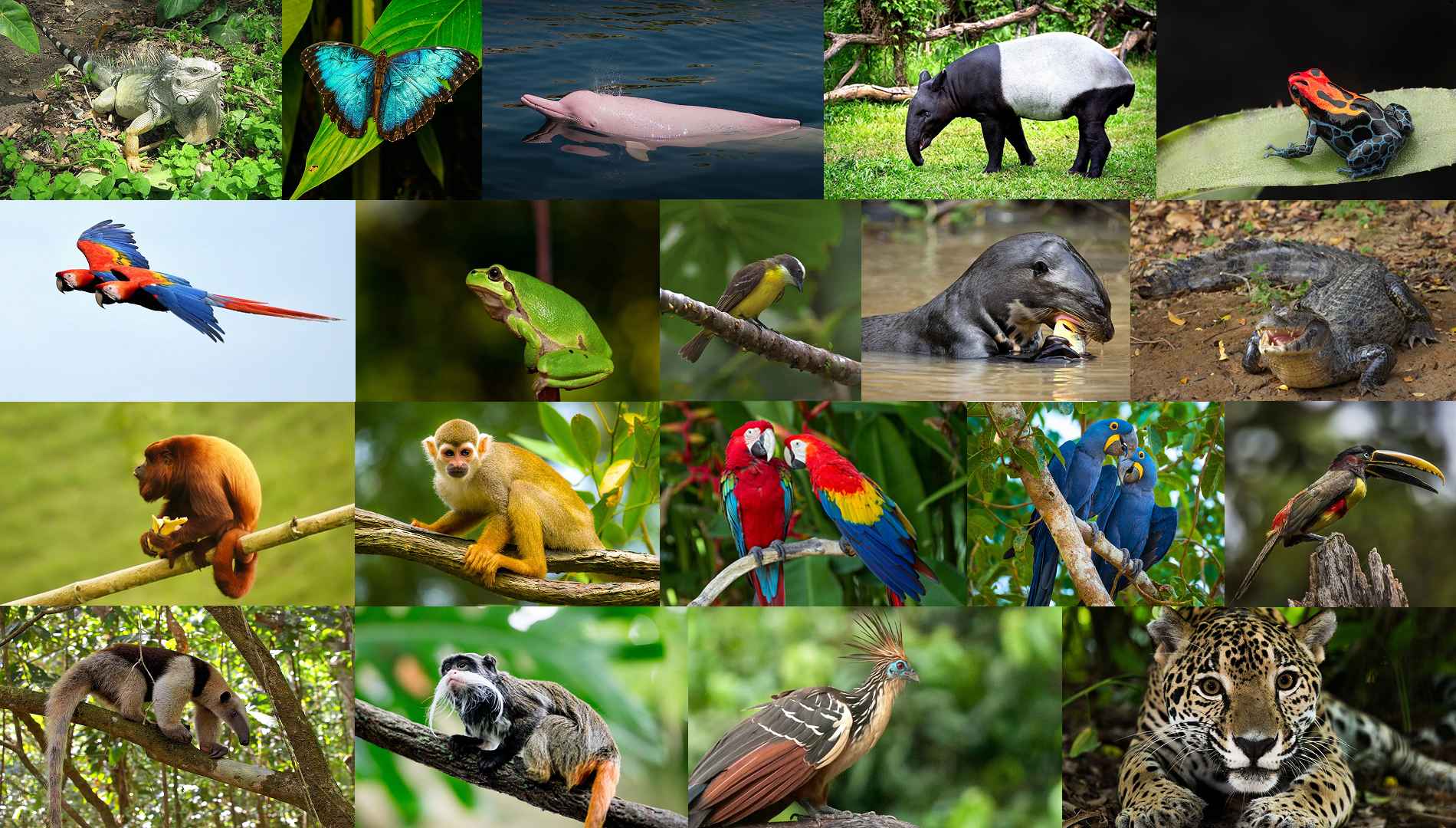
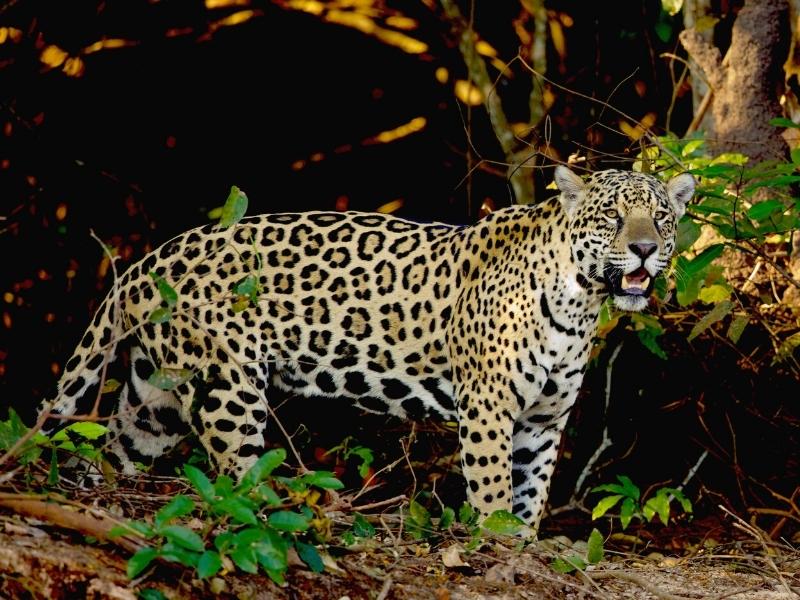
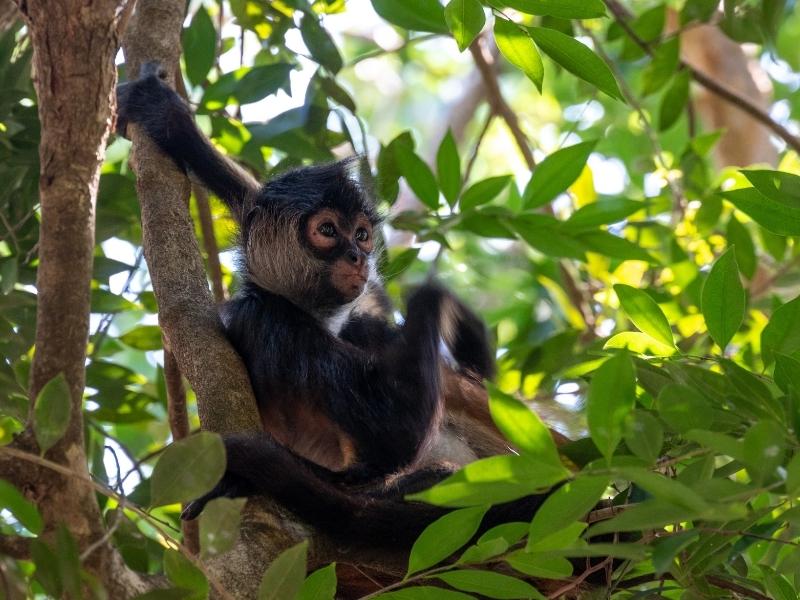
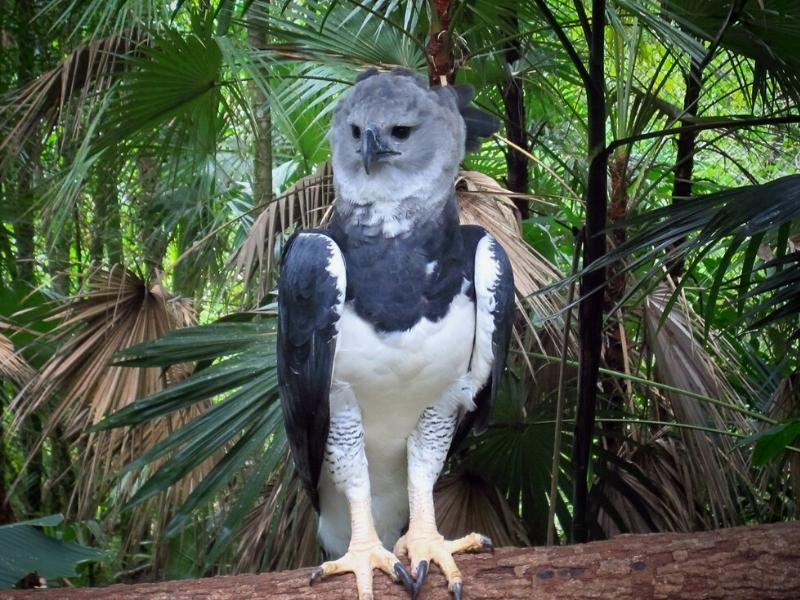
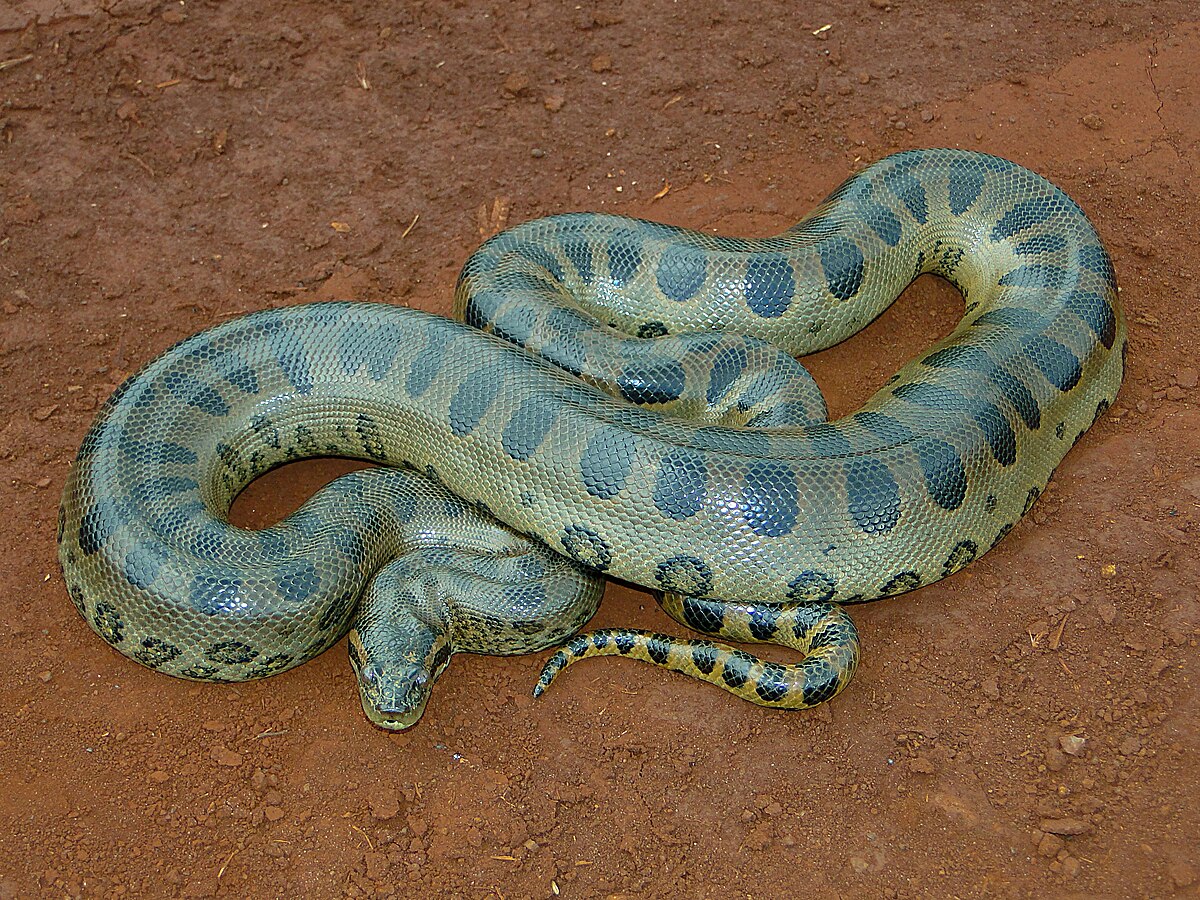
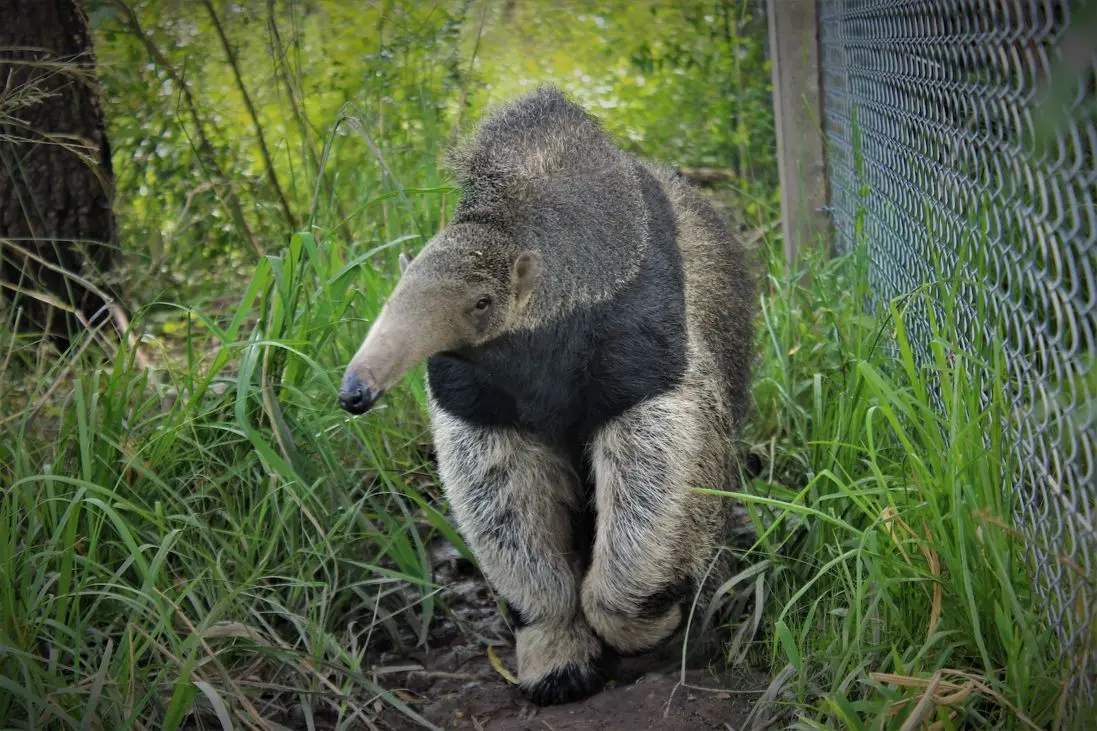
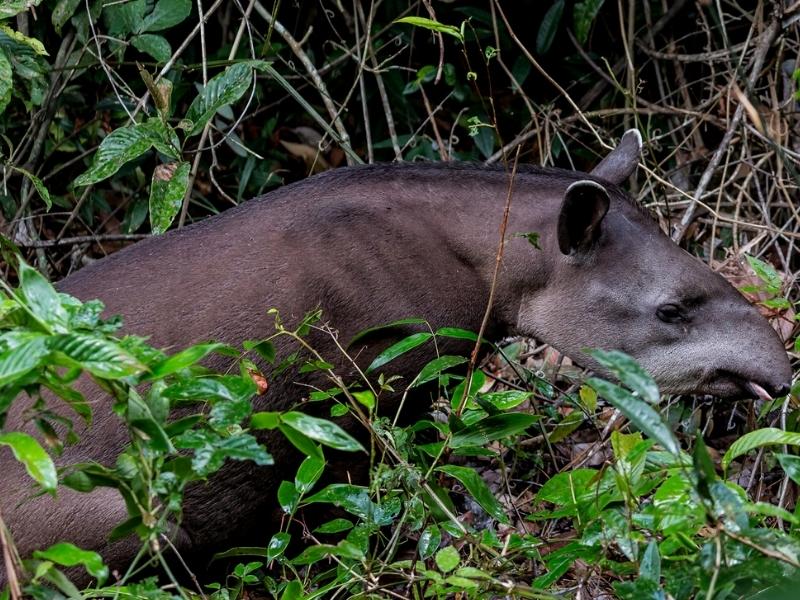
🎯 Wildlife Most Visitors Hope to See
How to Get to Manu
🛣️ From Cusco
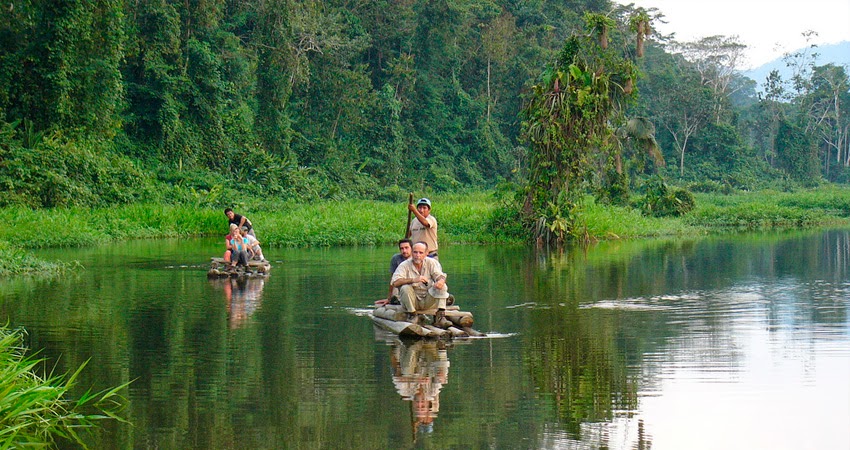
By road: 280 km to Atalaya (≈12 hours) + ≈12 hours by river boat to Boca Manu
Self-drive route: Cusco → San Jerónimo → Paucartambo → Atalaya
By air: Helicopter from Alejandro Velasco Astete Airport to Boca Manu
🚗 From Puerto Maldonado
Entry Fees and Tickets
💳 Admission Fees
| Visitor Type | 1 day | 2–3 days | 4–30 days |
|---|---|---|---|
| Foreigners | S/ 11 (Acjanaco) – S/ 30 | S/ 60 | S/ 150 |
| Peruvian Nationals (Adults) | S/ 11–15 | S/ 30 | S/ 75 |
| Peruvian Nationals (Minors) | S/ 5–8 | S/ 15 | S/ 35 |
| Local Residents (Adults) | S/ 5–8 | S/ 15 | S/ 35 |
| Local Residents (Minors) | S/ 3–8 | S/ 15 | S/ 35 |
🎉 Free Entry Days
📅 Special no-cost dates:
• May 29 (Park Anniversary)
• June 24 (Cusco Day)
• September 27 (Tourism Day)
• October 17 (Protected Natural Areas Day)
• December 26 (Madre de Dios Anniversary)
• Last Sunday of every month
🎫 Where to Buy
Things to Do in Manu
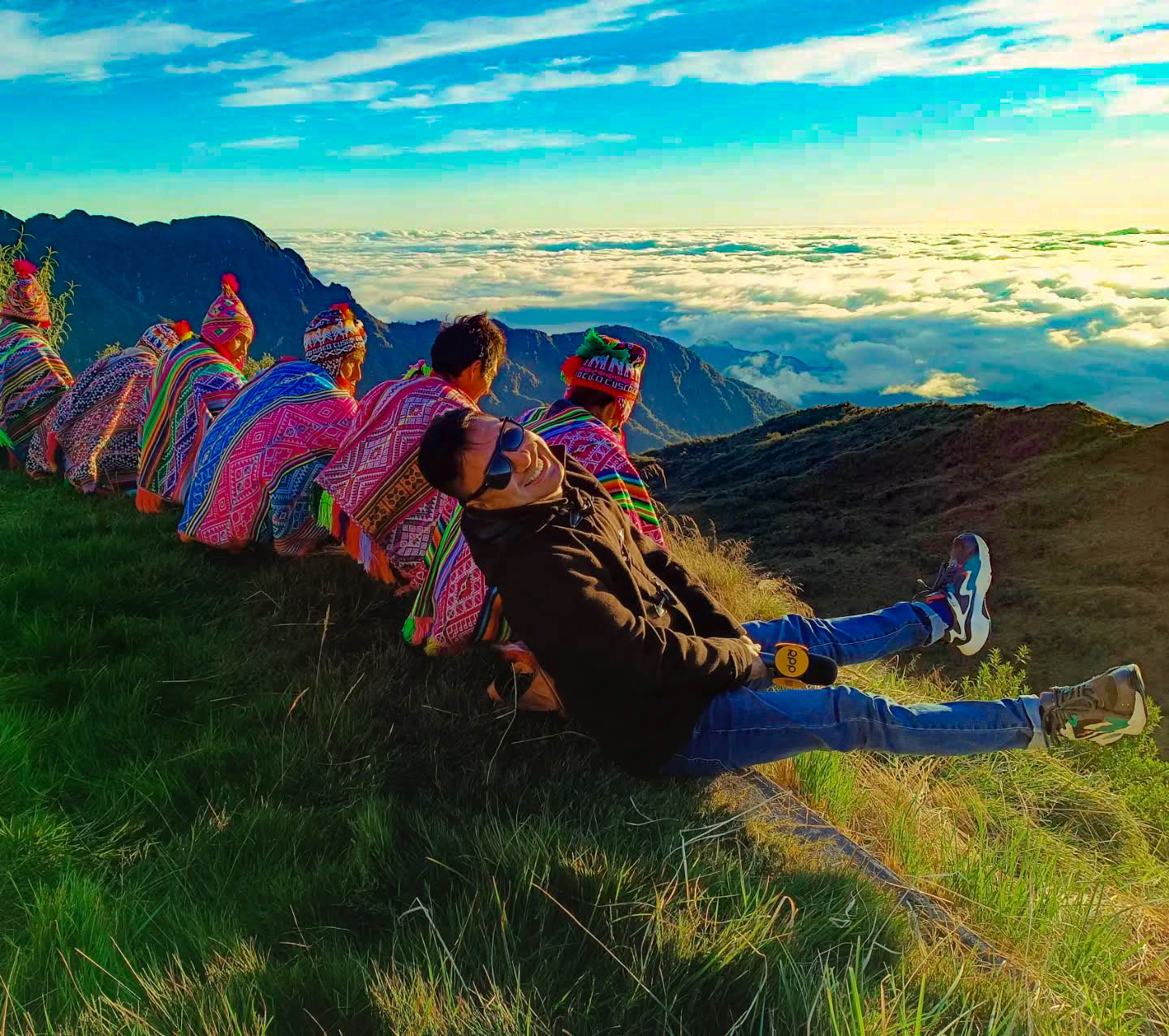
🌄 Viewpoints and Landscapes
🏛️ Archaeological Sites
🗿 Pusharo Petroglyphs: Ancient engravings on the rocks of the Palotoa River—testimony to pre-Inca civilizations that inhabited the region
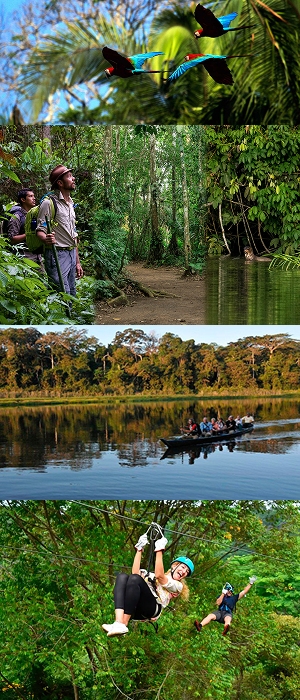
🦜 Nature Activities
🏘️ Cultural Experiences
Practical Information for Your Visit
🌤️ Best Time to Visit
🏆 May to October (dry season) — RECOMMENDED:
• Less rain and better accessibility
• Better trail conditions
• Lower river levels—ideal for navigation
• Temperatures: highs 35°C, lows 25°C
🌡️ Climate by Zone
| Zone | Climate | Characteristics |
|---|---|---|
| Highlands (3,000+ m) | Frigid | Down to 5°C; very cold nights |
| Mid-Elevation Areas | Humid | Persistent fog; 15–20°C |
| Lowland Rainforest | Hot | Up to 30°C; high humidity |
| Rainy Season | Tropical | December to March; limited access |
🎒 What to Bring — Full List
📋 Documents & Gear
👕 Clothing & Protection
💊 Health & Hygiene
⚠️ Safety Recommendations
🏥 Before traveling:
• Get necessary vaccines (yellow fever, hepatitis)
• Consult a physician about antimalarial prophylaxis
🧭 During the trip:
• Hire certified local guides (mandatory)
• Use mosquito nets while sleeping
• Keep doors and windows closed at night
• Apply repellent frequently at dawn and dusk
📜 Park Rules
🚫 Important prohibitions:
• Do not feed wildlife
• Do not collect plants, flowers, or fruits
• Respect park ranger restrictions
• Stay on marked trails only
• Keep trails clean—leave no trash
Lodging and Gastronomy
🛏️ Places to Stay
🍽️ Local Cuisine
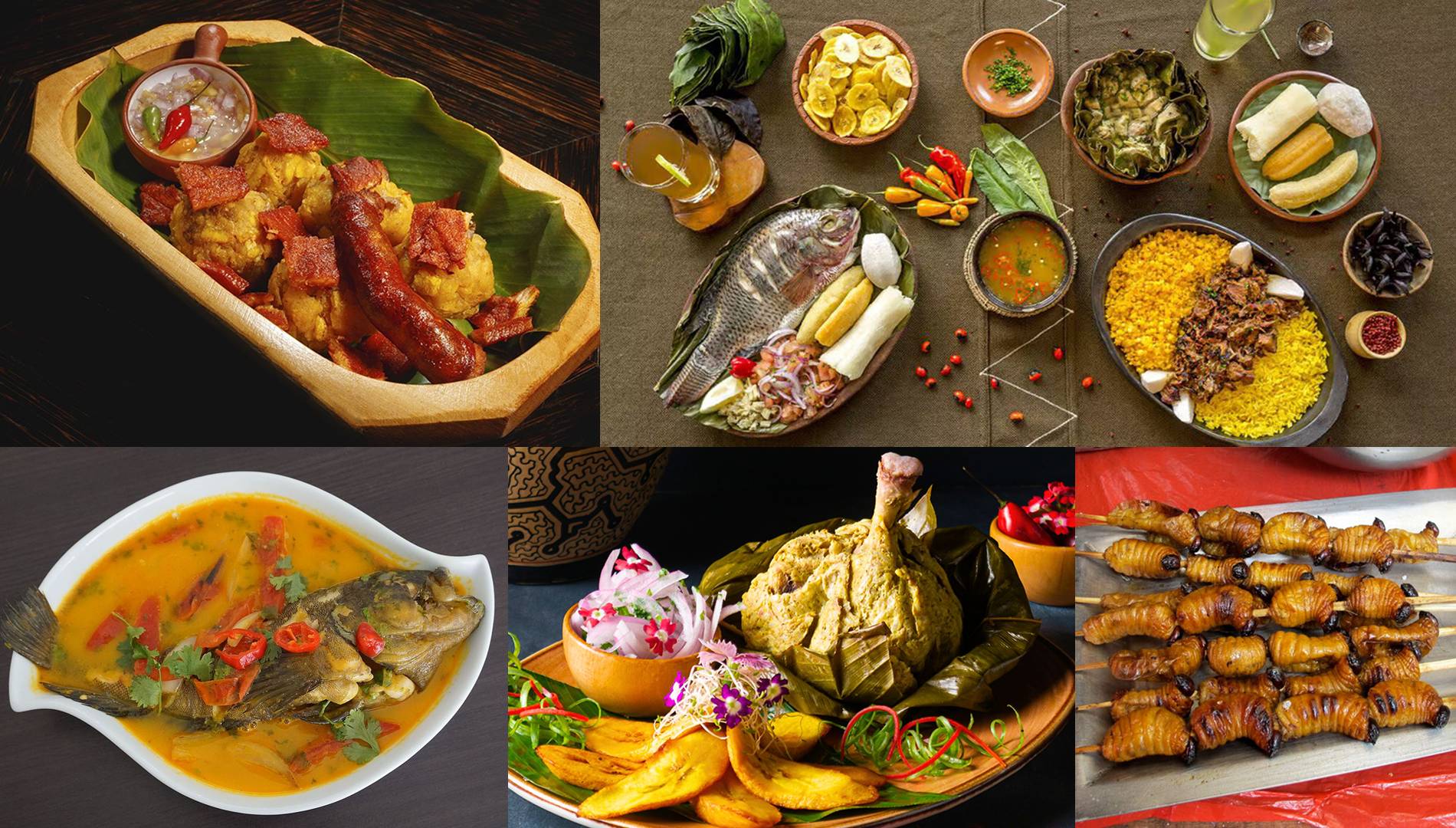
🍲 Kosñipaco — Signature Dish:
Traditional in the district of Kosñipata, culinary heritage of the Wachiperi and Matsigenka peoples.
Ingredients: Paco fish, patacones (fried plantains), cocona fruit, sacha cilantro, and “ojo de pescado” chili.
An explosion of Amazonian flavors connecting you with the region’s ancestral tradition.
Nearby Natural Areas
Manu National Park is part of a unique ecological corridor connected to other internationally important protected areas:
Manu: Where Nature Remains Untouched
Manu National Park is not just a travel destination: it is a sanctuary where life manifests in its purest and most diverse form. Every trail connects you with the essence of the Amazon; every wildlife encounter reminds you of the importance of conservation; every cultural experience teaches the value of living in harmony with nature.
Dare to explore Manu—a place where nature remains intact and ancestral cultures proudly share their way of life. Every path brings you closer to unique landscapes, ancient stories, and a diversity that amazes at every step.
🌟 "Travel with us and live an authentic experience that will stay with you forever. In Manu, you don’t just observe nature—you live it, breathe it, and feel it beating in every corner of the Amazon’s heart."