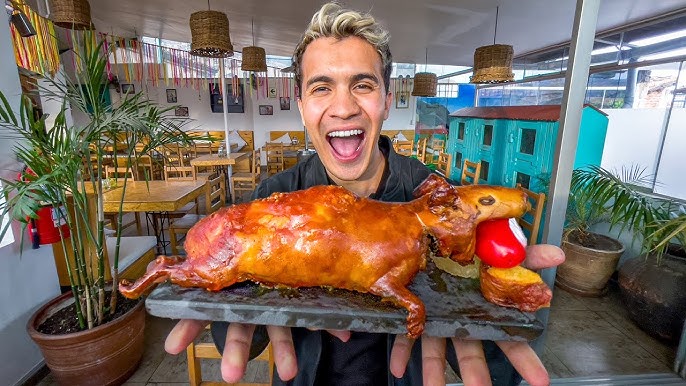


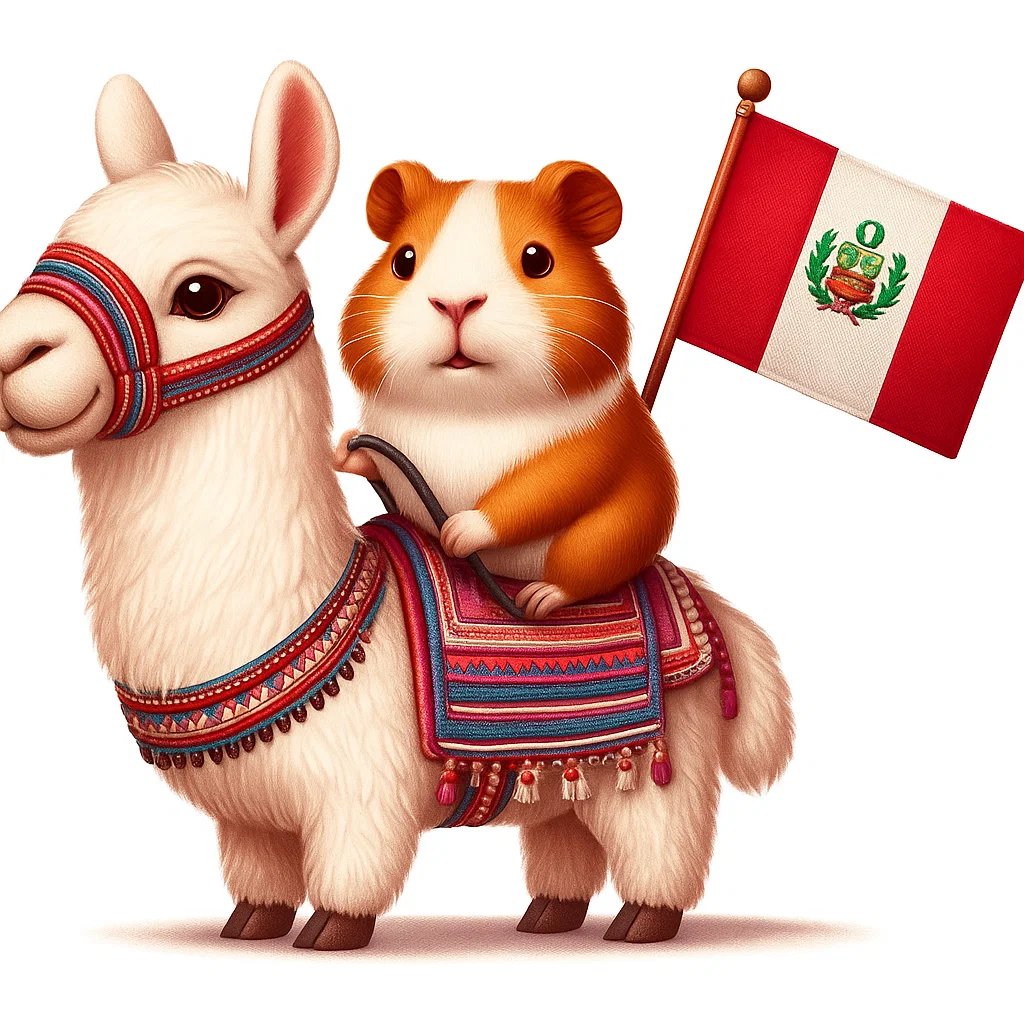
Guinea pig, known in other countries as guinea pig or cavie, is not just an exotic pet. In Peru, guinea pig is an ancestral symbol, a traditional food source, and an emblematic dish that has been kept alive through generations. Its importance goes far beyond taste: it represents identity, history, and cultural pride.
A millenary legacy
Guinea pig consumption in the Peruvian Andes dates back more than 5,000 years, long before the arrival of the Spanish. Cultures like the Nazca, Moche, and Inca already domesticated this small rodent not only as food, but also in religious rituals and offerings to the gods.
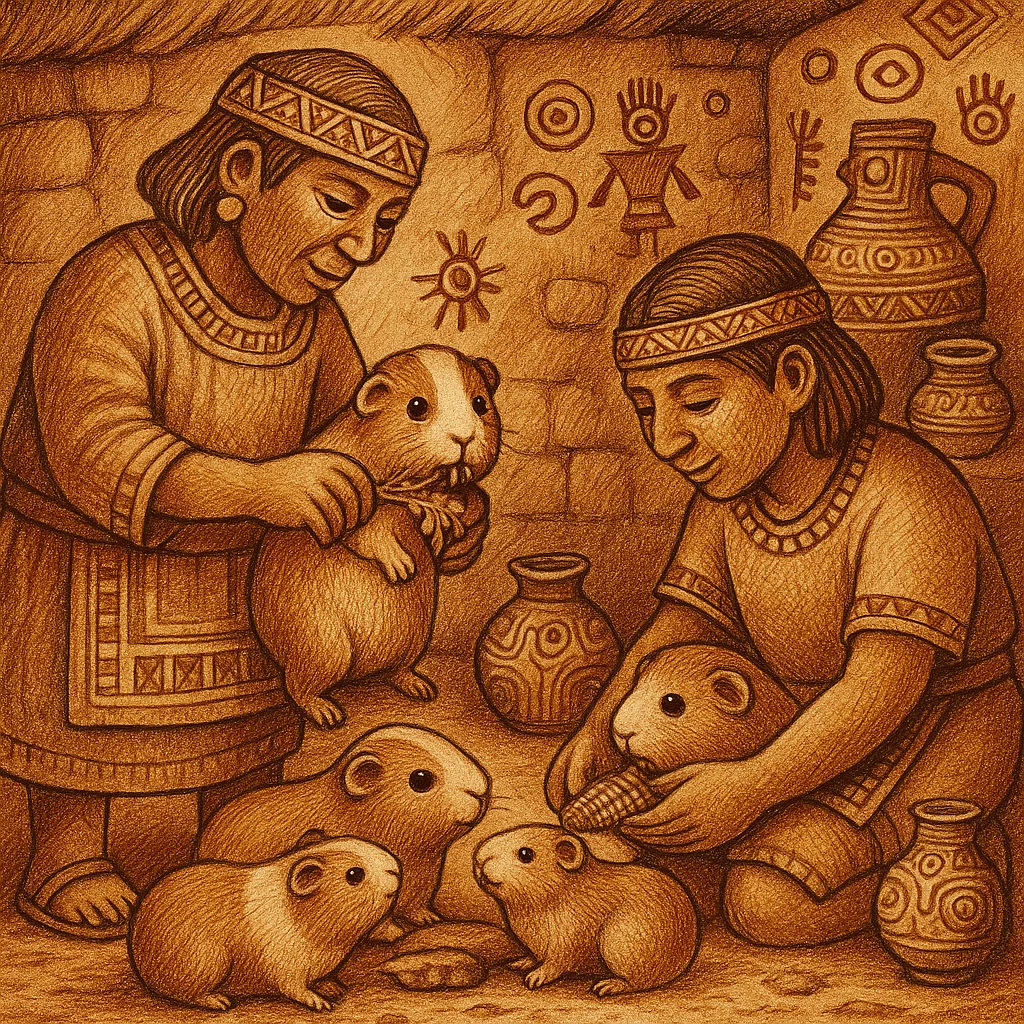
Ancient Peruvians raised them at home as part of the family environment, and their meat was considered a special delicacy, reserved for ceremonies, festivities, and important events. To this day, it continues to be a central dish at patron saint festivals, family celebrations, and community gatherings.
Nutritional value and preparations
Guinea pig is appreciated not only for its history, but also for its nutritional properties:
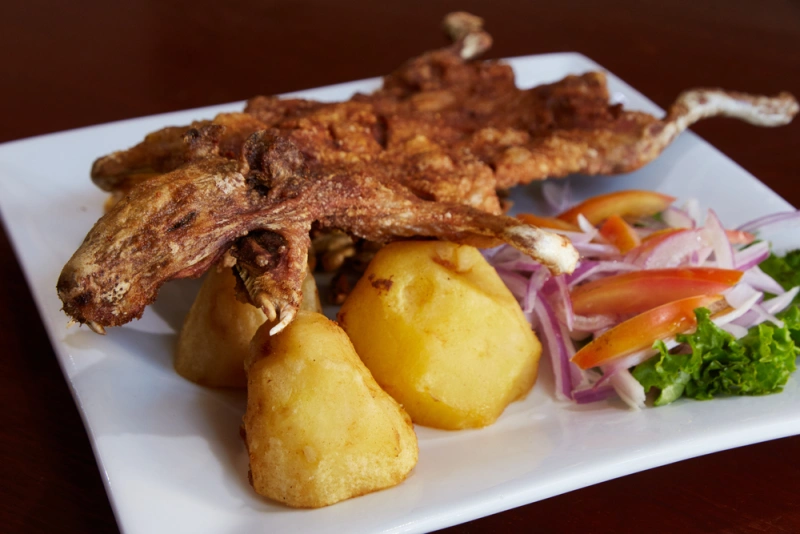
Pressed Guinea Pig
📍 Fried under a stone to achieve crispy texture, typical of the southern Andes.
- High in protein (21%)
- Low in fat (7%)
- Rich in iron
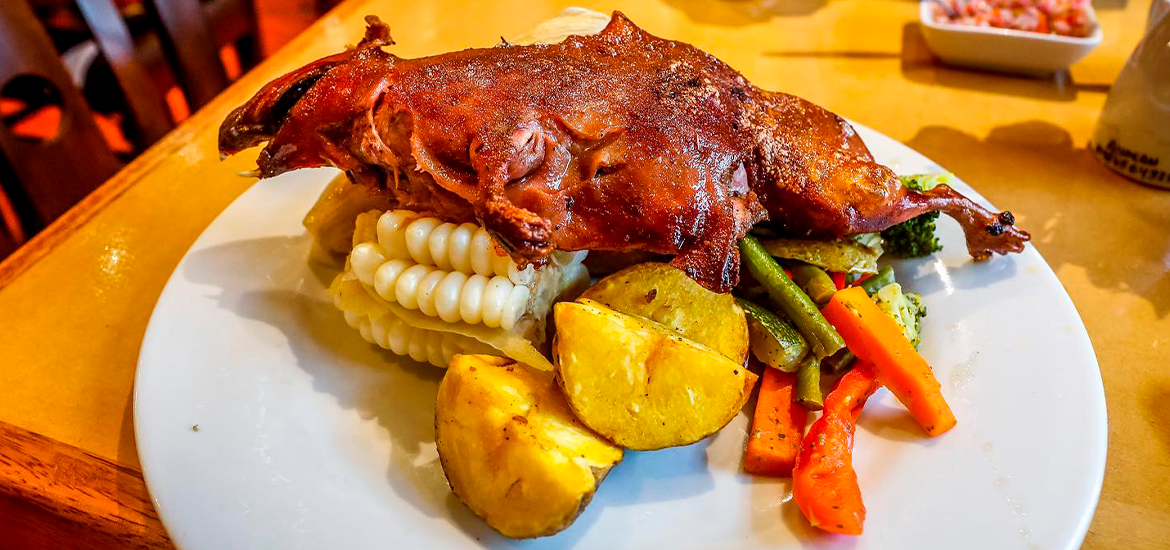
Roasted Guinea Pig
📍 Seasoned with aji panca, garlic and cumin, golden to perfection.
- Contains Omega-3
- 93% digestibility
- Low in cholesterol
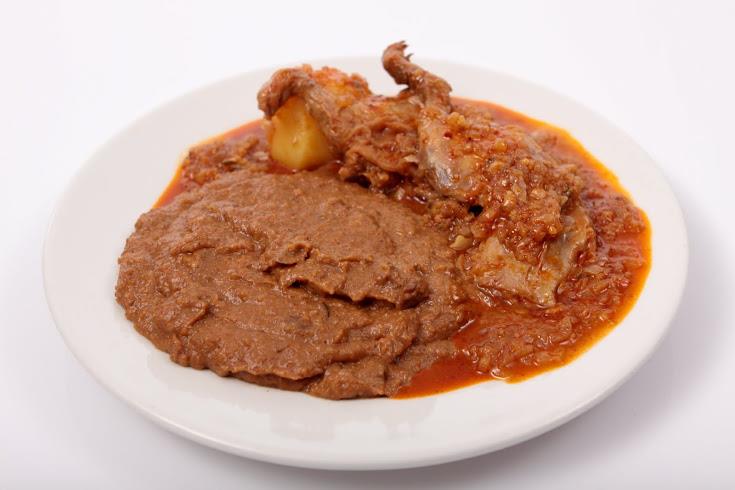
Guinea Pig in Pepián
📍 Cooked in thick peanut or chili sauce, with aromatic herbs.
- Source of zinc
- Essential fatty acids
- 4x more efficient than beef
More than a dish: a cultural emblem
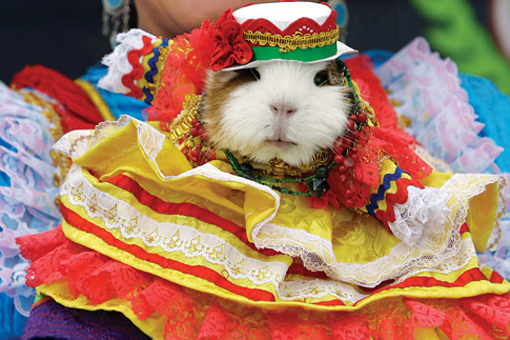
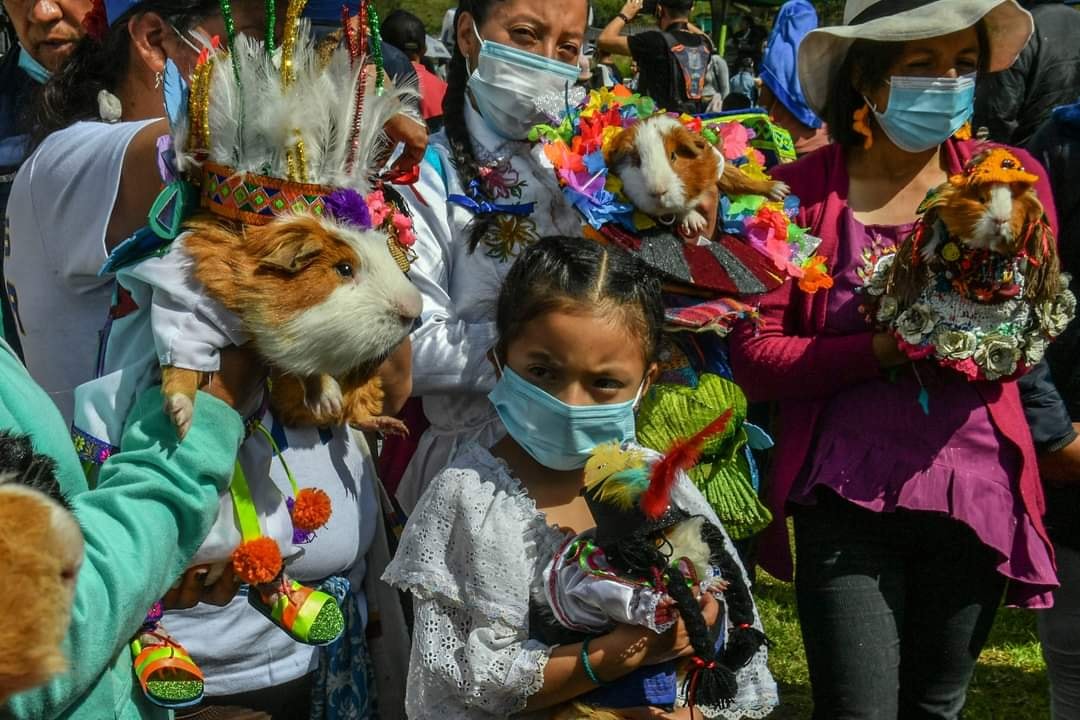
For Peruvians, guinea pig is not just any food. In many rural communities it continues to be raised at home, fed with vegetable scraps and cared for with dedication. In addition, there are gastronomic fairs and festivals dedicated exclusively to guinea pig, such as the Guinea Pig Festival in Huacho or Tipón, where recipe contests, costumed guinea pig contests are held, and local gastronomy is promoted.
An experience for the visitor
For tourists visiting Peru, trying guinea pig is a way to connect with the living culture of the Andes. Although its consumption may surprise many, for local communities it is a way to share their history, their customs and their way of seeing the world.
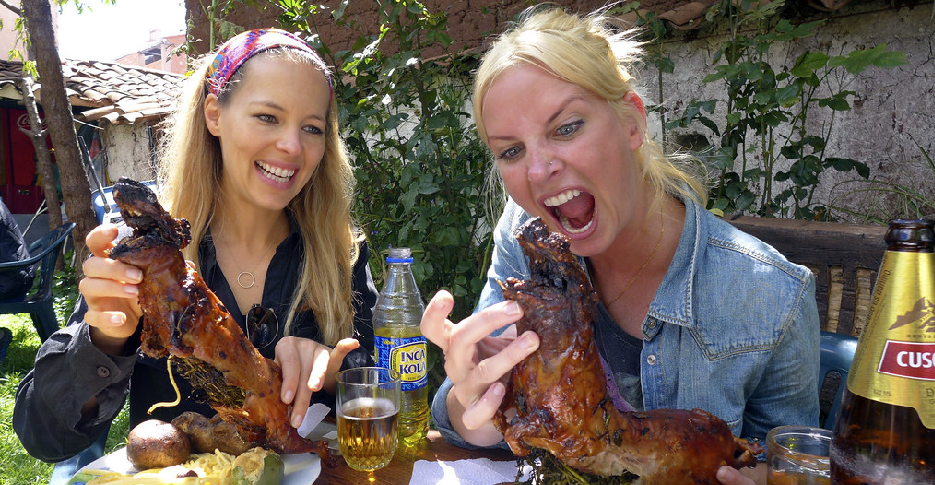
Authentic Experience
Connect with Andean culture through its traditional and ancestral flavors.
Gastronomic Festivals
Participate in celebrations that honor this millenary culinary tradition.
Conclusion
Guinea pig is more than a typical dish: it is an expression of Andean heritage and an example of how tradition remains present at the Peruvian table. Trying it is not only a culinary adventure, but a journey to the very roots of Peru.